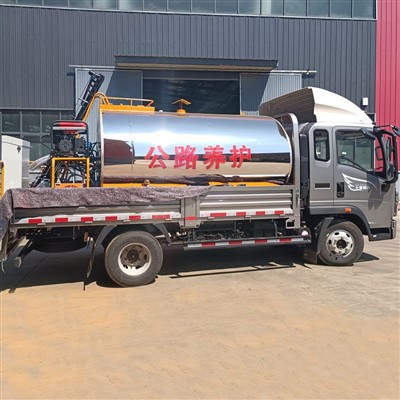
The mixing process in an asphalt rubber plant is a complex and crucial operation that combines asphalt and rubber to create a high - performance paving material. As a well - established asphalt rubber plant supplier, I am excited to delve into the details of this process to help you better understand how our equipment can contribute to your asphalt rubber production.
1. Raw Material Preparation
The first step in the mixing process is the preparation of raw materials, which mainly include asphalt and rubber. Asphalt is typically stored in large tanks at a specific temperature to maintain its fluidity. The temperature is carefully controlled depending on the type of asphalt used, usually ranging from 135°C to 175°C. This ensures that the asphalt can be easily pumped and mixed.
Rubber, on the other hand, comes in various forms, such as crumb rubber. Crumb rubber is produced by grinding waste tires into small particles. The size of the rubber particles is an important factor as it affects the performance of the final asphalt rubber product. Smaller particles generally provide better dispersion and interaction with the asphalt. Before entering the mixing system, the rubber is often pre - treated to remove any impurities and to improve its reactivity with the asphalt.
2. Introduction of Raw Materials into the Mixing Chamber
Once the raw materials are prepared, they are introduced into the mixing chamber of the asphalt rubber plant. Our Asphalt Rubber Blending Plant is designed with an efficient feeding system that accurately meters the amount of asphalt and rubber being added to the mixer. This precise metering is essential to ensure the correct ratio of asphalt to rubber, which directly impacts the quality and performance of the asphalt rubber.
The asphalt is pumped into the mixing chamber through a pipeline, while the rubber is conveyed using a screw conveyor or a pneumatic system. The feeding rate of both materials is adjusted according to the production requirements and the desired properties of the final product.
3. Mixing Mechanisms
Inside the mixing chamber, there are several mechanisms at work to ensure thorough mixing of the asphalt and rubber. One of the most common mixing mechanisms is the use of high - shear mixers. These mixers have rotating blades or impellers that generate high - speed shear forces. The high - shear forces break down the rubber particles and disperse them evenly throughout the asphalt matrix.
Another important aspect of the mixing process is the time factor. The mixing time is carefully controlled to allow sufficient interaction between the asphalt and rubber. During this time, the rubber particles swell and absorb some of the lighter components of the asphalt, resulting in a more homogeneous and stable mixture. In our Rubber Asphalt Production Equipment, we have optimized the mixing time based on extensive research and practical experience to achieve the best possible results.
4. Chemical Reactions during Mixing
The mixing of asphalt and rubber is not just a physical process; it also involves chemical reactions. When the rubber comes into contact with the asphalt, some of the polymers in the rubber react with the asphalt components. These reactions can improve the elasticity, durability, and resistance to aging of the asphalt rubber.
For example, the sulfur in the rubber can react with the asphalt to form cross - links, which enhance the strength and stability of the mixture. Additionally, the rubber can absorb some of the asphaltenes in the asphalt, changing the rheological properties of the material. These chemical reactions are influenced by factors such as temperature, mixing time, and the type of rubber used.
5. Quality Control during Mixing
Quality control is an integral part of the mixing process in an asphalt rubber plant. We implement a series of quality control measures to ensure that the final product meets the required standards. One of the key parameters is the viscosity of the asphalt rubber. The viscosity affects the workability of the material during paving and its performance in service.
We use specialized viscometers to measure the viscosity of the mixture at different stages of the mixing process. If the viscosity is not within the specified range, adjustments can be made by changing the mixing parameters, such as the mixing time or the ratio of asphalt to rubber.
In addition to viscosity, other properties such as softening point, penetration, and elasticity are also tested regularly. These tests help us to monitor the quality of the asphalt rubber and make any necessary adjustments to the mixing process.
6. Discharge and Storage
Once the mixing process is complete and the quality control tests are passed, the asphalt rubber is discharged from the mixing chamber. It is then transferred to storage tanks for temporary storage before being transported to the paving site. The storage tanks are equipped with heating systems to maintain the temperature of the asphalt rubber and prevent it from solidifying.
Our Rubber Colored Asphalt Equipment also offers options for coloring the asphalt rubber, which can be useful for decorative or safety - related applications. The colored asphalt rubber is stored separately to avoid contamination.
7. Advantages of Our Asphalt Rubber Plants in the Mixing Process
Our asphalt rubber plants are designed with several features that make them stand out in the market. Firstly, our mixing chambers are made of high - quality materials that can withstand the high - temperature and high - shear environment during the mixing process. This ensures long - term durability and reliable operation.
Secondly, our control systems are highly advanced, allowing for precise control of all the mixing parameters. This means that you can consistently produce high - quality asphalt rubber with the desired properties.
Finally, our plants are easy to operate and maintain. We provide comprehensive training and after - sales support to ensure that your production runs smoothly.
Conclusion
The mixing process in an asphalt rubber plant is a multi - step operation that requires careful control and optimization. As a professional asphalt rubber plant supplier, we understand the importance of each step in the process and have developed advanced equipment to meet your production needs.


If you are interested in purchasing asphalt rubber production equipment or have any questions about the mixing process, we invite you to contact us for further discussion. Our team of experts is ready to provide you with detailed information and solutions tailored to your specific requirements. Let's work together to produce high - quality asphalt rubber and contribute to the development of better road infrastructure.
References
- Kandhal, P. S., & Parker, F. L. (1998). Rubber - modified asphalt binders and mixtures: State of the art. Transportation Research Record, 1638(1), 1 - 14.
- Xiao, F., Amirkhanian, S. N., & Zhang, L. (2005). Evaluation of crumb rubber - modified asphalt mixtures in the laboratory. Journal of Materials in Civil Engineering, 17(4), 433 - 440.
- Bahia, H. U., Anderson, D. A., & Davies, R. (1995). Performance - graded asphalt binders: The SHRP experience. Journal of the Association of Asphalt Paving Technologists, 64, 1 - 51.