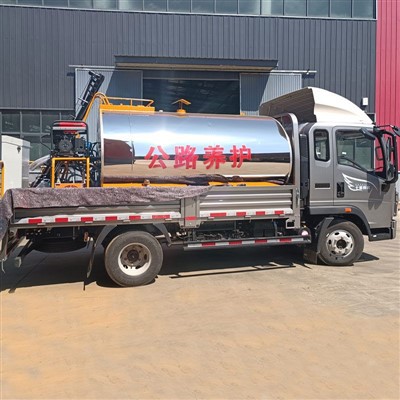
Hey there! As a supplier of Bitumen Emulsion Plants, I've seen firsthand the challenges that come with noise pollution in these facilities. It's not just an annoyance; it can also pose health risks to workers and cause disturbances in the surrounding community. In this blog post, I'm going to share some practical tips on how to reduce the noise pollution of a Bitumen Emulsion Plant.
Understanding the Sources of Noise in a Bitumen Emulsion Plant
Before we dive into the solutions, it's important to understand where the noise is coming from. In a Bitumen Emulsion Plant, the main sources of noise typically include:
- Pumps and Motors: These are the workhorses of the plant, responsible for moving the bitumen and other materials through the system. The constant operation of pumps and motors can generate a significant amount of noise.
- Mixing Equipment: The mixing process involves high-speed agitation, which can create loud vibrations and noise.
- Compressors: Compressors are used to provide the necessary pressure for various operations in the plant. They can be quite noisy, especially if they are not properly maintained.
- Conveyor Belts: Conveyor belts are used to transport materials within the plant. The movement of the belts and the interaction with the materials can produce noise.
Tips for Reducing Noise Pollution
Now that we know where the noise is coming from, let's look at some ways to reduce it.
1. Choose Quiet Equipment
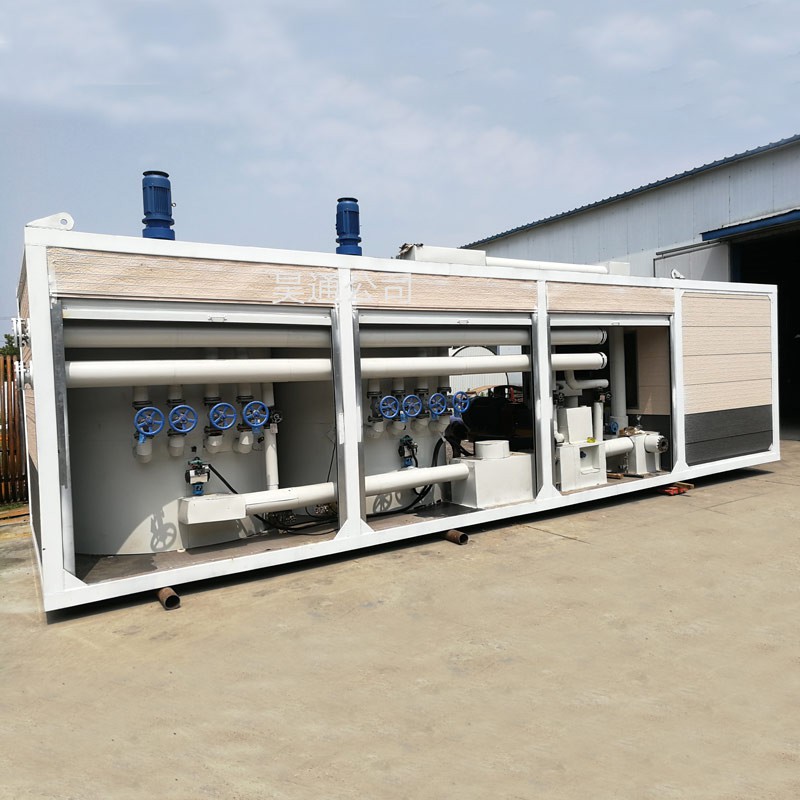
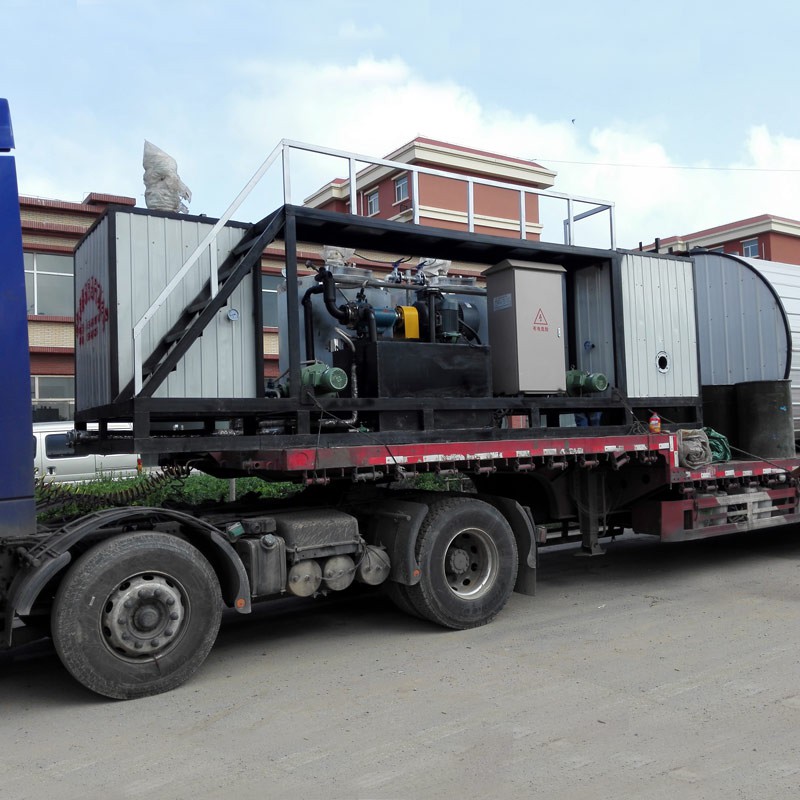
When purchasing new equipment for your Bitumen Emulsion Plant, look for models that are designed to be quiet. Many manufacturers now offer low-noise versions of pumps, motors, and other equipment. For example, you can check out our Fully Automatic Emulsified Asphalt Equipment, which is engineered to operate with minimal noise.
2. Proper Installation and Maintenance
Proper installation and maintenance of equipment are crucial for reducing noise. Make sure that all equipment is installed on a stable foundation to minimize vibrations. Regularly check and tighten loose bolts and connections, as these can contribute to noise. Also, keep the equipment well-lubricated to reduce friction and noise.
3. Use Noise Barriers
Noise barriers can be an effective way to reduce the spread of noise from the plant. You can install acoustic panels around the noisy equipment or along the perimeter of the plant. These panels absorb and reflect sound waves, reducing the amount of noise that reaches the surrounding area.
4. Implement Soundproofing Measures
In addition to noise barriers, you can also implement soundproofing measures inside the plant. This can include lining the walls and ceilings of the plant with sound-absorbing materials. You can also use soundproof enclosures for individual pieces of equipment to contain the noise.
5. Optimize the Layout of the Plant
The layout of the plant can also have an impact on noise pollution. Try to separate noisy equipment from areas where workers spend a lot of time or from areas that are close to the community. You can also use natural barriers, such as trees or hills, to help block the noise.
6. Train Your Workers
Educate your workers about the importance of noise reduction and how they can contribute. Teach them to operate the equipment properly to minimize noise. Encourage them to report any unusual noise or equipment malfunctions immediately.
7. Monitor and Evaluate Noise Levels
Regularly monitor the noise levels in the plant to ensure that they are within acceptable limits. Use noise monitoring equipment to measure the noise levels at different locations in the plant. Based on the results, you can make adjustments to your noise reduction measures as needed.
Benefits of Reducing Noise Pollution
Reducing noise pollution in your Bitumen Emulsion Plant offers several benefits:
- Improved Worker Health and Safety: Excessive noise can cause hearing loss, stress, and other health problems for workers. By reducing noise levels, you can create a safer and healthier work environment.
- Enhanced Community Relations: A noisy plant can cause disturbances in the surrounding community, leading to complaints and potential legal issues. By reducing noise pollution, you can improve your relationship with the community.
- Compliance with Regulations: Many countries and regions have regulations regarding noise pollution. By reducing noise levels in your plant, you can ensure that you are in compliance with these regulations.
Conclusion
Reducing the noise pollution of a Bitumen Emulsion Plant is not only important for the health and safety of your workers and the well-being of the community but also for the long-term success of your business. By following the tips outlined in this blog post, you can effectively reduce noise levels in your plant.
If you're interested in learning more about our Emulsion Bitumen Equipment or Modified Asphalt Emulsification Equipment, or if you have any questions about reducing noise pollution in your Bitumen Emulsion Plant, feel free to reach out to us. We're here to help you find the best solutions for your needs.
References
- "Industrial Noise Control and Acoustics" by Clarence E. Bies and Marshall L. Hansen
- "Noise Pollution: A Modern Plague" by World Health Organization