Ensuring uniform mixing in an asphalt rubber plant is crucial for producing high - quality asphalt rubber products. As an asphalt rubber plant supplier, I've seen firsthand how a well - mixed batch can make all the difference in the final application. In this blog, I'll share some tips and tricks on how to achieve that perfect, uniform mix.
Understanding the Basics of Asphalt Rubber Mixing
Before we dive into the how - to, let's understand what asphalt rubber mixing is all about. Asphalt rubber is a blend of asphalt binder and rubber particles, usually from recycled tires. The goal is to disperse the rubber particles evenly throughout the asphalt to enhance its performance characteristics, like elasticity, durability, and resistance to cracking.
The mixing process involves breaking down the rubber particles and allowing them to react with the asphalt. This reaction, known as swelling, changes the properties of both the rubber and the asphalt, creating a new, improved material. But getting this reaction right and ensuring uniform distribution of the rubber particles is no easy feat.
Selecting the Right Equipment
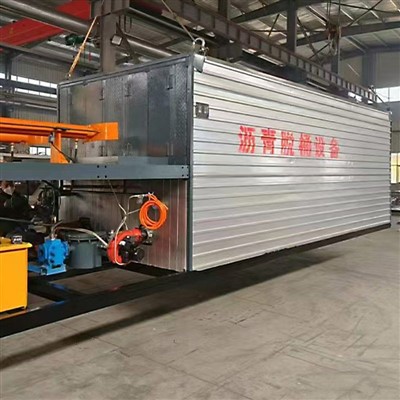
One of the first steps in ensuring uniform mixing is choosing the appropriate equipment. Our Asphalt Rubber Blending Plant is designed specifically for this task. It comes with advanced mixing chambers and agitators that are engineered to break down the rubber particles and distribute them evenly in the asphalt.


The type of mixer you use matters a lot. High - shear mixers are great for breaking down the rubber particles quickly and thoroughly. They use a lot of force to cut through the rubber, reducing its size and increasing its surface area for better interaction with the asphalt. On the other hand, low - shear mixers are more gentle and are better for maintaining the integrity of the asphalt during the mixing process. A combination of both can often yield the best results.
Another important piece of equipment is the storage tank. It should have a proper agitation system to keep the mixture moving and prevent the rubber particles from settling at the bottom. Our Rubber Asphalt Production Equipment includes state - of - the - art storage tanks with efficient agitation mechanisms to ensure the mixture remains homogeneous.
Controlling the Mixing Parameters
Once you have the right equipment, it's all about controlling the mixing parameters. Temperature is a critical factor. The asphalt needs to be heated to a specific temperature range to become fluid enough for the rubber particles to disperse. If the temperature is too low, the asphalt will be too viscous, and the rubber particles won't mix properly. If it's too high, the asphalt may start to degrade, and the rubber particles may lose their properties.
The mixing time also plays a significant role. You need to give the rubber particles enough time to break down and react with the asphalt. But over - mixing can also be a problem. It can lead to excessive degradation of the rubber and asphalt, affecting the quality of the final product. In general, a mixing time of around 45 minutes to 1.5 hours is recommended, depending on the type of rubber and asphalt used.
The ratio of rubber to asphalt is another key parameter. A higher rubber content can improve the performance of the asphalt rubber, but it also makes the mixing process more challenging. You need to find the right balance to ensure uniform mixing while achieving the desired performance characteristics.
Pre - treatment of Rubber Particles
Pre - treating the rubber particles can significantly improve the mixing process. One common pre - treatment method is grinding the rubber to a specific particle size. Smaller particles are easier to disperse in the asphalt and react more quickly. You can use a rubber grinder to achieve the desired particle size.
Another pre - treatment option is to coat the rubber particles with a chemical agent. This can help to improve the compatibility between the rubber and the asphalt, making it easier for the particles to mix and react. Some chemical agents can also enhance the swelling process, leading to a more uniform mixture.
Monitoring the Mixing Process
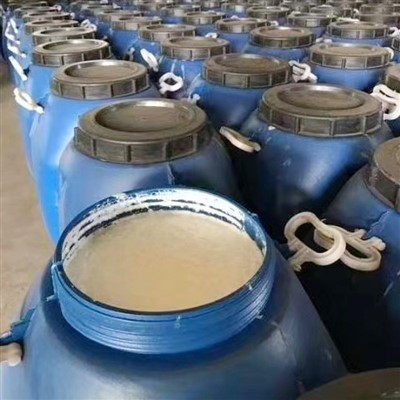
Regular monitoring of the mixing process is essential to ensure uniform mixing. You can use various techniques to check the quality of the mixture. One simple method is to take samples at different points in the mixing chamber and visually inspect them. Look for any signs of uneven distribution of rubber particles, such as clumps or streaks.
You can also use more advanced analytical techniques, like microscopy or rheological testing. Microscopy can help you to see the size and distribution of the rubber particles in the asphalt, while rheological testing can measure the flow properties of the mixture. These tests can provide valuable information about the quality of the mix and help you to make adjustments to the mixing parameters if necessary.
Training and Maintenance
Finally, having a well - trained staff is crucial for ensuring uniform mixing. Your operators should be familiar with the equipment, the mixing process, and the importance of controlling the mixing parameters. They should also know how to troubleshoot common problems that may arise during the mixing process.
Regular maintenance of the equipment is also essential. Over time, the mixing equipment can wear out, and its performance may decline. Make sure to follow the manufacturer's maintenance schedule and replace any worn - out parts promptly. This will help to ensure that the equipment operates at its best and that you achieve uniform mixing consistently.
Conclusion
Ensuring uniform mixing in an asphalt rubber plant is a complex but achievable task. By selecting the right equipment, controlling the mixing parameters, pre - treating the rubber particles, monitoring the process, and providing proper training and maintenance, you can produce high - quality asphalt rubber products.
If you're in the market for reliable Rubber Colored Asphalt Equipment or any other asphalt rubber production equipment, we're here to help. Our team of experts can provide you with the guidance and support you need to ensure uniform mixing and produce top - notch asphalt rubber products. Contact us today to start a conversation about your specific needs and how we can assist you in achieving your production goals.
References
- Kandhal, P. S., & Mallick, R. B. (1998). Rubberized Asphalt Concrete for Highway Construction. NAPA Research and Education Foundation.
- Xiao, F., & Amirkhanian, S. N. (2007). Evaluation of the rheological properties of rubber - modified binders. Construction and Building Materials, 21(9), 1826 - 1832.