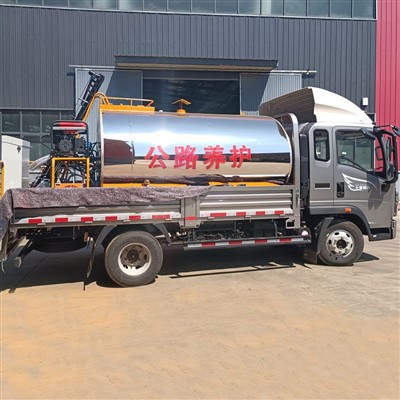
Bitumen emulsifiers play a crucial role in the construction and maintenance of roads, as well as in various other industries where bitumen is used. As a bitumen emulsifier supplier, ensuring the quality of our products is of utmost importance. In this blog post, I will share some key methods and considerations for testing the quality of bitumen emulsifiers.
Understanding Bitumen Emulsifiers
Before delving into the testing methods, it's essential to understand what bitumen emulsifiers are and how they work. Bitumen emulsifiers are chemical substances that help disperse bitumen in water, creating a stable emulsion. This emulsion can then be easily applied in various construction processes, such as surface dressing, slurry sealing, and cold mix asphalt production.


There are two main types of bitumen emulsifiers: cationic and anionic. Cationic Emulsifier have a positive charge, while Anionic Emulsifier have a negative charge. Each type has its own unique properties and applications, and the choice of emulsifier depends on factors such as the type of aggregate, weather conditions, and the specific requirements of the project.
Key Quality Parameters
When testing the quality of bitumen emulsifiers, several key parameters need to be considered. These include:
1. Emulsion Stability
Emulsion stability refers to the ability of the bitumen emulsion to remain in a stable state without separating into its individual components (bitumen and water) over a certain period of time. A stable emulsion is essential for ensuring proper application and performance of the bitumen in the field.
To test emulsion stability, a sample of the bitumen emulsion is typically placed in a graduated cylinder and allowed to stand for a specified period, usually 24 hours. The separation of the emulsion into layers (bitumen-rich and water-rich) is then measured, and the percentage of separation is calculated. A lower percentage of separation indicates better emulsion stability.
2. Particle Size Distribution
The particle size distribution of the bitumen droplets in the emulsion is another important quality parameter. Smaller particle sizes generally result in better dispersion and adhesion of the bitumen to the aggregate, leading to improved performance of the final product.
Particle size distribution can be measured using techniques such as laser diffraction or microscopy. Laser diffraction provides a quick and accurate method for determining the size distribution of the bitumen droplets, while microscopy allows for direct visualization of the particles.
3. Viscosity
Viscosity is a measure of the resistance of the bitumen emulsion to flow. It affects the ease of application of the emulsion and its ability to coat the aggregate evenly. The viscosity of the emulsion can be adjusted by changing the concentration of the emulsifier, the type of bitumen used, and the temperature.
Viscosity is typically measured using a viscometer, such as a rotational viscometer or a capillary viscometer. The measurement is usually taken at a specific temperature, and the results are reported in centipoise (cP) or pascal-seconds (Pa·s).
4. Charge and pH
As mentioned earlier, bitumen emulsifiers can be either cationic or anionic, depending on their charge. The charge of the emulsifier affects its interaction with the aggregate and the stability of the emulsion.
The charge of the emulsifier can be determined using a zeta potential analyzer, which measures the electrical potential at the surface of the bitumen droplets. The pH of the emulsion is also an important factor, as it can affect the charge of the emulsifier and the stability of the emulsion. The pH is typically measured using a pH meter, and the optimal pH range for a bitumen emulsion depends on the type of emulsifier and the specific application.
5. Residue on Evaporation
The residue on evaporation refers to the amount of bitumen remaining in the emulsion after the water has been evaporated. It is an important parameter for determining the actual bitumen content of the emulsion and for ensuring that the emulsion meets the specified requirements.
To measure the residue on evaporation, a known volume of the bitumen emulsion is placed in a weighed dish and heated in an oven at a specified temperature until all the water has evaporated. The dish is then cooled and weighed again, and the residue on evaporation is calculated as a percentage of the original weight of the emulsion.
Testing Methods
There are several testing methods available for evaluating the quality of bitumen emulsifiers. These methods can be broadly classified into laboratory tests and field tests.
Laboratory Tests
Laboratory tests are conducted under controlled conditions using specialized equipment and techniques. They provide accurate and reproducible results and are essential for quality control and research purposes. Some of the common laboratory tests for bitumen emulsifiers include:
- Emulsion Stability Test: As described earlier, this test measures the ability of the bitumen emulsion to remain stable over a specified period of time.
- Particle Size Analysis: This test determines the particle size distribution of the bitumen droplets in the emulsion using techniques such as laser diffraction or microscopy.
- Viscosity Measurement: This test measures the viscosity of the bitumen emulsion using a viscometer.
- Charge and pH Measurement: These tests determine the charge and pH of the bitumen emulsion using a zeta potential analyzer and a pH meter, respectively.
- Residue on Evaporation Test: This test measures the amount of bitumen remaining in the emulsion after the water has been evaporated.
Field Tests
Field tests are conducted on-site to evaluate the performance of the bitumen emulsion under actual working conditions. They provide valuable information about the practical application and performance of the bitumen in the field. Some of the common field tests for bitumen emulsifiers include:
- Coating Test: This test evaluates the ability of the bitumen emulsion to coat the aggregate evenly. A sample of the aggregate is coated with the bitumen emulsion, and the coating is visually inspected for uniformity and adhesion.
- Setting Time Test: This test measures the time it takes for the bitumen emulsion to set and harden on the aggregate. The setting time is an important factor in determining the workability and curing time of the bitumen in the field.
- Adhesion Test: This test evaluates the adhesion of the bitumen emulsion to the aggregate. A sample of the coated aggregate is subjected to a shear force, and the amount of bitumen that remains adhered to the aggregate is measured.
Importance of Quality Testing
Quality testing of bitumen emulsifiers is essential for several reasons:
- Ensuring Product Performance: By testing the quality of the bitumen emulsifiers, we can ensure that the final product meets the specified requirements and performs as expected in the field. This helps to prevent costly failures and rework, and ensures the long-term durability and performance of the roads and other infrastructure.
- Compliance with Standards and Regulations: Many countries and regions have established standards and regulations for the quality of bitumen emulsifiers. By conducting regular quality testing, we can ensure that our products comply with these standards and regulations, and avoid potential legal issues.
- Customer Satisfaction: Providing high-quality bitumen emulsifiers is essential for maintaining customer satisfaction. By consistently delivering products that meet or exceed customer expectations, we can build long-term relationships with our customers and enhance our reputation in the market.
Conclusion
Testing the quality of bitumen emulsifiers is a critical step in ensuring the performance and reliability of bitumen-based products in the construction and maintenance of roads and other infrastructure. By considering key quality parameters such as emulsion stability, particle size distribution, viscosity, charge, and residue on evaporation, and by using appropriate testing methods, we can accurately evaluate the quality of our bitumen emulsifiers and make informed decisions about their suitability for specific applications.
As a bitumen emulsifier supplier, we are committed to providing our customers with high-quality products that meet the highest standards of performance and reliability. If you have any questions or need further information about our bitumen emulsifiers or the testing methods we use, please don't hesitate to contact us. We look forward to working with you on your next project.
References
- ASTM International. (20XX). Standard test methods for bitumen emulsions. ASTM D244.
- EN Standards. (20XX). Bitumen and bituminous binders - Test methods for bitumen emulsions. EN 1428.
- Shell Bitumen Handbook. (20XX). Shell Global Solutions International B.V.