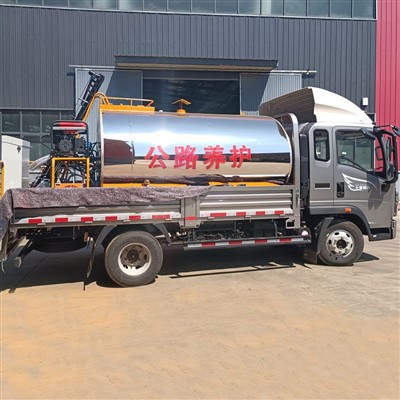
Hey there! As a supplier of Asphalt Melting Machines, I've had my fair share of questions about how to measure the efficiency of these machines accurately. It's a crucial topic, especially if you're looking to get the most out of your investment. So, let's dive right in!
Why Measuring Efficiency Matters
First off, why should you even bother measuring the efficiency of your asphalt melting machine? Well, for starters, it directly impacts your bottom line. An efficient machine will use less energy, melt asphalt faster, and ultimately save you money in the long run. It also helps you identify any potential issues early on, so you can take corrective action before they turn into major problems.
Key Metrics for Measuring Efficiency
There are several key metrics you can use to measure the efficiency of an asphalt melting machine. Let's take a look at some of the most important ones:
1. Melting Rate
The melting rate is perhaps the most obvious metric for measuring efficiency. It refers to the amount of asphalt the machine can melt in a given period of time, usually measured in tons per hour. A higher melting rate means the machine can process more asphalt in less time, which is a clear sign of efficiency.
To measure the melting rate, you'll need to record the amount of asphalt you load into the machine and the time it takes to melt it. Then, simply divide the amount of asphalt by the time to get the melting rate. For example, if you load 5 tons of asphalt into the machine and it takes 2 hours to melt it, the melting rate is 2.5 tons per hour.
2. Energy Consumption
Energy consumption is another critical metric for measuring efficiency. An efficient asphalt melting machine will use less energy to melt the same amount of asphalt compared to a less efficient one. This not only saves you money on energy bills but also reduces your carbon footprint.
To measure energy consumption, you'll need to monitor the power consumption of the machine over a period of time. You can do this by using a power meter or by checking the machine's energy consumption data if it's available. Then, calculate the energy consumption per ton of asphalt melted. For example, if the machine consumes 100 kilowatt-hours (kWh) of energy to melt 5 tons of asphalt, the energy consumption per ton is 20 kWh/ton.
3. Heat Transfer Efficiency
Heat transfer efficiency refers to how effectively the machine transfers heat from the heat source to the asphalt. A higher heat transfer efficiency means more of the heat generated is used to melt the asphalt, rather than being wasted.
One way to measure heat transfer efficiency is to compare the temperature of the asphalt before and after it's melted. If the temperature increase is significant, it indicates that the machine is transferring heat efficiently. You can also measure the temperature of the heat source and the temperature of the asphalt at different points in the machine to identify any areas where heat transfer may be inefficient.
4. Asphalt Quality
The quality of the melted asphalt is also an important factor in measuring efficiency. An efficient machine should be able to melt the asphalt without degrading its quality. This means the asphalt should have the right consistency, viscosity, and other properties for its intended use.


To measure asphalt quality, you can perform various tests on the melted asphalt, such as viscosity tests, penetration tests, and softening point tests. These tests will help you determine if the asphalt meets the required standards and if the machine is melting it effectively.
Factors Affecting Efficiency
Now that we know the key metrics for measuring efficiency, let's take a look at some of the factors that can affect the efficiency of an asphalt melting machine:
1. Machine Design
The design of the machine plays a crucial role in its efficiency. A well-designed machine will have features that promote efficient heat transfer, such as a large heating surface area and a good insulation system. It will also have a reliable and efficient heat source, such as a burner or an electric heater.
When choosing an asphalt melting machine, look for one that has a proven track record of efficiency and reliability. You can also consider features such as automatic temperature control, which can help optimize the melting process and improve efficiency.
2. Maintenance
Regular maintenance is essential for keeping an asphalt melting machine running efficiently. Over time, the machine's components can wear out, which can reduce its efficiency. By performing regular maintenance tasks, such as cleaning the heating elements, checking the seals, and lubricating the moving parts, you can ensure that the machine is operating at its best.
3. Asphalt Type and Quality
The type and quality of the asphalt you're melting can also affect the efficiency of the machine. Different types of asphalt have different melting points and viscosities, which can impact how quickly and easily they can be melted. Additionally, if the asphalt contains impurities or has a high moisture content, it can take longer to melt and may require more energy.
To ensure optimal efficiency, it's important to use high-quality asphalt that is suitable for your machine. You should also store the asphalt properly to prevent it from getting contaminated or absorbing moisture.
4. Operating Conditions
The operating conditions of the machine, such as the ambient temperature and humidity, can also affect its efficiency. In colder temperatures, it may take longer to melt the asphalt, and the machine may need to use more energy to maintain the required temperature. Similarly, high humidity can make it more difficult to melt the asphalt and can also increase the risk of corrosion in the machine.
To minimize the impact of operating conditions on efficiency, you can take steps to control the environment around the machine. For example, you can insulate the machine or use a heating system to maintain a consistent temperature.
Using the Metrics to Improve Efficiency
Once you've measured the efficiency of your asphalt melting machine using the key metrics we discussed earlier, you can use this information to identify areas for improvement. Here are some tips on how to use the metrics to improve efficiency:
1. Set Benchmarks
Establish benchmarks for each of the key metrics based on the manufacturer's specifications or industry standards. Then, regularly monitor the machine's performance against these benchmarks to see how it's performing. If the machine is falling short of the benchmarks, you can take steps to improve its efficiency.
2. Identify Trends
Look for trends in the data over time. For example, if you notice that the energy consumption per ton of asphalt is increasing, it could indicate a problem with the machine or a change in the operating conditions. By identifying these trends early on, you can take corrective action before they become major issues.
3. Make Adjustments
Based on the data and trends you've identified, make adjustments to the machine's operation or maintenance schedule as needed. For example, if you find that the heat transfer efficiency is low, you may need to clean the heating elements or improve the insulation. If the melting rate is slow, you may need to adjust the temperature settings or the feed rate of the asphalt.
4. Consider Upgrades
If you find that your machine is consistently underperforming, you may want to consider upgrading to a more efficient model. There are many new asphalt melting machines on the market that offer improved efficiency, reliability, and performance. Upgrading to a new machine can help you save money on energy costs and improve your overall productivity.
Conclusion
Measuring the efficiency of an asphalt melting machine accurately is essential for getting the most out of your investment. By using the key metrics we discussed, such as melting rate, energy consumption, heat transfer efficiency, and asphalt quality, you can identify areas for improvement and take steps to optimize the machine's performance.
As a supplier of Bitumen Melting Plant, Asphalt Melting Plant, and Asphalt Fast Melting Machine, we're committed to providing our customers with high-quality, efficient machines. If you're interested in learning more about our products or have any questions about measuring the efficiency of your asphalt melting machine, please don't hesitate to contact us. We'd be happy to help you find the right solution for your needs.
References
- Manufacturer's manuals for asphalt melting machines
- Industry standards and guidelines for asphalt processing
- Research studies on energy efficiency in asphalt melting processes