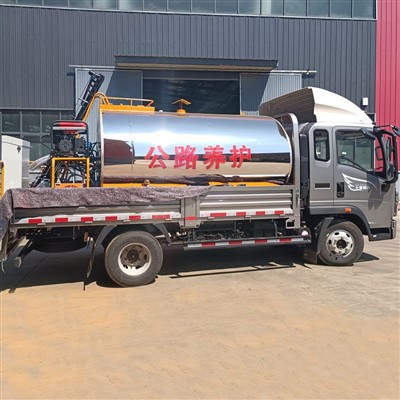
Transporting emulsion asphalt produced by an Emulsion Asphalt Plant is a crucial step that requires careful planning and execution. As a supplier of emulsion asphalt plants, I understand the importance of ensuring that the emulsion asphalt reaches its destination in optimal condition. In this blog post, I will share some key considerations and best practices for transporting emulsion asphalt.
Understanding Emulsion Asphalt
Before delving into the transportation aspects, it's essential to have a basic understanding of emulsion asphalt. Emulsion asphalt is a mixture of asphalt, water, and an emulsifying agent. The emulsifying agent helps to disperse the asphalt particles in the water, creating a stable suspension. This type of asphalt is commonly used in road construction, pavement maintenance, and other applications due to its ease of handling and environmental benefits.
Container Selection
The first step in transporting emulsion asphalt is selecting the appropriate container. The container should be made of a material that is compatible with emulsion asphalt and can withstand the pressure and temperature conditions during transportation. Common containers used for transporting emulsion asphalt include tanker trucks, drums, and totes.
- Tanker Trucks: Tanker trucks are the most common method of transporting large quantities of emulsion asphalt. They are designed to hold and transport liquid materials safely and efficiently. Tanker trucks come in various sizes and capacities, ranging from small trucks with a capacity of a few thousand liters to large trucks with a capacity of over 30,000 liters. When selecting a tanker truck, it's important to ensure that it is properly maintained and equipped with the necessary safety features, such as pressure relief valves and temperature sensors.
- Drums and Totes: Drums and totes are suitable for transporting smaller quantities of emulsion asphalt. They are typically made of steel or plastic and come in various sizes, ranging from 20 liters to 220 liters. Drums and totes are easy to handle and can be transported using standard shipping methods, such as trucks, trains, and ships. When using drums and totes, it's important to ensure that they are properly sealed and labeled to prevent leakage and contamination.
Temperature Control
Emulsion asphalt is sensitive to temperature changes, and it's important to maintain the proper temperature during transportation. If the temperature is too high, the emulsion may break down, causing the asphalt to separate from the water. If the temperature is too low, the emulsion may freeze, which can also cause damage to the product.


- Insulation: To maintain the proper temperature, it's important to use insulated containers or tankers. Insulation helps to prevent heat transfer and keeps the emulsion asphalt at a consistent temperature. Insulated tankers are typically equipped with a heating or cooling system to ensure that the temperature remains within the recommended range.
- Monitoring: It's also important to monitor the temperature of the emulsion asphalt during transportation. This can be done using temperature sensors installed in the container or tanker. If the temperature exceeds the recommended range, appropriate measures should be taken to adjust the temperature, such as using a heating or cooling system.
Mixing and Agitation
Emulsion asphalt needs to be properly mixed and agitated during transportation to ensure that the asphalt particles remain evenly dispersed in the water. This helps to prevent the asphalt from settling and separating from the water, which can affect the quality of the product.
- Agitation Systems: Tanker trucks and other containers used for transporting emulsion asphalt are typically equipped with agitation systems. These systems help to keep the emulsion asphalt moving and prevent the asphalt from settling. Agitation systems can be powered by electricity, hydraulics, or pneumatics.
- Mixing Procedures: In addition to using agitation systems, it's also important to follow proper mixing procedures when loading and unloading the emulsion asphalt. This helps to ensure that the product is properly mixed and that the asphalt particles are evenly dispersed in the water.
Safety Considerations
Transporting emulsion asphalt involves certain risks, and it's important to take appropriate safety measures to protect the environment, workers, and the public.
- Training: All workers involved in the transportation of emulsion asphalt should receive proper training on safety procedures and regulations. This includes training on handling the product, using safety equipment, and responding to emergencies.
- Safety Equipment: It's important to use appropriate safety equipment when transporting emulsion asphalt, such as personal protective equipment (PPE), spill containment materials, and fire extinguishers. PPE should include gloves, goggles, and protective clothing to protect workers from exposure to the product.
- Regulatory Compliance: It's also important to comply with all relevant regulations and standards when transporting emulsion asphalt. This includes regulations related to transportation safety, environmental protection, and hazardous materials handling.
Transportation Logistics
In addition to the technical aspects of transporting emulsion asphalt, it's also important to consider the logistics of the transportation process. This includes planning the route, scheduling the delivery, and coordinating with the customer.
- Route Planning: When planning the route, it's important to consider factors such as traffic conditions, road restrictions, and the location of the delivery destination. This helps to ensure that the emulsion asphalt is delivered safely and on time.
- Delivery Scheduling: It's also important to schedule the delivery of the emulsion asphalt to ensure that it arrives at the destination when it is needed. This may involve coordinating with the customer to determine the best time for delivery.
- Customer Communication: Finally, it's important to maintain good communication with the customer throughout the transportation process. This includes providing regular updates on the status of the delivery and addressing any concerns or questions that the customer may have.
Conclusion
Transporting emulsion asphalt produced by an Emulsion Asphalt Plant requires careful planning and execution. By selecting the appropriate container, maintaining the proper temperature, ensuring proper mixing and agitation, taking appropriate safety measures, and considering the logistics of the transportation process, you can ensure that the emulsion asphalt reaches its destination in optimal condition.
If you are interested in purchasing a Fully Automatic Emulsified Asphalt Equipment, Bitumen Emulsion Plant, or Emulsion Bitumen Equipment, please feel free to contact us for more information and to discuss your specific requirements. We are committed to providing high-quality products and excellent customer service, and we look forward to working with you.
References
- "Transportation of Asphalt Emulsions," National Asphalt Pavement Association.
- "Safe Handling of Asphalt Emulsions," Federal Highway Administration.
- "Emulsion Asphalt: Properties and Uses," Asphalt Institute.