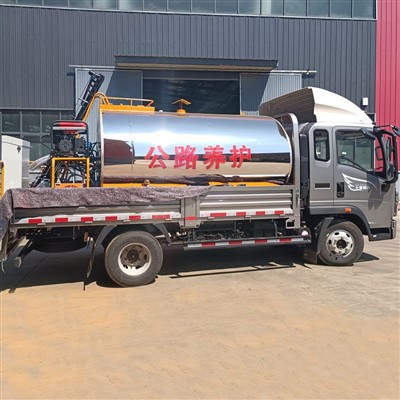
Hey there! I'm a supplier of Asphalt Distributor Trucks, and today I want to dig into a question that often pops up: Is it possible to retrofit an old truck into an Asphalt Distributor Truck?
The Appeal of Retrofitting
First off, let's talk about why someone might want to retrofit an old truck. Money's a big factor. Buying a brand - new Asphalt Distributor Truck can be pretty pricey. An old truck that you already own or can get cheaply is a much more budget - friendly starting point. Also, if you've got an old truck that's in decent mechanical shape, it'd be a shame to just scrap it. Retrofitting gives it a new lease on life.
Technical Considerations
Now, onto the nitty - gritty of whether it's actually doable.
The Chassis
The chassis of the old truck is the foundation. It needs to be strong enough to handle the extra weight of the asphalt tank and all the associated equipment. You've got to check the frame for any signs of rust, cracks, or other damage. If there are issues, they'll need to be fixed before you can even think about adding the asphalt - distributing gear. A weak chassis can lead to all sorts of problems down the road, like uneven weight distribution and even structural failure.
Engine and Transmission
The engine and transmission are the heart and soul of the truck. They need to have enough power to move the added weight and run the asphalt - pumping system. An underpowered engine will struggle, leading to poor fuel efficiency and potential breakdowns. You might need to upgrade the engine or at least tune it up to ensure it can handle the extra load. The transmission also has to be in good condition. It needs to shift smoothly and be able to handle the torque requirements of the new setup.
Asphalt Tank Installation
Installing an asphalt tank is a major part of the retrofit. You need to find a tank that fits the dimensions of the truck bed and is made of a material that can withstand the high temperatures of asphalt. Stainless steel is a popular choice because it's durable and resistant to corrosion. The tank has to be securely mounted to the chassis to prevent it from shifting during transit. You'll also need to install insulation to keep the asphalt at the right temperature.
Pumping and Distribution System
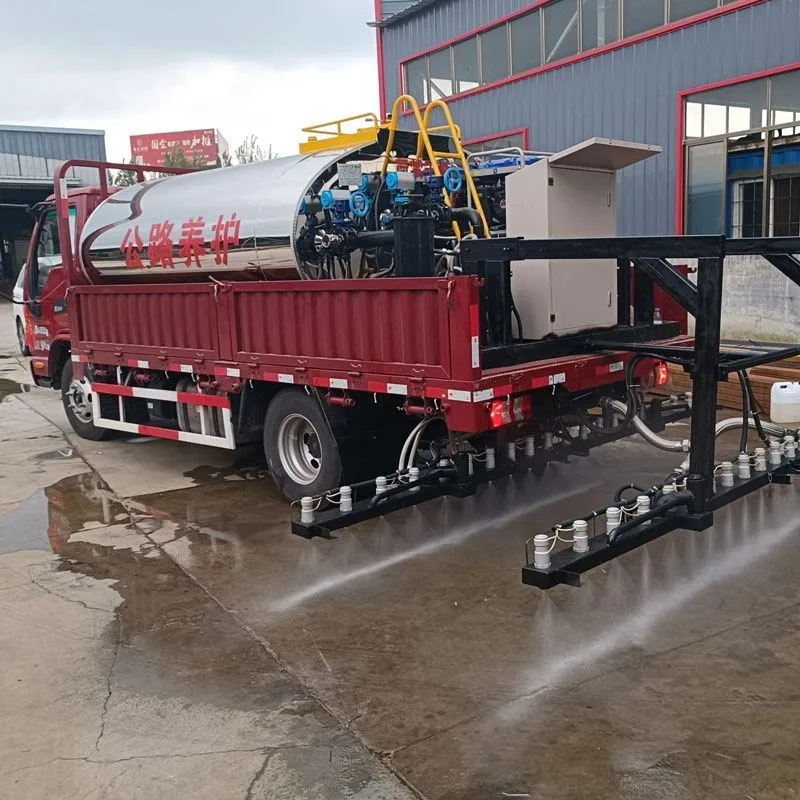
The pumping and distribution system is what actually gets the asphalt from the tank to the road. You can choose from different types of pumps, like gear pumps or centrifugal pumps, depending on your specific needs. The distribution system includes nozzles that spray the asphalt evenly. You've got to make sure the system is properly calibrated so that the asphalt is distributed at the right rate and thickness.
Types of Asphalt Distributor Trucks
There are different types of Asphalt Distributor Trucks out there, and understanding them can help you decide on the best retrofit approach.
Standard Asphalt Distributor
A Standard Asphalt Distributor is a basic setup. It's relatively simple and straightforward, making it a good option for smaller projects or if you're on a tight budget. The distribution is usually controlled manually, which means you've got to keep an eye on things and make adjustments as needed.
Automatic Asphalt Distributor
On the other hand, an Automatic Asphalt Distributor is more high - tech. It uses sensors and controls to automatically adjust the asphalt flow rate and distribution pattern. This type of system is great for larger projects where precision is key. However, retrofitting an old truck with an automatic system can be more complex and expensive.

Challenges of Retrofitting
Retrofitting an old truck into an Asphalt Distributor Truck isn't all sunshine and rainbows. There are some challenges you'll likely face.
Regulatory Compliance
You've got to make sure your retrofitted truck meets all the local and national regulations. This includes things like safety standards, emissions requirements, and weight limits. Failing to comply can result in fines and even having your truck taken out of service.
Compatibility Issues
Getting all the different components to work together smoothly can be a real headache. For example, the new pumping system might not be fully compatible with the old engine, leading to performance issues. You'll need to do a lot of testing and tweaking to get everything working right.
Cost - Benefit Analysis
Even though retrofitting is generally cheaper than buying a new truck, it can still add up. You've got to factor in the cost of the tank, the pumping system, any engine upgrades, and labor costs. Sometimes, after all is said and done, it might be more cost - effective to just buy a new Asphalt Distributor Truck.
Is It Worth It?
So, is it possible to retrofit an old truck into an Asphalt Distributor Truck? The answer is yes, it's definitely possible. But whether it's worth it depends on your specific situation. If you've got an old truck in good condition, a limited budget, and a relatively small - scale project, then retrofitting could be a great option. However, if you need a high - performance, precision - oriented truck for large - scale projects, buying a new one might be the way to go.
Contact Us for More
If you're still on the fence about whether to retrofit or buy new, or if you've got any questions about Asphalt Distributor Trucks in general, don't hesitate to reach out. We're here to help you make the best decision for your business. Whether you're interested in a retrofit or a brand - new truck, we've got the expertise and the products to meet your needs.
References
- "Truck Chassis and Component Selection Guide" - Industry publication
- "Asphalt Paving and Distributing Handbook" - Professional association resource