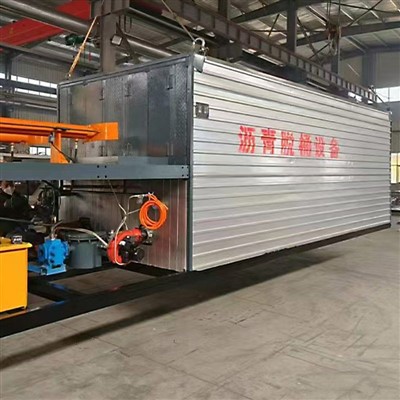
Hey there! As a supplier of Asphalt Melting Machine, I'm often asked about how often the parts of an asphalt melting machine should be replaced. It's a crucial question, as the performance and longevity of your machine depend on it. In this blog, I'll share some insights based on our experience and industry knowledge.
Understanding the Basics of an Asphalt Melting Machine
Before we dive into the replacement intervals, let's quickly go over what an asphalt melting machine does and its key components. An asphalt melting machine is used to heat and melt asphalt, which is then used in various construction applications like road building and roofing. These machines typically consist of a heating chamber, burners, valves, pumps, and a control system.
The Bitumen Melting Plant and Asphalt Melting Plant versions are larger and more industrial - scale, but the basic principles and component replacement concepts remain similar across different models.
Factors Affecting Part Replacement
Several factors can influence how often you need to replace the parts of your asphalt melting machine:
1. Usage Frequency
If your machine is running continuously for long hours, the wear and tear on its parts will be much higher compared to a machine that's used only occasionally. For example, a machine in a busy construction site that operates 8 - 10 hours a day, 5 days a week, will need more frequent part replacements than a smaller operation that uses it for a few hours a week.
2. Operating Conditions
The environment in which the machine operates plays a significant role. If it's in a dusty, dirty, or corrosive environment, parts like filters, valves, and pumps can get clogged or corroded faster. High - temperature environments can also cause certain components to degrade more quickly.
3. Quality of Input Materials
The quality of the asphalt and other additives used in the machine can impact part lifespan. Low - quality asphalt may contain more impurities, which can cause abrasion and damage to the internal components.
4. Maintenance Practices
Regular maintenance, such as cleaning, lubrication, and inspection, can significantly extend the life of the parts. A well - maintained machine will require less frequent part replacements compared to one that's neglected.


Replacement Intervals for Different Parts
Heating Elements
Heating elements are one of the most critical parts of an asphalt melting machine. Over time, they can wear out due to the high - temperature operation. In general, if your machine is used regularly, you should plan to replace the heating elements every 1 to 2 years. However, if the machine is subjected to extreme conditions, like frequent power surges or overheating, this interval may need to be reduced to 6 months to a year.
Burners
Burners are responsible for providing the heat needed to melt the asphalt. The lifespan of a burner depends on the type of fuel used and the quality of the burner itself. Gas - powered burners typically last longer than oil - powered ones, as oil can leave more residues and cause more clogging. On average, you should inspect the burners every 3 - 6 months and replace them every 2 - 3 years with regular use.
Valves
Valves control the flow of asphalt and other fluids in the machine. They can wear out due to the constant pressure and flow of the materials. Check the valves every 3 - 6 months for leaks or signs of damage. Replace them every 1 - 2 years, depending on the frequency of use and the type of valve.
Pumps
Pumps are used to transfer the melted asphalt from the heating chamber to the storage or application area. They are under a lot of stress during operation. Inspect the pumps regularly for any signs of leakage, unusual noises, or reduced performance. In a normal operating environment, pumps may need to be replaced every 1.5 - 2.5 years.
Filters
Filters are essential for keeping the asphalt and other fluids clean. They can get clogged with dirt, debris, and impurities over time. Replace the filters every 3 - 6 months, depending on the quality of the input materials and the operating conditions.
Signs That a Part Needs Replacement
In addition to following the general replacement intervals, it's important to be aware of the signs that a part needs to be replaced immediately:
- Unusual Noises: If you hear grinding, rattling, or other strange noises coming from the machine, it could indicate a problem with a part, such as a loose bearing or a worn - out gear.
- Reduced Performance: A decrease in the melting speed, uneven heating, or a drop in the pressure of the asphalt flow can all be signs of a failing component.
- Leakage: Any signs of fluid leakage, whether it's asphalt, fuel, or coolant, should be investigated immediately. Leaks can not only cause damage to the machine but also pose a safety hazard.
- Warning Lights: Most modern asphalt melting machines are equipped with warning lights that indicate a problem with a specific part. Pay attention to these lights and take appropriate action.
Importance of Using Genuine Parts
When it comes to replacing parts, it's crucial to use genuine parts from the manufacturer. Genuine parts are designed to fit your machine perfectly and are made to the same high - quality standards as the original components. Using non - genuine parts may lead to compatibility issues, reduced performance, and even damage to the machine.
Conclusion
Knowing how often to replace the parts of your asphalt melting machine is essential for keeping it running smoothly and efficiently. By considering factors like usage frequency, operating conditions, and maintenance practices, you can develop a replacement schedule that works for your specific situation.
If you're in the market for an Asphalt Melting Machine or need replacement parts, don't hesitate to reach out. We're here to help you make the right choices for your business. Whether you're a small contractor or a large construction company, we've got the expertise and products to meet your needs. Contact us today to start a conversation about your asphalt melting requirements!
References
- Industry standards and best practices for asphalt melting machine maintenance.
- Manufacturer's guidelines for the specific models of asphalt melting machines.