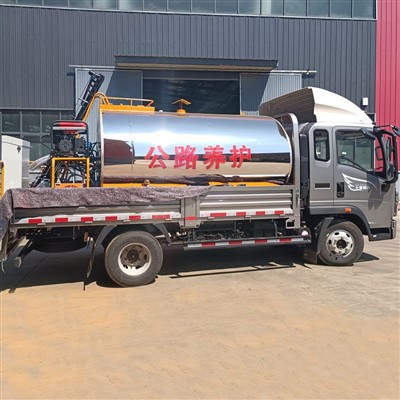
In the realm of industrial operations, the reliability of explosion - proof design in a bitumen melting plant is a topic of utmost significance. As a seasoned supplier of Bitumen Melting Plant, I have witnessed firsthand the critical role that explosion - proof design plays in ensuring the safety and efficiency of these facilities.
Understanding Bitumen Melting Plants
Bitumen, also known as asphalt, is a viscous, black, and sticky material derived from crude oil. It is widely used in road construction, waterproofing, and roofing applications. Bitumen melting plants are designed to heat and melt bitumen from its solid or semi - solid state to a liquid form, which can then be easily transported and used in various processes.
These plants typically consist of storage tanks, heating systems, pumps, and pipelines. The heating process involves raising the temperature of bitumen to a point where it becomes fluid, which can range from 120°C to 180°C depending on the type of bitumen. During this heating process, there are several potential hazards that need to be addressed, and one of the most significant is the risk of explosion.
Hazards in Bitumen Melting Plants
One of the primary hazards in bitumen melting plants is the presence of flammable vapors. When bitumen is heated, it releases volatile organic compounds (VOCs) and other flammable gases. These vapors can form explosive mixtures with air if their concentration reaches the lower explosive limit (LEL). Additionally, the high temperature in the plant can create a source of ignition, such as hot surfaces, open flames from burners, or electrical sparks.
Another hazard is the potential for over - pressure situations. If the heating system malfunctions or the pressure relief devices fail, the pressure inside the tanks or pipelines can build up to dangerous levels, leading to an explosion. Moreover, the handling and transfer of bitumen can also pose risks, such as spills and leaks, which can increase the likelihood of a fire or explosion.
Explosion - Proof Design Principles
To mitigate the risks associated with bitumen melting plants, explosion - proof design principles are employed. These principles are based on international standards and regulations, such as the International Electrotechnical Commission (IEC) standards and the European ATEX directives.
Electrical Equipment
One of the key aspects of explosion - proof design is the use of explosion - proof electrical equipment. This includes motors, switches, control panels, and lighting fixtures. Explosion - proof electrical equipment is designed to prevent the ignition of flammable vapors by containing any sparks or arcs within a sealed enclosure. The enclosure is constructed to withstand the pressure of an internal explosion without allowing the flame to propagate outside.
Ventilation Systems
Proper ventilation is crucial in bitumen melting plants to remove flammable vapors from the air. Ventilation systems are designed to maintain the concentration of flammable vapors below the LEL. They typically consist of exhaust fans, ducts, and air inlets. The ventilation rate is calculated based on the size of the plant, the volume of bitumen being processed, and the potential sources of vapor release.
Pressure Relief Devices
Pressure relief devices, such as safety valves and rupture discs, are installed in tanks and pipelines to prevent over - pressure situations. These devices are designed to open automatically when the pressure inside the system exceeds a predetermined limit, allowing the excess pressure to be released safely.
Fire Suppression Systems
Fire suppression systems, such as sprinklers and foam systems, are also an important part of explosion - proof design. These systems are designed to detect and extinguish fires quickly, reducing the risk of an explosion. Sprinklers can be used to cool the surfaces of tanks and equipment, while foam systems can be used to smother flammable liquids.
Reliability of Explosion - Proof Design
The reliability of explosion - proof design in a bitumen melting plant depends on several factors. Firstly, the quality of the design and engineering is crucial. A well - designed explosion - proof system should take into account all the potential hazards and ensure that the appropriate safety measures are in place. This requires a thorough understanding of the process, the materials involved, and the relevant standards and regulations.
Secondly, the quality of the equipment and components used in the explosion - proof system is also important. High - quality explosion - proof electrical equipment, ventilation systems, pressure relief devices, and fire suppression systems are more likely to perform reliably over time. Regular maintenance and inspection of these components are also essential to ensure their continued operation.


Thirdly, the training and awareness of the plant operators play a significant role in the reliability of the explosion - proof design. Operators should be trained to understand the hazards associated with bitumen melting plants and how to operate the equipment safely. They should also be aware of the emergency procedures in case of a fire or explosion.
However, it is important to note that no explosion - proof design is 100% foolproof. There is always a small possibility of a failure due to unforeseen circumstances, such as equipment malfunction, human error, or natural disasters. Therefore, continuous monitoring and improvement of the explosion - proof system are necessary to ensure its long - term reliability.
Case Studies
To illustrate the importance of reliable explosion - proof design, let's look at some case studies. In one incident, a bitumen melting plant experienced an explosion due to a malfunction in the ventilation system. The flammable vapors were not properly removed from the air, and their concentration reached the LEL. A spark from an electrical switch ignited the vapor mixture, resulting in a significant explosion and damage to the plant.
In contrast, another bitumen melting plant with a well - designed and maintained explosion - proof system was able to prevent a potential explosion. When a small leak of bitumen occurred, the fire suppression system was activated immediately, and the ventilation system was adjusted to remove the flammable vapors. The operators were also trained to respond quickly to the emergency, and the situation was brought under control without any major damage.
Our Experience as a Supplier
As a Bitumen Melting Plant supplier, we take the reliability of explosion - proof design very seriously. We have a team of experienced engineers who are well - versed in the latest explosion - proof design principles and standards. Our plants are designed and manufactured using high - quality materials and components to ensure their long - term reliability.
We also provide comprehensive training and after - sales support to our customers. Our training programs cover all aspects of plant operation, maintenance, and safety, including the proper use of explosion - proof equipment. We also offer regular maintenance and inspection services to ensure that our plants continue to operate safely and efficiently.
Conclusion
In conclusion, the explosion - proof design of a bitumen melting plant is a complex and critical aspect of ensuring the safety and reliability of these facilities. While there are inherent risks associated with bitumen processing, a well - designed and maintained explosion - proof system can significantly reduce the likelihood of an explosion.
As a supplier, we are committed to providing our customers with the highest quality Bitumen Melting Plant that meet the strictest safety standards. If you are in the market for a bitumen melting plant or need to upgrade your existing facility, we invite you to contact us for a detailed discussion. Our team of experts will be happy to assist you in finding the best solution for your specific needs.
References
- International Electrotechnical Commission (IEC) standards
- European ATEX directives
- Industry reports on bitumen melting plant safety