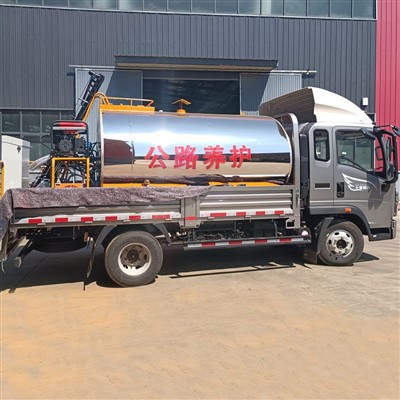
As a supplier of Asphalt Distributor Tank, I've witnessed firsthand the challenges that can lead to the failure of these crucial pieces of equipment. Asphalt distributor tanks are integral to road construction and maintenance projects, ensuring the efficient and precise distribution of asphalt. However, several common causes can lead to their failure, impacting project timelines and budgets. In this blog, I'll delve into these causes, providing insights and solutions to help you avoid potential issues.


1. Corrosion
One of the most prevalent causes of failure in asphalt distributor tanks is corrosion. Asphalt is a highly corrosive substance, especially when it contains certain additives or is exposed to high temperatures. Over time, the constant contact between the asphalt and the tank's interior can cause the metal to rust and deteriorate. This not only weakens the tank's structural integrity but can also lead to leaks and contamination of the asphalt.
Causes of Corrosion
- Poor Coating: If the tank is not properly coated with a corrosion-resistant material, it is more susceptible to rust. The coating acts as a barrier between the asphalt and the metal, preventing direct contact and reducing the risk of corrosion.
- Moisture Ingress: Moisture can accelerate the corrosion process. If the tank is not sealed properly, water can enter and mix with the asphalt, creating an environment conducive to rust.
- High Sulfur Content: Asphalt with a high sulfur content can be particularly corrosive. Sulfur reacts with the metal in the tank, causing it to corrode at a faster rate.
Solutions
- Regular Inspections: Conduct regular inspections of the tank's interior and exterior to check for signs of corrosion. Look for rust spots, discoloration, or any other visible damage.
- Proper Coating: Ensure that the tank is coated with a high-quality, corrosion-resistant material. This will provide an additional layer of protection and extend the tank's lifespan.
- Sealing: Make sure the tank is properly sealed to prevent moisture ingress. Check the gaskets, seals, and connections regularly to ensure they are in good condition.
- Use Low-Sulfur Asphalt: Whenever possible, use asphalt with a low sulfur content to reduce the risk of corrosion.
2. Overheating
Another common cause of failure in asphalt distributor tanks is overheating. Asphalt needs to be heated to a specific temperature to maintain its fluidity and ensure proper distribution. However, if the temperature exceeds the recommended range, it can cause several problems.
Causes of Overheating
- Faulty Heating System: A malfunctioning heating system can cause the asphalt to overheat. This could be due to a faulty thermostat, a blocked burner, or a problem with the heating element.
- Insufficient Insulation: If the tank is not properly insulated, heat can escape, causing the heating system to work harder and potentially overheat the asphalt.
- High Ambient Temperatures: In hot climates, the ambient temperature can contribute to overheating. If the tank is exposed to direct sunlight or high temperatures for extended periods, it can cause the asphalt to heat up beyond the recommended range.
Solutions
- Regular Maintenance: Perform regular maintenance on the heating system to ensure it is functioning properly. This includes checking the thermostat, cleaning the burner, and inspecting the heating element.
- Proper Insulation: Install high-quality insulation on the tank to reduce heat loss and prevent overheating. This will also help to maintain a consistent temperature inside the tank.
- Temperature Monitoring: Use a temperature monitoring system to keep track of the asphalt's temperature. This will allow you to detect any potential issues early and take corrective action.
- Shade and Ventilation: Provide shade for the tank and ensure proper ventilation to reduce the impact of high ambient temperatures.
3. Clogging
Clogging is a common problem in asphalt distributor tanks, especially if the asphalt contains impurities or if the distribution system is not properly maintained. A clogged tank can prevent the asphalt from flowing freely, leading to uneven distribution and potential damage to the equipment.
Causes of Clogging
- Impurities in Asphalt: Asphalt can contain various impurities, such as dirt, rocks, or debris. These impurities can accumulate in the tank and clog the distribution system.
- Solidification: If the asphalt cools down too much, it can solidify and form clumps. These clumps can block the pipes, valves, and nozzles, preventing the asphalt from flowing.
- Improper Cleaning: If the tank is not cleaned regularly, asphalt residue can build up and cause clogging. This is especially true if the tank is used for different types of asphalt or if it is left unused for an extended period.
Solutions
- Filtration System: Install a filtration system to remove impurities from the asphalt before it enters the tank. This will help to prevent clogging and ensure a smooth flow of asphalt.
- Proper Heating and Agitation: Maintain the asphalt at the recommended temperature and use an agitation system to keep it in a fluid state. This will prevent solidification and reduce the risk of clogging.
- Regular Cleaning: Clean the tank regularly to remove any asphalt residue or debris. This will help to prevent clogging and ensure the tank's optimal performance.
- Inspection and Maintenance: Regularly inspect the distribution system, including the pipes, valves, and nozzles, for signs of clogging. Clean or replace any components that are blocked or damaged.
4. Mechanical Failures
Mechanical failures can also cause asphalt distributor tanks to fail. These failures can occur in various components of the tank, such as the pumps, valves, or agitators.
Causes of Mechanical Failures
- Wear and Tear: Over time, the moving parts of the tank can wear out due to constant use. This can lead to reduced performance and eventual failure.
- Lack of Lubrication: If the moving parts are not properly lubricated, they can experience increased friction and wear. This can cause premature failure and reduce the lifespan of the equipment.
- Improper Installation: If the tank is not installed correctly, it can put additional stress on the components, leading to mechanical failures.
Solutions
- Regular Maintenance: Perform regular maintenance on the tank's mechanical components, including lubrication, inspection, and replacement of worn parts. This will help to prevent mechanical failures and ensure the tank's smooth operation.
- Proper Installation: Ensure that the tank is installed by a qualified professional according to the manufacturer's specifications. This will help to prevent unnecessary stress on the components and reduce the risk of mechanical failures.
- Training: Provide training to the operators on the proper use and maintenance of the tank. This will help to ensure that the equipment is used correctly and that any potential issues are detected early.
5. Design Flaws
In some cases, the failure of an asphalt distributor tank can be attributed to design flaws. These flaws can include improper sizing, inadequate support structures, or a lack of safety features.
Causes of Design Flaws
- Inadequate Research and Development: If the tank is not designed with proper research and development, it may not meet the specific requirements of the application. This can lead to performance issues and potential failure.
- Cost-Cutting Measures: In an attempt to reduce costs, some manufacturers may cut corners on the design and construction of the tank. This can result in a lower-quality product that is more prone to failure.
- Lack of Standards Compliance: If the tank does not comply with industry standards and regulations, it may not be safe or reliable. This can pose a risk to the operators and the environment.
Solutions
- Choose a Reputable Manufacturer: When purchasing an asphalt distributor tank, choose a reputable manufacturer with a proven track record of producing high-quality products. Look for manufacturers that have a strong research and development department and that comply with industry standards and regulations.
- Custom Design: If the standard tank designs do not meet your specific requirements, consider a custom-designed tank. This will ensure that the tank is tailored to your needs and that it performs optimally.
- Regular Audits: Conduct regular audits of the tank's design and performance to identify any potential issues or areas for improvement. This will help to ensure that the tank remains safe and reliable throughout its lifespan.
Conclusion
As a supplier of Asphalt Distributor Tank, I understand the importance of ensuring the reliability and performance of these critical pieces of equipment. By being aware of the common causes of failure and implementing the appropriate solutions, you can minimize the risk of downtime and costly repairs. Whether you're in the market for a new Asphalt Distributor Truck or an Automatic Asphalt Distributor, I'm here to help you make an informed decision and provide you with the support you need. If you have any questions or would like to discuss your specific requirements, please don't hesitate to contact me. I look forward to working with you to ensure the success of your road construction and maintenance projects.
References
- "Asphalt Paving Handbook." National Asphalt Pavement Association.
- "Maintenance and Repair of Asphalt Distributor Tanks." Road Construction Magazine.
- "Corrosion Prevention in Asphalt Storage Tanks." Journal of Materials and Corrosion.