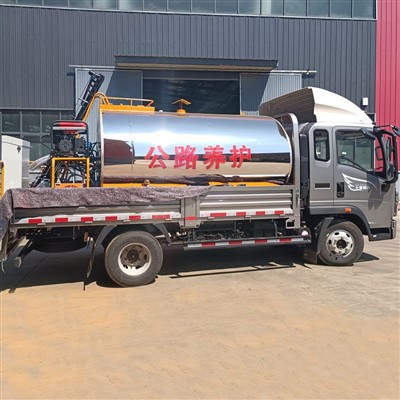
As a supplier of asphalt distributors, I've witnessed firsthand the widespread use of these machines in road construction and maintenance projects. Asphalt distributors play a crucial role in applying asphalt binders to the road surface, ensuring a smooth and durable driving experience. However, like any industrial equipment, their use has environmental impacts that need to be carefully considered. In this blog, I'll explore the various environmental effects associated with using an asphalt distributor and discuss some measures to mitigate these impacts.
Air Pollution
One of the most significant environmental impacts of using an asphalt distributor is air pollution. During the operation, asphalt is heated to high temperatures to make it fluid enough for spraying. This heating process releases volatile organic compounds (VOCs), particulate matter (PM), and other harmful pollutants into the atmosphere.
VOCs are a group of chemicals that can react with nitrogen oxides in the presence of sunlight to form ground - level ozone, a major component of smog. Ground - level ozone can cause respiratory problems, especially for people with asthma and other lung diseases. It can also damage crops and other vegetation.
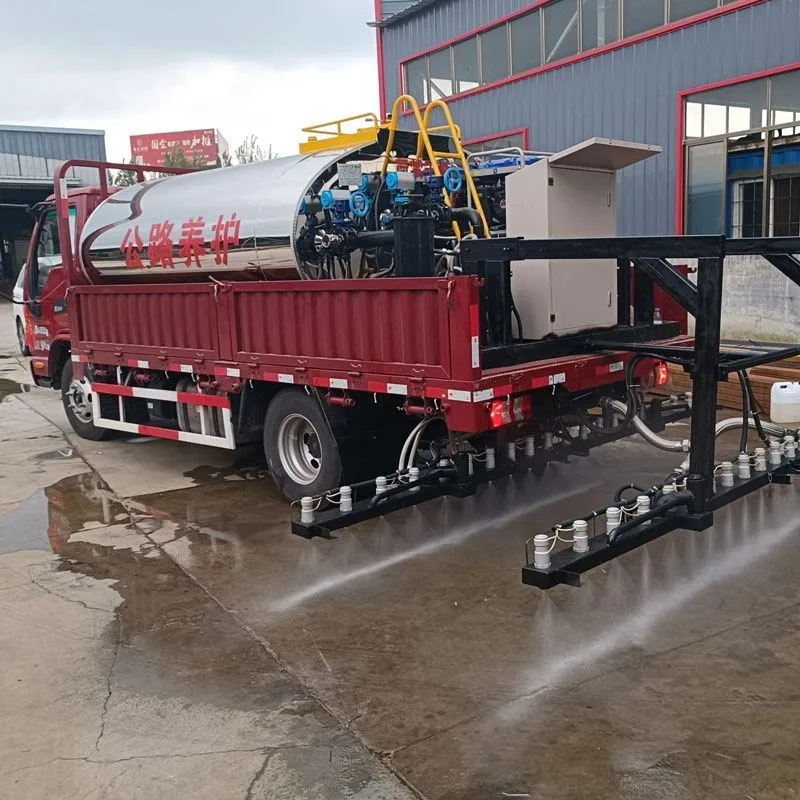

Particulate matter, including fine particles (PM2.5) and coarse particles (PM10), is another concern. These particles can be inhaled deep into the lungs and cause a variety of health issues, such as coughing, wheezing, and aggravated asthma. Long - term exposure to high levels of PM can even lead to heart and lung diseases.
To reduce air pollution from asphalt distributors, modern machines are often equipped with advanced emission control systems. For example, some Intelligent Asphalt Distributor models feature catalytic converters and particulate filters to trap and reduce the emission of pollutants. Additionally, using low - VOC asphalt binders can significantly decrease the release of harmful chemicals into the air.
Energy Consumption
Asphalt distributors require a substantial amount of energy to heat the asphalt and power the spraying system. Most of this energy comes from fossil fuels, such as diesel or gasoline, which contribute to greenhouse gas emissions and climate change.
The energy consumption of an asphalt distributor depends on several factors, including the size of the machine, the heating capacity, and the operating conditions. Larger distributors with higher heating requirements generally consume more energy.
To improve energy efficiency, manufacturers are constantly developing new technologies. Automatic Asphalt Distributor models often come with intelligent control systems that can adjust the heating and spraying parameters based on the actual needs of the project. This helps to minimize energy waste and reduce operating costs.
Waste Generation
Another environmental impact of using asphalt distributors is waste generation. During the cleaning and maintenance process, leftover asphalt and other residues need to be disposed of properly. If not managed correctly, these waste materials can contaminate soil and water sources.
Asphalt waste can also be a problem if it contains high levels of heavy metals or other contaminants. These substances can leach into the soil and groundwater over time, posing a threat to the environment and human health.
To address the issue of waste generation, proper waste management practices should be implemented. This includes collecting and recycling leftover asphalt whenever possible. Some asphalt distributors are designed with features that make it easier to collect and reuse the excess asphalt. Additionally, waste disposal should be carried out in accordance with local environmental regulations.
Noise Pollution
Asphalt distributors can generate significant noise during operation, which can be a nuisance to nearby residents and workers. The noise is mainly produced by the engine, the heating system, and the spraying mechanism.
Exposure to high levels of noise can cause hearing loss, stress, and other health problems. In addition, noise pollution can also disrupt the natural habitat of wildlife in the surrounding area.
To reduce noise pollution, manufacturers are using noise - reducing technologies in their asphalt distributors. For example, sound - insulating materials can be used to enclose the engine and other noisy components. Some Standard Asphalt Distributor models are also designed to operate at lower noise levels without sacrificing performance.
Water Pollution
Although less common, water pollution can also occur as a result of using asphalt distributors. If asphalt spills or leaks into nearby water bodies, it can contaminate the water and harm aquatic life. Asphalt contains various chemicals that can be toxic to fish, plants, and other organisms.
To prevent water pollution, proper spill prevention and response measures should be in place. This includes regular inspection and maintenance of the asphalt distributor to ensure that there are no leaks or spills. In case of a spill, quick - acting containment and cleanup procedures should be implemented to minimize the impact on the environment.
Mitigation Strategies
As a supplier, we are committed to helping our customers minimize the environmental impacts of using asphalt distributors. Here are some strategies that can be adopted:
- Choose the Right Equipment: Select an asphalt distributor that is energy - efficient and has low emissions. Consider models with advanced features such as intelligent control systems and emission control devices.
- Use Environmentally Friendly Materials: Opt for low - VOC asphalt binders and other environmentally friendly materials. These materials can significantly reduce air pollution and other environmental impacts.
- Implement Proper Maintenance: Regularly maintain the asphalt distributor to ensure that it is operating at peak efficiency. This includes checking for leaks, cleaning the filters, and servicing the engine.
- Train Operators: Provide comprehensive training to operators on the proper use and maintenance of the asphalt distributor. This can help to reduce energy consumption, prevent spills, and minimize environmental impacts.
- Adopt Best Practices: Follow industry best practices for waste management, spill prevention, and noise reduction. This can help to ensure that the use of asphalt distributors is as environmentally friendly as possible.
Conclusion
While asphalt distributors are essential for road construction and maintenance, their use does have environmental impacts. Air pollution, energy consumption, waste generation, noise pollution, and water pollution are some of the main concerns. However, with the development of new technologies and the implementation of proper mitigation strategies, these impacts can be minimized.
As a supplier, we are dedicated to providing our customers with high - quality asphalt distributors that are not only efficient and reliable but also environmentally friendly. If you are interested in learning more about our products or have any questions regarding the environmental impacts of using asphalt distributors, please feel free to contact us for further discussion and potential procurement opportunities.
References
- "Environmental Impact of Asphalt Paving Operations", Environmental Protection Agency.
- "Noise Pollution and Its Effects on Human Health", World Health Organization.
- "Energy Efficiency in Industrial Equipment", International Energy Agency.