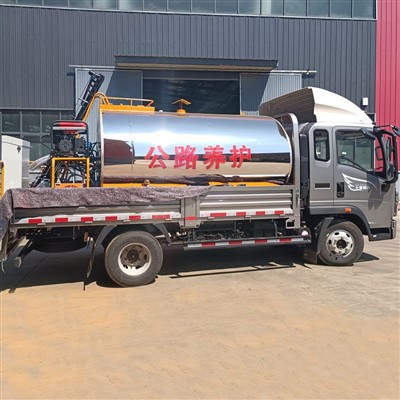
What are the common maintenance tasks for a bitumen melting plant?
As a seasoned supplier of Bitumen Melting Plant, I understand the critical importance of regular maintenance for these complex industrial setups. A well - maintained bitumen melting plant not only ensures efficient operation but also extends the lifespan of the equipment, reduces downtime, and enhances overall safety. In this blog, I'll delve into the common maintenance tasks that every bitumen melting plant owner or operator should be aware of.
Regular Inspection of the Heating System
The heating system is the heart of a bitumen melting plant. It is responsible for raising the temperature of bitumen to a workable consistency. One of the primary maintenance tasks is to check the burners regularly. Inspect the burner nozzles for any blockages or signs of wear. Clogged nozzles can lead to uneven heating, which may cause bitumen to overheat in some areas and remain too cold in others. This can affect the quality of the melted bitumen and potentially damage the plant.
In addition to the nozzles, examine the fuel supply lines. Look for any leaks, cracks, or signs of corrosion. A fuel leak can be extremely dangerous, as bitumen is a flammable substance. Ensure that all connections are tight and that the fuel filters are clean. Dirty filters can restrict the flow of fuel, reducing the efficiency of the burner and increasing the risk of breakdown.
The heating coils or heat exchangers also require close attention. Over time, they can accumulate deposits from the bitumen, which can insulate the coils and reduce their heat transfer efficiency. Regularly clean the heating coils to remove these deposits. This can be done using specialized cleaning agents or mechanical methods, depending on the type of deposits and the design of the coils.
Monitoring and Maintaining the Pumping System
The pumping system is responsible for transferring the melted bitumen from the melting chamber to storage tanks or other processing equipment. Regularly check the pumps for proper operation. Listen for any unusual noises, such as grinding or rattling, which may indicate a problem with the pump's bearings or impellers.


Inspect the pump seals to prevent leaks. A leaking seal can not only waste bitumen but also cause damage to the surrounding equipment. Replace any worn - out seals promptly. Additionally, check the pump's pressure and flow rate. A decrease in pressure or flow may suggest a blockage in the pipes or a problem with the pump itself.
The pipes and valves in the pumping system also need maintenance. Look for signs of corrosion or blockages in the pipes. Corroded pipes can weaken over time and may burst, leading to a significant spill. Valves should be inspected for proper operation. Ensure that they can open and close smoothly and that there are no leaks around the valve stems.
Cleaning and Maintaining the Storage Tanks
Storage tanks are an essential part of a bitumen melting plant. They store the melted bitumen until it is ready for use. Regularly clean the storage tanks to prevent the accumulation of sediment and other contaminants. Over time, bitumen can settle at the bottom of the tank, and debris can enter the tank during filling or other operations.
Use a high - pressure water jet or a specialized tank cleaning machine to remove the sediment. It's important to drain the tank completely before cleaning to ensure thorough removal of all deposits. After cleaning, inspect the tank for any signs of damage, such as cracks or corrosion. Repair any damage immediately to prevent leaks.
The tank's insulation should also be checked regularly. Good insulation helps to maintain the temperature of the bitumen and reduces energy consumption. If the insulation is damaged or worn, it should be replaced to ensure efficient operation of the tank.
Electrical System Maintenance
The electrical system in a bitumen melting plant powers all the equipment, from the heating elements to the pumps and control panels. Regularly inspect the electrical wiring for signs of damage, such as frayed wires or loose connections. These can pose a serious safety hazard, including the risk of electrical fires.
Check the electrical components, such as switches, relays, and circuit breakers. Ensure that they are functioning properly and that they can handle the electrical load. Replace any faulty components immediately. It's also important to test the grounding system to ensure that it provides adequate protection against electrical shocks.
The control panels, which regulate the operation of the plant, require special attention. Keep the control panels clean and free from dust and debris. Check the sensors and gauges for accuracy. Inaccurate sensors can lead to incorrect operation of the plant, such as overheating or under - melting of the bitumen.
Lubrication of Moving Parts
Many parts of a bitumen melting plant have moving components, such as motors, bearings, and gears. Proper lubrication is essential to reduce friction and wear on these parts. Follow the manufacturer's recommendations for the type and frequency of lubrication.
Over - lubrication can be just as harmful as under - lubrication. Too much lubricant can attract dirt and debris, which can cause damage to the moving parts. Use the correct amount of lubricant and ensure that it is evenly distributed.
Safety Equipment Maintenance
Safety is of utmost importance in a bitumen melting plant. Regularly inspect and maintain all safety equipment, such as fire extinguishers, emergency shut - off switches, and safety valves. Check the expiration date of fire extinguishers and ensure that they are fully charged.
Emergency shut - off switches should be easily accessible and in good working condition. Test them periodically to ensure that they can quickly stop the operation of the plant in case of an emergency. Safety valves are designed to relieve excess pressure in the system. Inspect them regularly to ensure that they can open and close properly.
Scheduled Maintenance and Record - Keeping
Implement a scheduled maintenance program for the bitumen melting plant. This should include regular inspections, cleaning, and preventive maintenance tasks. By following a schedule, you can catch potential problems before they become major issues.
Keep detailed records of all maintenance activities. Record the date of each inspection, the tasks performed, and any problems that were identified and resolved. This documentation can be valuable for future reference, especially when it comes to warranty claims or equipment upgrades.
In conclusion, maintaining a bitumen melting plant requires a comprehensive approach that covers all aspects of the equipment. By performing regular maintenance tasks, you can ensure the efficient and safe operation of the plant. If you're in the market for a reliable Bitumen Melting Plant, Asphalt Melting Plant, or Asphalt Melting Machine, we're here to provide you with high - quality products and expert advice. Feel free to reach out to us to discuss your specific requirements and start a procurement negotiation.
References
- Industrial Bitumen Processing Handbook
- Maintenance Guidelines for Asphalt and Bitumen Equipment Manufacturers