What are the effects of cationic emulsifiers on the oxidation stability of emulsions?
Emulsions are a crucial part of various industries, from food and cosmetics to construction materials like asphalt. The stability of these emulsions, especially their resistance to oxidation, is a significant concern. As a supplier of Cationic Emulsifier, I have witnessed firsthand the importance of understanding how cationic emulsifiers impact the oxidation stability of emulsions.
Understanding Emulsions and Oxidation
An emulsion is a mixture of two immiscible liquids, typically oil and water, where one liquid is dispersed in the other in the form of small droplets. Oxidation in emulsions occurs when the unsaturated components in the oil phase react with oxygen, leading to the formation of free radicals and subsequent degradation products. This oxidation process can cause a variety of negative effects, such as changes in flavor, odor, color, and texture in food emulsions, and reduced mechanical properties in asphalt emulsions.
Role of Cationic Emulsifiers
Cationic emulsifiers are surfactants that carry a positive charge. They work by adsorbing at the oil - water interface, reducing the surface tension between the two immiscible phases and preventing the coalescence of the dispersed droplets. This stabilizing effect is fundamental for the formation and maintenance of a stable emulsion.
In terms of oxidation stability, cationic emulsifiers can have both direct and indirect effects. Directly, some cationic emulsifiers may have antioxidant properties themselves. They can scavenge free radicals, which are the initiators of the oxidation process. For example, certain cationic surfactants with phenolic or amine groups can donate a hydrogen atom to a free radical, thus neutralizing it and preventing further propagation of the oxidation chain reaction.
Indirectly, cationic emulsifiers can influence the oxidation stability by altering the physical properties of the emulsion. The adsorption of cationic emulsifiers at the oil - water interface can create a barrier that restricts the diffusion of oxygen from the continuous phase (usually water) to the dispersed oil phase. A well - packed layer of cationic emulsifier molecules at the interface can act as a physical shield, reducing the contact between oxygen and the oxidizable components in the oil.
Impact on Different Types of Emulsions
Food Emulsions
In food emulsions, such as mayonnaise or salad dressings, oxidation can lead to rancidity, which is a major quality issue. Cationic emulsifiers can help extend the shelf - life of these products by improving oxidation stability. For instance, they can prevent the oxidation of unsaturated fatty acids present in the oil phase. By reducing the formation of off - flavors and odors associated with oxidation, cationic emulsifiers contribute to maintaining the sensory quality of the food product.
Asphalt Emulsions
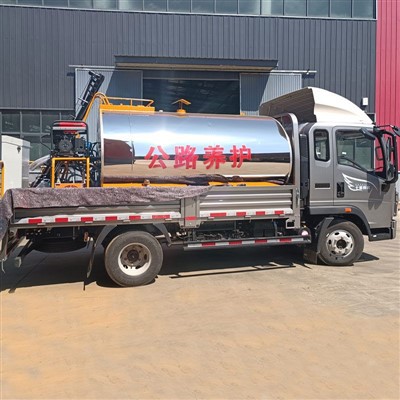
Asphalt emulsions are widely used in road construction and maintenance. Oxidation of asphalt can cause hardening and brittleness, which reduces the durability and performance of the pavement. Cationic emulsifiers play a vital role in enhancing the oxidation stability of asphalt emulsions. They can prevent the aggregation of asphalt particles and maintain the dispersion of the asphalt in the water phase. Moreover, by reducing the access of oxygen to the asphalt, they slow down the oxidation process, ensuring that the asphalt retains its flexibility and adhesion properties for a longer time.
Factors Affecting the Impact of Cationic Emulsifiers on Oxidation Stability
The effectiveness of cationic emulsifiers in improving oxidation stability is influenced by several factors.
Emulsifier Concentration
The concentration of the cationic emulsifier is a critical factor. At low concentrations, there may not be enough emulsifier molecules to form a complete and effective barrier at the oil - water interface. As a result, oxygen can still diffuse relatively easily to the oil phase, and the oxidation rate may not be significantly reduced. On the other hand, excessively high concentrations may lead to the formation of micelles in the continuous phase, which can actually increase the solubility of oxygen and other pro - oxidants, potentially accelerating the oxidation process.
Structure of the Emulsifier
The chemical structure of the cationic emulsifier also matters. Emulsifiers with longer hydrocarbon chains tend to form more tightly packed layers at the oil - water interface, providing a better physical barrier against oxygen diffusion. Additionally, the nature of the functional groups attached to the cationic head can affect the antioxidant activity. For example, a cationic emulsifier with a sterically hindered amine group may have a higher antioxidant capacity compared to one with a simple alkyl amine group.
Emulsion Composition
The composition of the emulsion, including the type of oil, the presence of other additives, and the pH of the continuous phase, can also impact the oxidation stability. Different oils have different degrees of unsaturation and susceptibility to oxidation. The presence of other additives, such as metal ions (which can catalyze oxidation) or other surfactants, can interact with the cationic emulsifier and either enhance or reduce its effectiveness. The pH of the continuous phase can affect the ionization state of the cationic emulsifier and its ability to adsorb at the oil - water interface.
Comparison with Other Types of Emulsifiers
When compared to anionic emulsifiers, which carry a negative charge, cationic emulsifiers may offer some advantages in terms of oxidation stability. Anionic emulsifiers can sometimes interact with metal ions in the emulsion, which can catalyze the oxidation process. In contrast, cationic emulsifiers are less likely to form complexes with metal ions in a way that promotes oxidation.
Anionic Bitumen Emulsion is a common alternative in the asphalt industry. However, cationic emulsifiers may provide better oxidation protection for asphalt emulsions. Cationic emulsions tend to have better adhesion to negatively charged aggregates (such as most types of rocks used in road construction), and the improved stability can also contribute to a more oxidation - resistant asphalt layer.
Emulsified Asphalt Liquid is another product where the choice of emulsifier is crucial. Cationic emulsifiers can enhance the long - term performance of emulsified asphalt by improving its oxidation stability, ensuring that the asphalt remains workable and effective over time.
Conclusion
In conclusion, cationic emulsifiers have a significant impact on the oxidation stability of emulsions. Their ability to act as antioxidants directly or indirectly through physical barrier formation makes them valuable additives in various industries. However, to fully harness their potential, it is essential to consider factors such as emulsifier concentration, chemical structure, and the overall composition of the emulsion.


As a supplier of Cationic Emulsifier, I understand the importance of providing high - quality products that can effectively improve the oxidation stability of emulsions. Whether you are in the food, cosmetics, or construction industry, our cationic emulsifiers can help you achieve better - performing and longer - lasting emulsions. If you are interested in learning more about our products or would like to discuss your specific requirements for emulsion stability, please feel free to reach out for a procurement consultation.
References
- McClements, D. J. (2005). Food Emulsions: Principles, Practice, and Techniques. CRC Press.
- Little, D. N., & Bhasin, A. (2007). Hot Mix Asphalt Materials, Mixture Design, and Construction. NAPA.
- Surfactant Science Series, Volume 185: Cationic Surfactants: Analytical and Biological Evaluation. Marcel Dekker.