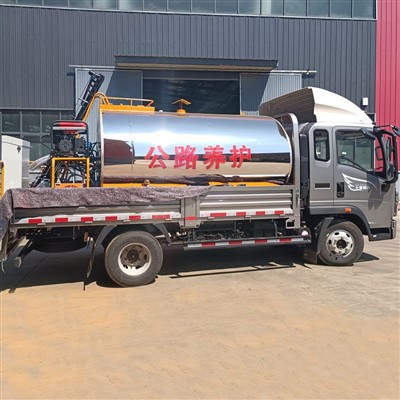
What are the electrical requirements for an Asphalt Distributor Tank?
As a reputable supplier of Asphalt Distributor Tank, I've witnessed firsthand the critical role that electrical systems play in the efficient and safe operation of these essential pieces of equipment. In this blog post, I'll delve into the key electrical requirements for an asphalt distributor tank, providing insights that can help you make informed decisions when it comes to purchasing and maintaining this equipment.
Power Supply
The first and most fundamental electrical requirement for an asphalt distributor tank is a reliable power supply. The power source must be capable of providing sufficient voltage and amperage to meet the demands of all the electrical components in the system. Most asphalt distributor tanks are designed to operate on either a single - phase or three - phase electrical supply, depending on the size and complexity of the unit.
For smaller, less complex asphalt distributor tanks, a single - phase power supply (usually 120V or 240V) may be sufficient. These units typically have fewer electrical components and lower power requirements. However, larger and more advanced models often require a three - phase power supply (such as 208V, 230V, or 480V) to power high - capacity pumps, heaters, and other energy - intensive components.
It's crucial to ensure that the power supply at your facility matches the requirements of the asphalt distributor tank. Incorrect voltage or insufficient amperage can lead to poor performance, overheating of electrical components, and even system failure. Before installation, consult with a qualified electrician to assess your power supply and make any necessary upgrades or adjustments.
Heating System
One of the most important electrical components in an asphalt distributor tank is the heating system. Asphalt needs to be maintained at a specific temperature to ensure proper flow and application. Electrical heating elements are commonly used to heat the asphalt in the tank.
These heating elements are typically rated in kilowatts (kW), and the total power requirement depends on the size of the tank and the desired heating rate. For example, a small asphalt distributor tank with a capacity of a few hundred gallons may require a heating system with a power rating of 5 - 10 kW, while a large industrial - scale tank could need 50 kW or more.
The heating system should also be equipped with a temperature control system. This system monitors the temperature of the asphalt in the tank and automatically adjusts the power to the heating elements to maintain the desired temperature. A reliable temperature control system helps prevent overheating, which can degrade the quality of the asphalt and pose a safety hazard.

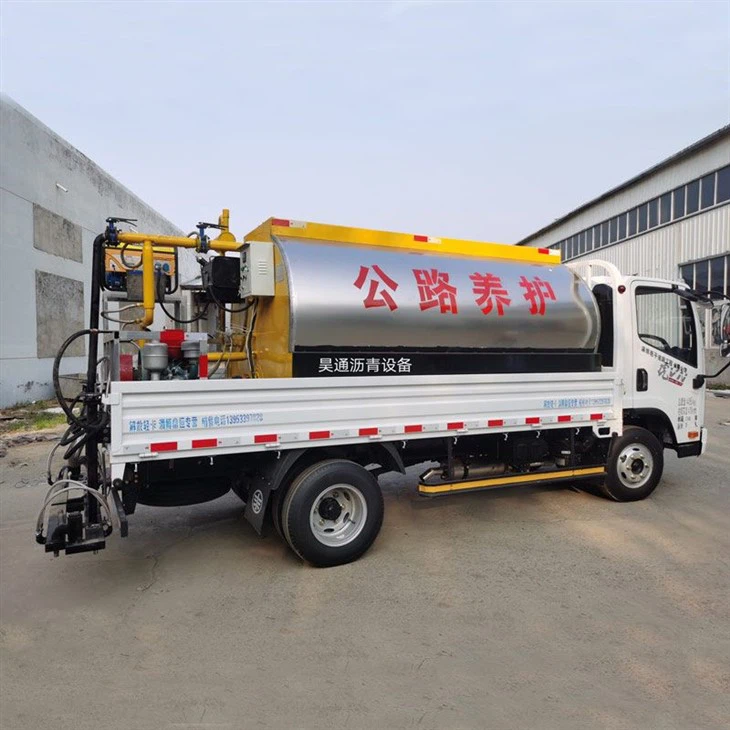
Pumping System
The pumping system is another critical part of the asphalt distributor tank, responsible for transferring the heated asphalt from the tank to the application area. Electric pumps are commonly used in asphalt distributor tanks, and their power requirements vary depending on the flow rate and pressure needed.
A typical electric pump for an asphalt distributor tank may have a power rating ranging from a few horsepower (HP) for small - scale applications to 20 HP or more for large - capacity, high - pressure systems. The pump motor must be properly sized to ensure efficient operation and to avoid overloading.
In addition to the pump motor, the pumping system may also include other electrical components such as control valves and sensors. These components require a stable power supply to function correctly and to ensure accurate control of the asphalt flow.
Control Panel
The control panel is the nerve center of the asphalt distributor tank, allowing operators to monitor and control various functions of the system. It typically includes switches, gauges, indicators, and a programmable logic controller (PLC) or other control device.
The control panel requires a low - voltage power supply, usually 12V or 24V DC, to operate the electronic components. However, it also needs to be connected to the main power supply to receive signals from sensors and to send commands to the heating and pumping systems.
A well - designed control panel should be easy to use and provide clear visual feedback to the operator. It should also be protected against electrical interference and environmental factors such as dust and moisture to ensure reliable operation.
Safety Systems
Safety is of utmost importance when operating an asphalt distributor tank, and electrical safety systems are an essential part of the overall design. These systems include features such as over - current protection, ground fault protection, and emergency stop buttons.
Over - current protection devices, such as circuit breakers or fuses, are installed in the electrical circuits to prevent damage to the equipment in case of a short - circuit or overloading. Ground fault protection helps detect and prevent electrical shocks by quickly shutting off the power when a ground fault is detected.
Emergency stop buttons are strategically located on the equipment to allow operators to immediately shut down the system in case of an emergency. These buttons are connected to the control panel and are designed to override all other functions of the system.
Lighting and Other Accessories
In addition to the main electrical components, an asphalt distributor tank may also be equipped with lighting and other accessories. Lighting is essential for safe operation, especially in low - light conditions or at night. LED lights are commonly used due to their energy efficiency and long lifespan.
Other accessories may include electrical sensors for level monitoring, flow rate measurement, and pressure sensing. These sensors provide valuable data to the control panel and help ensure the proper operation of the system.
Maintenance and Inspection
Regular maintenance and inspection of the electrical system in an asphalt distributor tank are crucial to ensure its safe and efficient operation. This includes checking the wiring for signs of damage or wear, testing the functionality of switches and sensors, and verifying the performance of the heating and pumping systems.
It's recommended to have a qualified electrician perform a comprehensive electrical inspection at least once a year. During the inspection, the electrician can identify any potential problems and make necessary repairs or replacements.
Conclusion
In conclusion, the electrical requirements for an asphalt distributor tank are complex and multifaceted. From the power supply to the heating, pumping, and control systems, each electrical component plays a vital role in the performance and safety of the equipment.
As a supplier of Asphalt Distributor Tank, we understand the importance of providing high - quality electrical systems that meet the specific needs of our customers. Our Automatic Asphalt Distributor and Intelligent Asphalt Distributor models are designed with state - of - the - art electrical components to ensure reliable and efficient operation.
If you're in the market for an asphalt distributor tank or need to upgrade your existing equipment, we invite you to contact us for a consultation. Our team of experts can help you determine the right electrical requirements for your application and provide you with a customized solution that meets your needs and budget.
References
- "Electrical Installation Guide for Industrial Equipment", National Electrical Contractors Association
- "Asphalt Paving Handbook", Asphalt Institute
- Manufacturer's manuals for asphalt distributor tanks and related electrical components