As a supplier of Cationic Emulsifiers, I've seen firsthand how these little chemical powerhouses play a crucial role in a wide range of applications. In this blog, I'm gonna break down the design principles for cationic emulsifiers in specific applications.
First off, let's quickly understand what a cationic emulsifier is. A cationic emulsifier is a type of surfactant that has a positive charge on its hydrophilic part. This positive charge gives it some unique properties compared to other types of emulsifiers like Anionic Emulsifier.
Design Principles for Road Construction
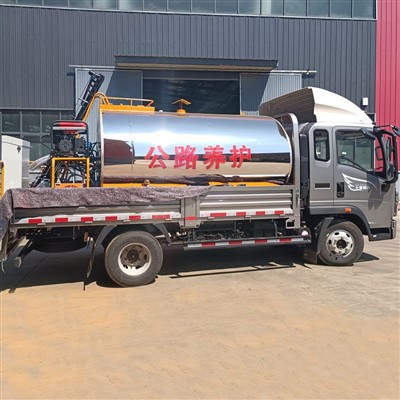
One of the most common applications of cationic emulsifiers is in road construction, especially in the production of Asphalt Emulsifier. When it comes to designing cationic emulsifiers for this application, there are a few key principles.
Adhesion to Aggregates
In road construction, the cationic emulsifier needs to ensure good adhesion between the asphalt and the aggregates (stones, sand, etc.). Since most aggregates have a negative surface charge, the positively charged cationic emulsifier is attracted to them. This electrostatic attraction helps in forming a strong bond between the asphalt and the aggregates, which is crucial for the durability of the road surface.
For example, when the asphalt emulsion is sprayed on the road, the cationic emulsifier helps the asphalt particles to stick firmly to the aggregates. This reduces the chances of the asphalt peeling off or getting washed away by rain or traffic.
Stability of the Emulsion
Another important principle is the stability of the asphalt emulsion. The emulsifier should prevent the asphalt droplets from coalescing (merging together) during storage and application. A stable emulsion ensures that the asphalt is evenly distributed throughout the mixture, which in turn leads to a more uniform road surface.
To achieve this, the cationic emulsifier should have the right balance of hydrophilic and hydrophobic groups. The hydrophilic part interacts with the water in the emulsion, while the hydrophobic part interacts with the asphalt. This balance helps in keeping the asphalt droplets dispersed in the water phase.
Setting Time
The setting time of the asphalt emulsion is also a critical factor. The cationic emulsifier can be designed to control the setting time according to the specific requirements of the road construction project. For instance, in some cases, a fast - setting emulsion may be needed to minimize traffic disruption. In other cases, a slower - setting emulsion may be preferred to allow more time for proper compaction.
Design Principles for the Textile Industry
Cationic emulsifiers are also widely used in the textile industry. Here are the main design principles for this application.
Softening and Antistatic Properties
In textile processing, cationic emulsifiers can be used to impart softening and antistatic properties to the fabrics. The positive charge of the emulsifier can interact with the negatively charged fibers, reducing the friction between them. This results in a softer feel of the fabric.
At the same time, the cationic emulsifier can help in dissipating static electricity. Static electricity can cause problems such as fabric clinging and attracting dust. By neutralizing the static charge, the emulsifier makes the fabric more comfortable to wear and easier to handle during processing.
Compatibility with Other Chemicals
Textile processing involves the use of various chemicals such as dyes, finishing agents, etc. The cationic emulsifier should be designed to be compatible with these other chemicals. Otherwise, it may cause problems such as precipitation, discoloration, or reduced effectiveness of the other chemicals.
For example, if the cationic emulsifier reacts with a dye, it may change the color of the fabric or reduce the dye's ability to bind to the fibers. So, careful consideration is needed when designing the emulsifier to ensure its compatibility with the entire textile processing system.
Emulsion Stability in Different Conditions
Textile processing may involve different temperatures, pH levels, and mechanical agitation. The cationic emulsifier should be able to maintain the stability of the emulsion under these varying conditions.


For instance, during the dyeing process, the temperature may be relatively high. The emulsifier should prevent the emulsion from breaking down at this elevated temperature. Similarly, if the pH of the processing solution is acidic or alkaline, the emulsifier should still keep the emulsion stable.
Design Principles for the Cosmetics Industry
The cosmetics industry also makes use of cationic emulsifiers in products such as creams, lotions, and hair conditioners. Let's look at the design principles for this application.
Skin and Hair Compatibility
When designing cationic emulsifiers for cosmetics, skin and hair compatibility is of utmost importance. The emulsifier should not cause any irritation or allergic reactions on the skin or scalp. It should also be able to interact well with the natural oils and proteins in the skin and hair.
For example, in a hair conditioner, the cationic emulsifier can help in detangling the hair by reducing the friction between the hair strands. It can also make the hair look shinier and feel softer.
Emulsion Stability and Texture
Cosmetic products need to have a stable emulsion and a pleasant texture. The cationic emulsifier should be able to form a stable emulsion that does not separate over time. It should also contribute to the desired texture of the product, whether it's a thick cream or a light lotion.
The emulsifier can be designed to control the viscosity of the emulsion. For a thick cream, an emulsifier that can form a more viscous emulsion may be used, while for a light lotion, a less viscous emulsion may be preferred.
Preservation and Shelf - Life
Cosmetic products need to have a long shelf - life to ensure their quality and safety. The cationic emulsifier can be designed to work in conjunction with preservatives to prevent the growth of microorganisms in the product.
For example, some cationic emulsifiers have inherent antibacterial properties, which can help in reducing the need for additional preservatives. This is beneficial for consumers who prefer more natural or minimally - preserved cosmetics.
Conclusion
In conclusion, the design principles for cationic emulsifiers vary depending on the specific application. Whether it's road construction, textile processing, or cosmetics, the key is to understand the unique requirements of each application and design the emulsifier accordingly.
If you're in need of high - quality Cationic Emulsifier for your specific application, feel free to reach out to us. We have a wide range of cationic emulsifiers that are designed to meet the diverse needs of different industries. Contact us for more information and to start a procurement discussion.
References
- "Surfactants in Consumer Products" by J. Falbe
- "Asphalt Emulsion Technology" by J. A. McDonald
- "Textile Chemical Processing" by P. K. Ghosh