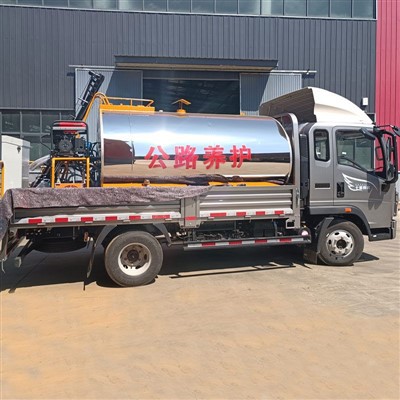
A rubber asphalt plant is a sophisticated industrial facility designed to produce rubber - asphalt, a high - performance paving material that combines the durability of asphalt with the flexibility and resilience of rubber. As a trusted supplier of rubber asphalt plants, I am well - versed in the main components that make up these essential production systems. In this blog, I will delve into the key elements of a rubber asphalt plant, explaining their functions and importance in the overall production process.
1. Aggregate Handling System
The aggregate handling system is the starting point of the rubber asphalt production process. Aggregates, such as crushed stone, sand, and gravel, are the primary solid components in rubber asphalt. This system typically includes the following sub - components:
- Stockpiles: Aggregates are stored in large stockpiles near the plant. These stockpiles are designed to ensure a continuous supply of materials to the plant. Different types of aggregates are kept separate to maintain the quality and consistency of the final product.
- Conveyors: Conveyor belts are used to transport the aggregates from the stockpiles to the drying drum. They are an efficient way to move large quantities of materials over relatively long distances. The speed and capacity of the conveyors are carefully selected based on the production requirements of the plant.
- Feeders: Aggregate feeders are responsible for controlling the flow of aggregates into the drying drum. They ensure that the correct amount of each type of aggregate is fed into the system, which is crucial for achieving the desired mix design.
2. Drying and Heating System
Once the aggregates are transported to the drying drum, the drying and heating system takes over. This system is essential for removing moisture from the aggregates and heating them to the appropriate temperature for mixing with asphalt and rubber.
- Drying Drum: The drying drum is a large, rotating cylinder where the aggregates are dried and heated. Hot gases, usually produced by a burner, flow through the drum in the opposite direction of the aggregate flow. As the aggregates tumble through the drum, the heat from the gases evaporates the moisture, and the aggregates reach the desired temperature.
- Burner: The burner is the heart of the drying and heating system. It burns fuel, such as natural gas, diesel, or propane, to generate the hot gases needed for the drying process. The burner's capacity and efficiency are critical factors in determining the overall energy consumption and production capacity of the plant.
- Exhaust System: The exhaust system is used to remove the moisture - laden air and combustion by - products from the drying drum. It typically includes a dust collector to capture any fine particles that may be carried along with the exhaust gases. This helps to meet environmental regulations and maintain a clean working environment.
3. Asphalt Storage and Handling System
Asphalt is another key component in rubber asphalt production. The asphalt storage and handling system ensures that the asphalt is stored at the correct temperature and delivered to the mixing unit in the right quantity.
- Asphalt Tanks: Asphalt is stored in large, insulated tanks to maintain its temperature. These tanks are equipped with heating coils or jackets to prevent the asphalt from solidifying. The capacity of the asphalt tanks is determined by the production requirements of the plant and the frequency of asphalt deliveries.
- Pumps and Pipelines: Asphalt pumps are used to transfer the asphalt from the storage tanks to the mixing unit. The pipelines are designed to withstand the high - temperature and high - viscosity of the asphalt. They are also insulated to minimize heat loss during the transfer process.
- Temperature Control System: A temperature control system is installed in the asphalt tanks and pipelines to ensure that the asphalt remains at the optimal temperature for mixing. This system monitors the temperature and adjusts the heating as needed.
4. Rubber Handling and Processing System
The rubber handling and processing system is unique to rubber asphalt plants. It is responsible for handling and preparing the rubber for mixing with the asphalt and aggregates.
- Rubber Storage: Rubber, usually in the form of crumb rubber or rubber powder, is stored in silos or storage bins. These storage facilities are designed to protect the rubber from moisture and contamination.
- Rubber Feeder: Similar to the aggregate feeders, the rubber feeder controls the flow of rubber into the mixing unit. It ensures that the correct amount of rubber is added to the asphalt - aggregate mixture to achieve the desired performance characteristics.
- Rubber Processing Equipment: In some cases, the rubber may need to be processed before mixing. This can include grinding, screening, or pre - treating the rubber to improve its compatibility with the asphalt. Specialized rubber processing equipment is used for these tasks.
5. Mixing System
The mixing system is where the heated aggregates, asphalt, and rubber are combined to form the rubber asphalt mixture.
- Mixing Unit: The mixing unit is a large, stationary or rotating chamber where the ingredients are thoroughly mixed. It uses paddles or blades to ensure that the asphalt, rubber, and aggregates are evenly distributed throughout the mixture. The mixing time and intensity are carefully controlled to achieve a homogeneous and high - quality rubber asphalt.
- Weighing System: A precise weighing system is used to measure the amount of each ingredient before it is added to the mixing unit. This ensures that the mix design is accurately followed, which is essential for the performance and durability of the rubber asphalt.
6. Storage and Loading System
After the rubber asphalt mixture is produced, it needs to be stored and loaded onto trucks for transportation to the paving site.
- Storage Silos: Rubber asphalt storage silos are used to store the finished mixture until it is ready to be loaded. They are insulated to maintain the temperature of the mixture and prevent it from hardening.
- Loading System: The loading system is responsible for transferring the rubber asphalt from the storage silos to the trucks. It can include conveyors, chutes, or loading hoppers. The loading process is designed to be efficient and minimize spillage.
7. Control and Monitoring System
The control and monitoring system is the brain of the rubber asphalt plant. It allows operators to control and monitor all aspects of the production process, ensuring that the plant operates safely, efficiently, and in accordance with the desired mix design.
- Automation System: Modern rubber asphalt plants are highly automated. The automation system uses sensors and controllers to regulate the operation of various components, such as the feeders, burners, pumps, and mixers. It can also adjust the production parameters in real - time based on feedback from the sensors.
- Monitoring Software: Monitoring software provides operators with a graphical interface to view and analyze the plant's performance. It displays information such as temperature, pressure, flow rates, and production output. Operators can use this information to detect and troubleshoot any issues that may arise during the production process.
Importance of High - Quality Components
Each of these components plays a vital role in the production of rubber asphalt. High - quality components are essential for ensuring the efficiency, reliability, and safety of the plant. They also contribute to the production of high - quality rubber asphalt, which is crucial for the performance and durability of the paved roads.
As a supplier of Rubber Asphalt Production Equipment, Rubber Modified Asphalt Equipment, and Rubber Colored Asphalt Equipment, we understand the importance of providing top - notch components. Our equipment is designed and manufactured using the latest technology and highest quality materials to meet the diverse needs of our customers.
Contact for Procurement
If you are in the market for a rubber asphalt plant or need to upgrade your existing equipment, we invite you to contact us for a detailed discussion. Our team of experts is ready to provide you with customized solutions based on your specific requirements. We can help you select the right components, design the optimal plant layout, and provide comprehensive after - sales support.


References
- Asphalt Institute. (20XX). "Mix Design and Production Guide for Rubber - Modified Asphalt".
- National Asphalt Pavement Association. (20XX). "Best Practices for Rubber Asphalt Production".