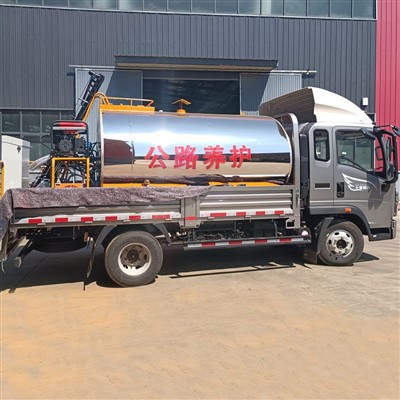
When operating a modified bitumen plant, understanding the transportation requirements is crucial for ensuring the efficient and safe delivery of the final product. As a supplier of a modified bitumen plant, I have witnessed firsthand the importance of these requirements in the asphalt industry. This blog post will delve into the various transportation aspects that need to be considered when dealing with a modified bitumen plant.
Product Characteristics and Their Impact on Transportation
Modified bitumen is a specialized product that combines bitumen with polymers or other additives to enhance its performance characteristics. These modifications can change the physical and chemical properties of the bitumen, such as its viscosity, elasticity, and temperature susceptibility. As a result, the transportation of modified bitumen requires careful consideration of these properties to maintain product quality.
One of the primary concerns is the temperature of the modified bitumen during transportation. Modified bitumen is typically transported at elevated temperatures to keep it in a fluid state. The specific temperature range depends on the type of modification and the product specifications. For example, some polymer - modified bitumens may need to be transported at temperatures between 160°C and 180°C. Maintaining this temperature is essential to prevent the bitumen from solidifying or separating, which could affect its performance.
Another characteristic to consider is the viscosity of the modified bitumen. Higher - viscosity modified bitumens may require more specialized transportation equipment, such as heated tankers with efficient agitation systems. These systems help to keep the bitumen well - mixed and prevent the formation of pockets of different viscosities within the tanker.
Transportation Equipment
Tankers
Heated tankers are the most common mode of transportation for modified bitumen. These tankers are designed to maintain the required temperature of the bitumen during transit. They are typically insulated to minimize heat loss and equipped with heating systems, such as steam coils or electric heaters.
The size of the tanker can vary depending on the quantity of modified bitumen to be transported. Smaller tankers may be used for local deliveries or for supplying smaller construction projects, while larger tankers are more suitable for long - distance transportation or large - scale projects. When choosing a tanker, it is important to ensure that it is certified for transporting hazardous materials, as modified bitumen is often classified as such.
Pumps and Hoses
Pumps and hoses are essential components of the transportation system. Pumps are used to transfer the modified bitumen from the plant to the tanker and from the tanker to the storage facility or application site. They need to be capable of handling the high - viscosity and high - temperature nature of the bitumen.
Hoses should be made of materials that can withstand the temperature and chemical properties of the modified bitumen. They also need to be properly insulated to prevent heat loss during the transfer process. Regular inspection and maintenance of pumps and hoses are necessary to ensure their proper functioning and to prevent leaks.
Regulatory Requirements
Safety Regulations
Transporting modified bitumen is subject to strict safety regulations. These regulations are in place to protect the environment, the transportation workers, and the general public. For example, tankers must be equipped with safety features such as pressure relief valves, emergency shut - off valves, and spill containment systems.


Workers involved in the transportation process must be trained in handling hazardous materials and following safety procedures. This includes wearing appropriate personal protective equipment (PPE), such as heat - resistant gloves and goggles.
Environmental Regulations
Environmental regulations also play a significant role in the transportation of modified bitumen. There are limits on the emissions of volatile organic compounds (VOCs) and other pollutants during the transportation process. Tankers may need to be equipped with emission control devices to meet these requirements.
In addition, proper waste management is essential. Any spills or waste generated during the loading, unloading, or transportation of modified bitumen must be handled in accordance with environmental regulations to prevent soil and water contamination.
Logistics and Planning
Route Planning
Route planning is an important aspect of transporting modified bitumen. Factors such as road conditions, traffic congestion, and distance need to be considered. Routes should be chosen to minimize travel time and reduce the risk of delays, as prolonged transportation can lead to temperature loss and potential product quality issues.
It is also important to consider the availability of rest areas and emergency response facilities along the route. In case of an emergency, such as a tanker breakdown or a spill, quick access to these facilities can help to minimize the impact.
Scheduling
Scheduling the transportation of modified bitumen is crucial to ensure a smooth supply chain. Coordination between the modified bitumen plant, the transportation company, and the end - user is necessary. The plant needs to produce the bitumen in a timely manner, and the transportation company needs to ensure that the tankers are available for loading and delivery at the right time.
End - users should also provide accurate information about their requirements, such as the quantity of bitumen needed and the delivery time. This helps to avoid over - or under - supply and ensures that the product is delivered when it is needed.
Quality Control During Transportation
Maintaining the quality of modified bitumen during transportation is essential. Regular monitoring of the temperature, viscosity, and other properties of the bitumen is necessary. This can be done using on - board sensors and sampling techniques.
If any deviations from the product specifications are detected, corrective actions should be taken immediately. For example, if the temperature of the bitumen drops below the required range, the heating system of the tanker can be adjusted to raise the temperature.
Conclusion
Transporting modified bitumen from a plant to the end - user requires careful consideration of various factors, including product characteristics, transportation equipment, regulatory requirements, logistics, and quality control. As a Polymer Modified Bitumen Plant supplier, we understand the importance of these requirements and can provide guidance and support to ensure that your modified bitumen is transported safely and efficiently.
Our Modified Asphalt Production Equipment and Asphalt Modified Equipment are designed to produce high - quality modified bitumen that meets the strictest industry standards. If you are in the market for a modified bitumen plant or have questions about the transportation requirements, we encourage you to contact us for a detailed discussion. We are committed to providing you with the best solutions for your asphalt production needs.
References
- "Transportation of Hazardous Materials: A Guide for the Asphalt Industry", American Asphalt Association
- "Safety and Environmental Regulations for Bitumen Transportation", International Bitumen Manufacturers Association
- "Quality Control in Modified Bitumen Production and Transportation", Journal of Asphalt Technology