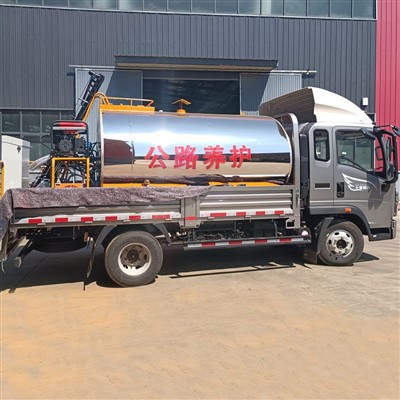
Hey there! As a supplier of Asphalt Distributor Tanks, I often get asked about the minimum asphalt temperature required for proper distribution from the tank. It's a crucial question because getting the temperature right is key to ensuring that the asphalt is distributed evenly and effectively on the road surface.


First off, let's understand why temperature matters so much. Asphalt is a viscous material, which means its consistency can change significantly based on temperature. When it's too cold, asphalt becomes thick and sticky, making it difficult to flow through the distribution system of the tank. This can lead to uneven spreading, clogging of nozzles, and overall poor performance of the Asphalt Distributor Truck. On the other hand, if the asphalt is too hot, it can become too thin, which might cause it to run off the road surface before it has a chance to set properly.
So, what's the magic number? Well, the minimum asphalt temperature for proper distribution typically ranges between 250°F (121°C) and 300°F (149°C). However, this can vary depending on several factors.
One of the main factors is the type of asphalt being used. There are different grades of asphalt, each with its own optimal temperature range for distribution. For example, some polymer - modified asphalts may require a slightly higher minimum temperature, around 300°F (149°C), to ensure that the polymers are fully activated and the asphalt has the right consistency for spreading. Regular penetration - grade asphalts, on the other hand, might work well at the lower end of the temperature range, around 250°F (121°C).
The ambient temperature also plays a big role. If it's a cold day, the asphalt will cool down more quickly once it's out of the tank. In such cases, it's a good idea to keep the asphalt at the higher end of the recommended temperature range to compensate for the rapid cooling. For instance, if the outside temperature is below freezing, aiming for a temperature closer to 300°F (149°C) can help ensure that the asphalt remains workable during distribution.
The design and efficiency of the Intelligent Asphalt Distributor Truck or Intelligent Asphalt Distributor also matter. A well - insulated tank and an efficient heating system can help maintain the desired asphalt temperature throughout the distribution process. Some of our intelligent distributors are equipped with advanced temperature control systems that can monitor and adjust the asphalt temperature in real - time, ensuring that it stays within the optimal range.
Now, let's talk about how to achieve and maintain the right temperature. Most asphalt distributor tanks come with heating systems. These can be either direct - fired heaters, where the heat is applied directly to the tank, or indirect - fired heaters, which use a heat transfer fluid to heat the asphalt. Direct - fired heaters are generally more efficient at raising the temperature quickly, but they require careful monitoring to prevent overheating. Indirect - fired heaters, on the other hand, provide a more gentle and even heat, which can be better for maintaining a consistent temperature.
Before starting the distribution process, it's important to pre - heat the asphalt in the tank to the appropriate temperature. This can take some time, depending on the size of the tank and the initial temperature of the asphalt. Once the asphalt reaches the desired temperature, it's crucial to keep it there during the entire distribution process. This might involve adjusting the heating system based on the rate of asphalt flow and the ambient conditions.
Another aspect to consider is the flow rate of the asphalt. If the flow rate is too high, the asphalt may not have enough time to be heated properly, resulting in a lower temperature at the point of distribution. On the other hand, if the flow rate is too low, the asphalt may overheat in the tank. Finding the right balance is essential for proper distribution.
In addition to temperature, the pressure in the distribution system also affects the quality of asphalt spreading. A consistent pressure helps ensure that the asphalt is sprayed evenly across the road surface. Our intelligent asphalt distributors are designed to maintain a stable pressure, which, combined with the right temperature, results in a high - quality distribution.
So, if you're in the market for an asphalt distributor tank, it's important to choose one that can effectively handle the temperature requirements of your asphalt. Our products are designed with the latest technology to ensure that you can achieve and maintain the optimal asphalt temperature for proper distribution. Whether you're working on a small local road project or a large - scale highway construction, our Asphalt Distributor Trucks and Intelligent Asphalt Distributors can meet your needs.
If you have any questions about the minimum asphalt temperature or our products, don't hesitate to reach out. We're here to help you make the right choice for your asphalt distribution needs. Whether you're a contractor, a government agency, or anyone involved in road construction, we can provide you with the best solutions and support. Contact us today to start a conversation about your project and how our asphalt distributor tanks can make a difference.
References
- "Asphalt Paving Handbook" by the Asphalt Institute
- Technical manuals of leading asphalt distributor manufacturers