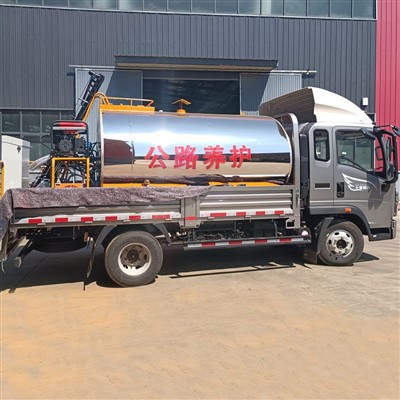
Hey there! I'm a supplier of Asphalt Heating Tanks, and I've seen firsthand how different factors can mess with these tanks' performance. One of those sneaky factors that doesn't get as much attention as it should is humidity. In this blog, I'll break down what humidity is, how it impacts Asphalt Heating Tanks, and what you can do about it.
Let's start with the basics. Humidity is just the amount of water vapor floating around in the air. It's measured as a percentage, and it can vary a ton depending on where you are and what the weather's like. High humidity means there's a lot of water vapor in the air, while low humidity means there's not much.
Now, you might be wondering, "Why does humidity matter for an Asphalt Heating Tank?" Well, asphalt is a pretty sensitive material, and water can really throw a wrench in the works. When there's high humidity, the water vapor in the air can condense on the surface of the asphalt and inside the tank. This can lead to a bunch of problems, like corrosion, reduced heating efficiency, and even changes in the asphalt's properties.
First off, let's talk about corrosion. When water comes into contact with the metal parts of the Asphalt Heating Tank, it can start a chemical reaction that eats away at the metal. This is especially true if the water has any impurities in it, like salt or acids. Over time, corrosion can weaken the tank's structure, making it more likely to leak or break down. This not only means costly repairs or replacements but also poses a safety risk.
Another issue is reduced heating efficiency. When water gets into the asphalt, it takes extra energy to heat it up. That's because water has a high specific heat capacity, which means it takes a lot of energy to raise its temperature. So, if there's a lot of water in the asphalt due to high humidity, the heating elements in the tank have to work harder and use more energy to get the asphalt to the right temperature. This can drive up your energy costs and slow down your production process.
Humidity can also change the properties of the asphalt itself. Asphalt is a complex mixture of hydrocarbons, and water can interfere with the chemical bonds between these molecules. This can make the asphalt softer or more brittle, depending on the conditions. For example, if the water evaporates quickly, it can leave behind pores in the asphalt, making it more porous and less durable. On the other hand, if the water stays in the asphalt for too long, it can cause the asphalt to swell and become more sticky. These changes in properties can affect the quality of the final product and make it less suitable for its intended use.
So, what can you do to protect your Asphalt Heating Tank from the effects of humidity? One option is to use a dehumidifier in the area where the tank is located. A dehumidifier works by removing water vapor from the air, reducing the humidity level. This can help prevent condensation from forming on the tank and in the asphalt. Make sure to choose a dehumidifier that's the right size for the space and has the appropriate capacity to handle the humidity levels in your area.
Another important step is to keep the tank properly sealed. Check the gaskets and seals around the tank regularly to make sure they're in good condition. If you notice any signs of wear or damage, replace them right away. A tight seal will help prevent water from getting into the tank in the first place.
You should also monitor the humidity levels in the area around the tank. You can use a hygrometer to measure the humidity, and keep an eye on the readings. If the humidity is consistently high, you may need to take additional measures, like increasing ventilation or using a moisture barrier.
In addition to these preventive measures, it's a good idea to invest in high-quality equipment. For example, if you're looking for related products, you might be interested in Anionic Bitumen Emulsion, which can be used in a variety of asphalt applications. There's also Rubber Colored Asphalt Equipment, which can enhance the performance and appearance of your asphalt products. And if you need a separate storage solution, the Bitumen Emulsion Tank is a great option.
At the end of the day, understanding the impact of humidity on your Asphalt Heating Tank is crucial for maintaining its performance and ensuring the quality of your asphalt products. By taking the right precautions and using the right equipment, you can minimize the negative effects of humidity and keep your operations running smoothly.
If you're in the market for an Asphalt Heating Tank or any of the related products I mentioned, I'd love to chat with you. I've got years of experience in the industry and can help you find the right solutions for your specific needs. Don't hesitate to reach out and start a conversation about your requirements. We can work together to make sure you get the best equipment and support for your business.
References


- ASTM International. (20XX). Standard Test Methods for Sampling Bituminous Materials. ASTM D140.
- National Asphalt Pavement Association. (20XX). Asphalt Handbook.