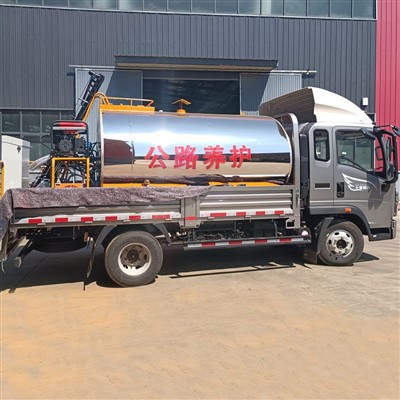
The loading capacity of a bitumen melting plant is a crucial factor that determines its efficiency and suitability for various applications. As a leading supplier of bitumen melting plants, I understand the significance of this parameter and its impact on our customers' operations. In this blog post, I will delve into the concept of loading capacity, its influencing factors, and how it relates to the performance of our bitumen melting plants.
Understanding Loading Capacity
The loading capacity of a bitumen melting plant refers to the maximum amount of bitumen that the plant can process within a specific period. It is typically measured in tons per hour (t/h) or kilograms per hour (kg/h). This capacity is a key indicator of the plant's productivity and is often a deciding factor for customers when choosing a bitumen melting plant.
A higher loading capacity means that the plant can melt and process more bitumen in less time, which is essential for large-scale projects or applications with high demand. On the other hand, a lower loading capacity may be sufficient for smaller projects or applications with less frequent use.
Factors Affecting Loading Capacity
Several factors can influence the loading capacity of a bitumen melting plant. Understanding these factors is crucial for optimizing the plant's performance and ensuring that it meets the specific requirements of each customer.
1. Heating System
The heating system is one of the most critical components of a bitumen melting plant. It is responsible for raising the temperature of the bitumen to its melting point and maintaining it at the desired level. The efficiency and power of the heating system directly affect the loading capacity of the plant.
A more powerful heating system can transfer heat to the bitumen more quickly, resulting in a higher melting rate and increased loading capacity. For example, our Asphalt Fast Melting Machine is equipped with a high-performance heating system that enables rapid melting of bitumen, significantly enhancing its loading capacity.
2. Tank Size
The size of the melting tank also plays a significant role in determining the loading capacity of a bitumen melting plant. A larger tank can hold more bitumen, allowing the plant to process a greater volume of material in each batch.
However, it is important to note that a larger tank may also require more energy to heat the bitumen, which can affect the overall efficiency of the plant. Therefore, it is essential to strike a balance between tank size and loading capacity to ensure optimal performance.
3. Bitumen Properties
The properties of the bitumen being processed can also impact the loading capacity of the plant. Different types of bitumen have different melting points and viscosities, which can affect the ease of melting and the flow rate of the material.
For example, bitumen with a higher melting point may require more energy and time to melt, resulting in a lower loading capacity. Similarly, bitumen with a higher viscosity may flow more slowly through the plant, reducing the overall processing speed.
4. Plant Design and Configuration
The design and configuration of the bitumen melting plant can also influence its loading capacity. A well-designed plant with an efficient layout and proper equipment can minimize heat loss, reduce processing time, and increase the overall productivity of the plant.


For instance, our Bitumen Melting Equipment is designed with advanced technology and innovative features to optimize the melting process and maximize the loading capacity.
Importance of Loading Capacity in Different Applications
The loading capacity of a bitumen melting plant is of utmost importance in various applications, including road construction, roofing, and waterproofing.
1. Road Construction
In road construction, bitumen is used as a binder to hold the aggregates together and provide a durable and smooth surface. The loading capacity of the bitumen melting plant directly affects the production rate of the asphalt mixture, which is crucial for meeting the project deadlines.
A higher loading capacity allows for a faster production of asphalt, enabling contractors to complete the road construction project more quickly and efficiently. This is particularly important for large-scale road projects where time is of the essence.
2. Roofing
In the roofing industry, bitumen is used as a waterproofing material to protect buildings from water damage. The loading capacity of the bitumen melting plant determines the amount of bitumen that can be processed and applied to the roof in a given time.
A higher loading capacity is essential for roofing contractors who need to complete large roofing projects within a short period. It allows them to work more efficiently and meet the demands of their customers.
3. Waterproofing
Bitumen is also widely used in waterproofing applications, such as basement waterproofing and tank lining. The loading capacity of the bitumen melting plant is crucial for ensuring a continuous supply of melted bitumen during the waterproofing process.
A higher loading capacity ensures that the waterproofing project can be completed without any interruptions, reducing the risk of water leakage and ensuring the long-term durability of the waterproofing system.
Choosing the Right Loading Capacity for Your Needs
When choosing a bitumen melting plant, it is essential to consider your specific requirements and the nature of your projects. Here are some factors to keep in mind:
1. Project Size
The size of your project is one of the most important factors to consider when determining the loading capacity of the bitumen melting plant. For small-scale projects, a plant with a lower loading capacity may be sufficient. However, for large-scale projects, a plant with a higher loading capacity is recommended to ensure timely completion.
2. Production Rate
The desired production rate is another crucial factor to consider. If you need to produce a large amount of melted bitumen in a short period, a plant with a higher loading capacity is necessary. On the other hand, if your production requirements are relatively low, a plant with a lower loading capacity may be more cost-effective.
3. Future Expansion
It is also important to consider your future expansion plans when choosing a bitumen melting plant. If you anticipate an increase in your production needs in the future, it may be wise to invest in a plant with a higher loading capacity to accommodate the growth.
Our Bitumen Melting Plants and Their Loading Capacities
At our company, we offer a wide range of bitumen melting plants with different loading capacities to meet the diverse needs of our customers. Our Asphalt Melting Machine is available in various models, each with a specific loading capacity ranging from [X] t/h to [Y] t/h.
Our experienced team of engineers can help you select the right bitumen melting plant based on your specific requirements and provide you with customized solutions to ensure optimal performance.
Conclusion
The loading capacity of a bitumen melting plant is a critical factor that can significantly impact its efficiency and suitability for different applications. By understanding the factors that affect loading capacity and choosing the right plant for your needs, you can ensure a smooth and productive operation.
If you are in the market for a bitumen melting plant, we invite you to contact us to discuss your requirements and explore our range of products. Our team of experts is ready to assist you in finding the perfect solution for your bitumen melting needs.
References
- [List of relevant industry reports, research papers, or technical documents related to bitumen melting plants and their loading capacities]