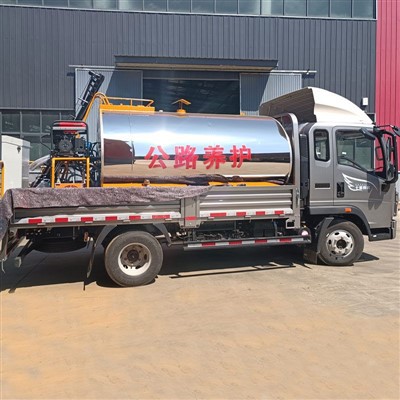
Hey there! I'm a supplier of emulsion bitumen plants, and I'm super stoked to walk you through the process of making bitumen emulsion in one of these plants. Bitumen emulsion is a game - changer in the road construction and maintenance industry, offering a more eco - friendly and user - friendly alternative to traditional hot bitumen.
Step 1: Raw Material Preparation
The first step in making bitumen emulsion is getting all the raw materials ready. We need two main ingredients: bitumen and water. Bitumen, which is a thick, sticky, and black semi - solid form of petroleum, is the key component that provides the binding properties in the emulsion. You gotta make sure the bitumen you use meets the required specifications for the intended application.
On the other hand, water is used as the continuous phase in the emulsion. It should be clean and free from any contaminants that could affect the quality of the emulsion. We also need an emulsifier, which is a special chemical that helps to keep the bitumen droplets dispersed in the water. There are different types of emulsifiers available, and the choice depends on factors like the type of bitumen, the required stability of the emulsion, and the application method.
Step 2: Heating the Bitumen
Once the raw materials are ready, we start heating the bitumen. Bitumen is usually stored in large tanks at a relatively low temperature. To make it fluid enough to be pumped and mixed, we heat it up to a specific temperature. This temperature can vary depending on the grade of bitumen, but it's typically in the range of 120 - 180 degrees Celsius.
We use specialized heating equipment in our Emulsion Bitumen Equipment to ensure that the bitumen is heated evenly and efficiently. Over - heating can cause the bitumen to degrade, which will affect the quality of the final emulsion, so we keep a close eye on the temperature.
Step 3: Preparing the Emulsifier Solution
While the bitumen is being heated, we prepare the emulsifier solution. We dissolve the emulsifier in water at a specific concentration. The concentration of the emulsifier solution is crucial because it determines how well the bitumen will be dispersed in the water. If the concentration is too low, the emulsion may not be stable, and the bitumen droplets may start to coalesce. If it's too high, it can increase the cost and may also have a negative impact on the performance of the emulsion.
We use mixing tanks to prepare the emulsifier solution. These tanks are equipped with agitators that ensure the emulsifier is completely dissolved in the water. Sometimes, we may also add other additives to the emulsifier solution, such as pH adjusters or stabilizers, to improve the properties of the emulsion.
Step 4: Mixing the Bitumen and Emulsifier Solution
Now comes the most critical step: mixing the heated bitumen and the emulsifier solution. We use a colloid mill, which is a high - shear mixing device. The colloid mill has a rotor and a stator, and the gap between them is very small. When the bitumen and the emulsifier solution are pumped through the colloid mill, the high - shear forces break the bitumen into tiny droplets and disperse them in the water.
The quality of the emulsion depends on the efficiency of the colloid mill. Our Fully Automatic Emulsified Asphalt Equipment is equipped with state - of - the - art colloid mills that can produce a very fine and stable emulsion. The temperature and flow rate of the bitumen and the emulsifier solution during the mixing process also need to be carefully controlled.
Step 5: Quality Control
After the mixing process, we conduct a series of quality control tests on the bitumen emulsion. We check parameters such as the particle size distribution of the bitumen droplets, the stability of the emulsion, and the viscosity. The particle size is important because it affects the setting time and the adhesion properties of the emulsion. A smaller particle size usually results in a faster - setting emulsion.
We use specialized testing equipment to perform these tests. If the emulsion does not meet the required specifications, we may need to adjust the process parameters, such as the concentration of the emulsifier solution or the operating conditions of the colloid mill, and then repeat the mixing process.
Step 6: Storage and Transportation
Once the bitumen emulsion passes the quality control tests, it is ready for storage and transportation. We store the emulsion in large tanks at a controlled temperature. The storage tanks are usually equipped with agitators to prevent the bitumen droplets from settling.
When it comes to transportation, we use tankers that are specifically designed for transporting bitumen emulsion. These tankers are insulated to maintain the temperature of the emulsion during transit. It's important to handle the emulsion carefully during storage and transportation to avoid any damage to the emulsion structure.
Step 7: Optional: Modification
In some cases, we may modify the bitumen emulsion to improve its performance. For example, we can add polymers to the emulsion to enhance its elasticity and durability. This is where our Modified Asphalt Emulsification Equipment comes in handy.
The modification process usually involves adding the polymer to the bitumen before or during the emulsification process. The polymer can be in the form of a powder or a liquid. After adding the polymer, we need to mix it thoroughly with the bitumen and the emulsifier solution to ensure a homogeneous emulsion.

Conclusion
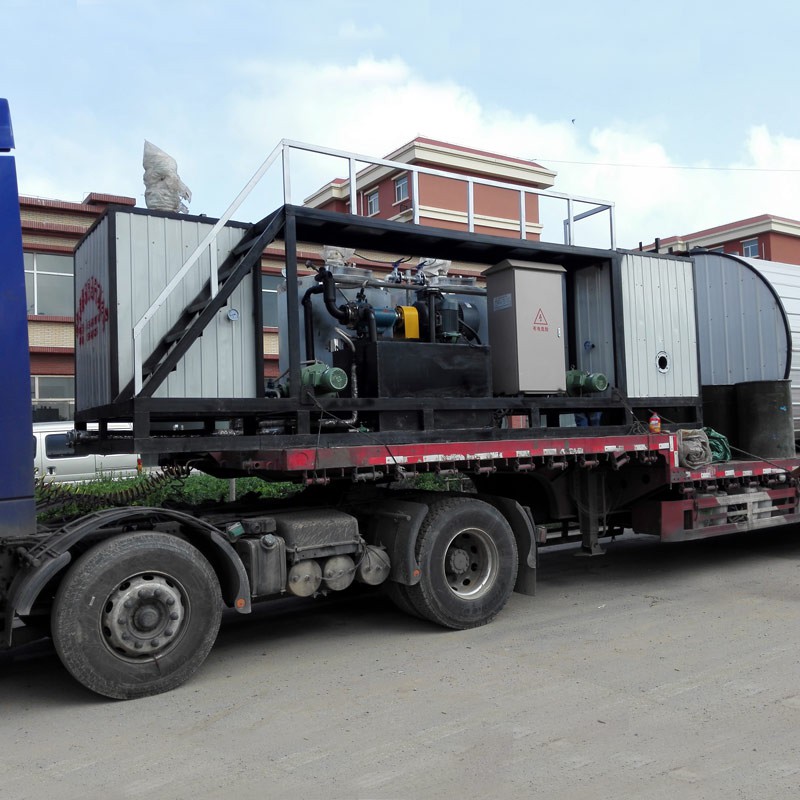
Making bitumen emulsion in an emulsion bitumen plant is a complex process that requires careful control of various parameters. But with the right equipment and expertise, we can produce high - quality bitumen emulsions that meet the needs of different applications.
If you're in the market for an emulsion bitumen plant or want to learn more about our products and services, I'd love to have a chat with you. Whether you're a road construction company, a maintenance contractor, or just someone interested in the asphalt industry, we can provide you with the solutions you need. Don't hesitate to reach out and start a conversation about your requirements.
References
- "Bitumen Emulsions: Fundamentals and Applications" by J. P. Crisp
- "Asphalt and Emulsion Technology Handbook" by the Asphalt Institute