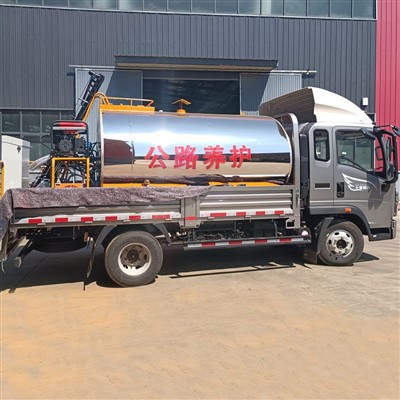
What is the production speed of an Emulsion Asphalt Plant?
As a supplier of Emulsion Asphalt Plants, I often encounter inquiries from clients about the production speed of these plants. Understanding the production speed is crucial for clients as it directly impacts project timelines, efficiency, and overall cost - effectiveness. In this blog, I will delve into the factors that influence the production speed of an Emulsion Asphalt Plant and provide a comprehensive overview.
Factors Affecting Production Speed
Plant Capacity
The most obvious factor is the design capacity of the Emulsion Asphalt Plant. Different models are engineered to produce varying volumes of emulsion asphalt per hour. For instance, smaller, entry - level plants might have a production capacity of around 5 - 10 tons per hour. These are suitable for small - scale projects such as local road repairs or small construction sites. On the other hand, large - scale industrial plants can produce upwards of 50 tons per hour or even more. These high - capacity plants are ideal for major infrastructure projects like highway construction or large - scale urban road networks. You can explore our range of Emulsion Asphalt Plant with different capacities to meet your specific needs.
Raw Material Supply
The availability and quality of raw materials play a significant role in determining production speed. Asphalt and emulsifiers are the primary raw materials. If there are disruptions in the supply of these materials, the production process will slow down. For example, if the asphalt supplier faces a delay in delivery, the plant will have to halt production until the new supply arrives. Additionally, the quality of the raw materials can affect the emulsification process. Low - quality asphalt or emulsifiers may require longer processing times to achieve the desired emulsion quality, thereby reducing the overall production speed.
Equipment Efficiency
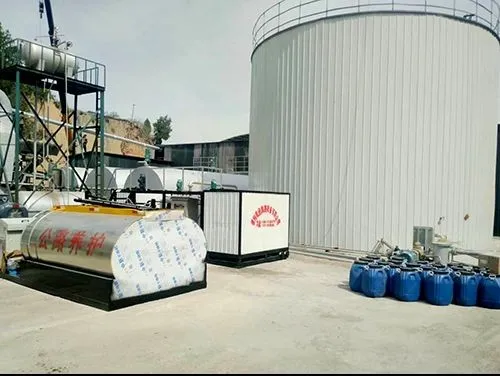
The efficiency of the equipment within the plant is another critical factor. Modern plants are equipped with advanced technology that can significantly increase production speed. For example, high - shear mixers are used to ensure proper emulsification of asphalt and water. A more efficient mixer can complete the emulsification process in a shorter time, leading to a higher production rate. Our Fully Automatic Emulsified Asphalt Equipment is designed with state - of - the - art technology to maximize equipment efficiency and boost production speed.

Operator Skill
The skill level of the plant operators also impacts production speed. Experienced operators are familiar with the plant's operation and can quickly troubleshoot any issues that may arise during the production process. They can optimize the settings of the equipment to achieve the best production results. In contrast, inexperienced operators may make mistakes, such as incorrect dosing of raw materials or improper adjustment of equipment parameters, which can lead to production delays. Therefore, providing proper training to operators is essential to maintain a high production speed.
Measuring Production Speed
Production speed is typically measured in tons per hour (t/h). This metric allows clients to easily compare different plants and estimate the amount of emulsion asphalt that can be produced within a given time frame. To calculate the production speed accurately, it is necessary to consider the time taken for all stages of the production process, including raw material loading, emulsification, and product discharge.
For example, if a plant produces 20 tons of emulsion asphalt in 2 hours, the production speed is 10 t/h. However, it is important to note that this is an average production speed. In real - world scenarios, the production speed may vary depending on the factors mentioned above.
Impact of Production Speed on Projects
Project Timeline
A higher production speed means that more emulsion asphalt can be produced in a shorter period. This is particularly important for large - scale projects with tight deadlines. For example, in a highway construction project, a fast - producing Emulsion Asphalt Plant can supply the required amount of emulsion asphalt in time, ensuring that the paving work can proceed smoothly. On the other hand, a slow - producing plant may cause delays in the project, leading to increased costs and potential penalties.
Cost - Effectiveness
Production speed also affects cost - effectiveness. A plant with a high production speed can spread the fixed costs (such as equipment depreciation, labor costs) over a larger volume of production. This results in a lower cost per ton of emulsion asphalt. Additionally, faster production can reduce the overall project duration, which in turn reduces the cost of project management and equipment rental.
Improving Production Speed
Regular Maintenance
Regular maintenance of the plant equipment is essential to ensure optimal performance. This includes cleaning, lubricating, and replacing worn - out parts. By keeping the equipment in good condition, the risk of breakdowns is reduced, and the production process can run smoothly. For example, cleaning the mixers regularly can prevent the build - up of residue, which can affect the mixing efficiency.
Process Optimization
Analyzing and optimizing the production process can also increase production speed. This may involve adjusting the dosing ratios of raw materials, optimizing the temperature and pressure settings during emulsification, and improving the flow of materials within the plant. Our Emulsion Bitumen Equipment is designed to be easily adjustable, allowing for process optimization to achieve the best production results.
Conclusion
The production speed of an Emulsion Asphalt Plant is influenced by multiple factors, including plant capacity, raw material supply, equipment efficiency, and operator skill. Understanding these factors is crucial for clients to make informed decisions when choosing an Emulsion Asphalt Plant. At our company, we offer a wide range of high - quality plants with different production capacities to meet the diverse needs of our clients. Whether you are working on a small - scale local project or a large - scale infrastructure development, we can provide you with the right solution.
If you are interested in learning more about our Emulsion Asphalt Plants or have specific requirements for your project, please feel free to contact us for a detailed discussion and procurement negotiation. We are committed to providing you with the best products and services to ensure the success of your projects.
References
- Asphalt Institute. (Year). “Emulsion Asphalt Technology Handbook”.
- National Asphalt Pavement Association. (Year). “Guide to Emulsion Asphalt Production and Use”.