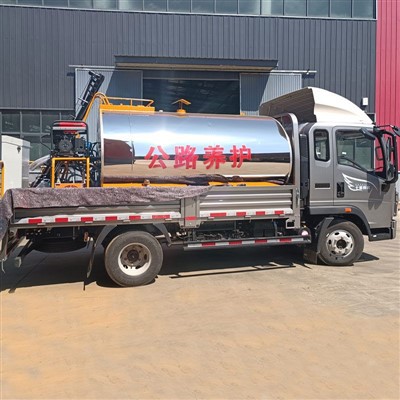
As a trusted supplier of bitumen melting machines, I understand the critical importance of ensuring these machines operate within safe and efficient temperature ranges. Over - heating in a bitumen melting machine can lead to a series of issues, from reduced equipment lifespan to potential safety hazards. In this blog, I will share the signs that indicate your bitumen melting machine might be over - heating, based on my years of experience in the industry.
1. Temperature Gauge Readings
One of the most straightforward signs of over - heating is an abnormal reading on the temperature gauge. Bitumen melting machines are equipped with temperature gauges to monitor the internal temperature accurately. Under normal operating conditions, the temperature should remain within a specific range, which is usually determined by the type of bitumen being melted and the machine's design specifications.
If you notice that the temperature gauge is consistently showing readings above the recommended range, it is a clear indication that the machine is over - heating. This could be due to several factors, such as a malfunctioning heating element, improper insulation, or a blocked ventilation system. For example, if the heating element is stuck in the "on" position, it will continue to generate heat even when the desired temperature has been reached, causing the temperature to rise uncontrollably.
2. Unusual Noises
Another sign of over - heating is the presence of unusual noises coming from the bitumen melting machine. When a machine over - heats, its components may expand due to the high temperature. This expansion can cause parts to rub against each other or create vibrations that result in strange noises.
For instance, you might hear a rattling, humming, or screeching sound. A rattling noise could indicate that loose parts are vibrating due to the excessive heat. A humming sound might suggest that the electrical components are under stress, which can be a result of over - heating. If you notice any such noises, it is crucial to shut down the machine immediately and investigate the cause to prevent further damage.
3. Burning Smell
A burning smell is a serious sign that your bitumen melting machine is over - heating. This smell can be caused by several factors, such as the over - heating of electrical wires, insulation materials, or the bitumen itself. If the electrical wires are exposed to high temperatures for an extended period, the insulation around them can melt, releasing a distinct burning odor.
Similarly, if the bitumen is over - heated, it can start to break down chemically, producing a foul - smelling smoke. In some cases, the burning smell might also be due to the lubricants used in the machine's moving parts. When these lubricants are exposed to high temperatures, they can degrade and emit a burning smell. If you detect a burning smell, it is essential to turn off the machine right away to avoid the risk of fire.
4. Reduced Efficiency
Over - heating can also lead to a significant reduction in the efficiency of the bitumen melting machine. When the machine operates at high temperatures, its components may not function optimally. For example, the heating element may become less effective, requiring more energy to melt the bitumen. This can result in longer melting times and increased energy consumption.
In addition, the quality of the melted bitumen may also be affected. Over - heated bitumen can have a different viscosity and chemical composition, which can impact its performance in various applications. If you notice that the machine is taking longer to melt the bitumen or if the quality of the melted bitumen has deteriorated, it could be a sign of over - heating.
5. Visual Inspection
A visual inspection of the bitumen melting machine can also reveal signs of over - heating. Look for any signs of discoloration on the machine's exterior or interior components. For example, if the metal parts of the machine are turning a dark color, it could indicate that they have been exposed to high temperatures.
You might also notice that the insulation materials are starting to peel or melt. This can be a clear indication that the machine is over - heating. In addition, check for any signs of leaks or damage to the hoses and pipes. High temperatures can cause these components to expand and contract, leading to cracks and leaks.
6. Impact on Bitumen Quality
Over - heating can have a detrimental effect on the quality of the bitumen. Bitumen is a complex mixture of hydrocarbons, and excessive heat can cause it to oxidize and break down. This can result in changes to its physical and chemical properties, such as a decrease in its ductility and an increase in its hardness.
When the bitumen is over - heated, it may also develop a skin on its surface, which can affect its ability to mix with other materials. This can be a significant problem, especially in applications where the bitumen needs to be used in combination with aggregates or other additives.
Preventive Measures
To prevent over - heating in your bitumen melting machine, it is essential to follow some preventive measures. Regular maintenance is key. This includes cleaning the machine regularly to remove any debris or buildup that could block the ventilation system. Check the heating elements, temperature sensors, and other components for signs of wear and tear and replace them as needed.
Proper installation is also crucial. Make sure the machine is installed in a well - ventilated area with enough space around it to allow for proper air circulation. Follow the manufacturer's instructions carefully when operating the machine, and avoid overloading it with more bitumen than it is designed to handle.
Conclusion
Recognizing the signs of over - heating in a bitumen melting machine is essential for ensuring its safe and efficient operation. By paying attention to temperature gauge readings, unusual noises, burning smells, reduced efficiency, and conducting visual inspections, you can detect over - heating issues early and take appropriate action to prevent further damage.
As a leading supplier of Bitumen Melting Equipment, Asphalt Melting Plant, and Bitumen Melting Plant, we are committed to providing high - quality products and reliable after - sales service. If you have any questions about bitumen melting machines or need assistance with over - heating issues, please feel free to contact us. Our team of experts is always ready to help you find the best solutions for your needs.


References
- Industry standards and guidelines for bitumen melting machines
- Manufacturer's manuals and technical specifications
- Years of practical experience in the bitumen melting machine industry