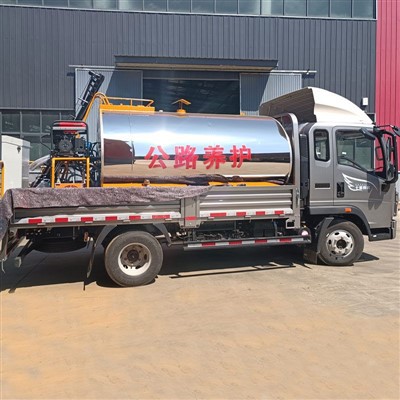
What is the Weight of an Asphalt Distributor Tank?
As a supplier of Asphalt Distributor Tanks, I often receive inquiries about the weight of these essential pieces of equipment. Understanding the weight of an Asphalt Distributor Tank is crucial for various reasons, including transportation, installation, and overall operational efficiency. In this blog post, I will delve into the factors that influence the weight of an Asphalt Distributor Tank and provide insights to help you make informed decisions.
Factors Affecting the Weight of an Asphalt Distributor Tank
The weight of an Asphalt Distributor Tank can vary significantly depending on several key factors. Let's explore these factors in detail:
- Tank Capacity: One of the primary determinants of the tank's weight is its capacity. Larger tanks designed to hold more asphalt will naturally be heavier than smaller ones. The volume of asphalt that a tank can store directly correlates with its weight, as asphalt itself is a dense and heavy material. For example, a small Asphalt Distributor Tank with a capacity of 500 gallons will weigh less than a large tank with a capacity of 5,000 gallons.
- Material of Construction: The material used to construct the Asphalt Distributor Tank also plays a significant role in its weight. Common materials include steel, aluminum, and fiberglass. Steel is a popular choice due to its strength and durability, but it is also relatively heavy. Aluminum, on the other hand, is lighter than steel but may not be as strong. Fiberglass is a lightweight alternative that offers corrosion resistance but may not be suitable for all applications.
- Design and Structure: The design and structure of the tank can impact its weight. Tanks with additional features such as insulation, baffles, or reinforcement may weigh more than basic models. These features are often added to improve the tank's performance, safety, or longevity but can contribute to an increase in weight.
- Accessories and Fittings: The inclusion of accessories and fittings, such as pumps, valves, hoses, and meters, can add to the overall weight of the Asphalt Distributor Tank. These components are essential for the proper functioning of the tank but can vary in weight depending on their size, material, and complexity.
Calculating the Weight of an Asphalt Distributor Tank
To calculate the weight of an Asphalt Distributor Tank, you need to consider the factors mentioned above. Here is a general formula that can be used as a starting point:
Weight of Tank = (Volume of Asphalt x Density of Asphalt) + Weight of Tank Material + Weight of Accessories and Fittings
The density of asphalt typically ranges from 70 to 80 pounds per cubic foot, depending on its composition and temperature. The weight of the tank material can be determined by multiplying the volume of the material by its density. The weight of accessories and fittings can be obtained from the manufacturer's specifications.
It's important to note that this formula provides an estimate and may not account for all variables. For a more accurate calculation, it is recommended to consult with the manufacturer or a professional engineer.
Importance of Knowing the Weight of an Asphalt Distributor Tank
Understanding the weight of an Asphalt Distributor Tank is essential for several reasons:
- Transportation: The weight of the tank affects its transportation requirements. It is important to ensure that the transportation vehicle has the capacity to carry the tank safely and legally. Overloading a vehicle can lead to safety hazards and legal issues.
- Installation: The weight of the tank also impacts its installation process. It is necessary to have the proper equipment and infrastructure in place to handle the tank's weight during installation. This may include cranes, forklifts, or other lifting devices.
- Operational Efficiency: Knowing the weight of the tank can help optimize its operational efficiency. It allows for proper planning of fuel consumption, tire loading, and overall vehicle performance. Additionally, understanding the weight distribution of the tank can help prevent uneven wear and tear on the vehicle's components.
Our Asphalt Distributor Tanks
At our company, we offer a wide range of Asphalt Distributor Tanks designed to meet the diverse needs of our customers. Our tanks are available in various capacities, materials, and designs to ensure optimal performance and reliability.
We understand the importance of providing accurate weight information to our customers. That's why we work closely with our engineering team to calculate the weight of each tank based on its specific configuration. This allows our customers to make informed decisions and plan their projects accordingly.
In addition to our standard Asphalt Distributor Tanks, we also offer Intelligent Asphalt Distributor Trucks and Intelligent Asphalt Distributors that incorporate advanced technology and features for enhanced performance and efficiency.


Conclusion
In conclusion, the weight of an Asphalt Distributor Tank is influenced by several factors, including its capacity, material of construction, design, and accessories. Understanding the weight of the tank is crucial for transportation, installation, and operational efficiency. By knowing the weight, you can make informed decisions and ensure the safe and effective use of the tank.
If you are in the market for an Asphalt Distributor Tank or have any questions about our products, please feel free to contact us. Our team of experts is ready to assist you with your procurement needs and provide you with the information you need to make the right choice.
References
- Asphalt Institute. (2023). Asphalt Handbook.
- National Asphalt Pavement Association. (2023). Asphalt Pavement Technology.
- Manufacturer's specifications for Asphalt Distributor Tanks.