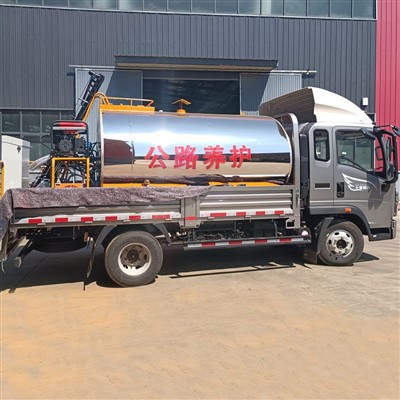
In the realm of industrial chemistry, cationic emulsifiers play a pivotal role in a wide range of applications, from asphalt road construction to personal care products. As a leading supplier of Cationic Emulsifier, I'm often asked about the raw materials used in their production. In this blog post, I'll delve into the key components that go into making these essential chemical agents.
Understanding Cationic Emulsifiers
Before we explore the raw materials, it's important to understand what cationic emulsifiers are and how they work. Emulsifiers are substances that help mix two immiscible liquids, such as oil and water, by reducing the surface tension between them. Cationic emulsifiers, specifically, carry a positive charge on their hydrophilic (water - loving) end. This positive charge allows them to interact effectively with negatively charged surfaces, making them ideal for applications where strong adhesion is required.
Key Raw Materials
Fatty Amines
One of the primary building blocks of cationic emulsifiers is fatty amines. Fatty amines are organic compounds derived from natural fats and oils. They consist of a long hydrocarbon chain (the fatty part) attached to an amine group (-NH₂). The length of the hydrocarbon chain can vary, typically ranging from 8 to 22 carbon atoms.
The source of fatty amines can be either vegetable oils, such as coconut oil, palm oil, or animal fats. Coconut oil, for example, is a popular choice due to its high content of medium - chain fatty acids. These fatty amines are then further modified through processes like ethoxylation or quaternization to enhance their emulsifying properties.
Quaternized fatty amines, in particular, are widely used in cationic emulsifiers. Quaternization involves the addition of an alkyl group to the nitrogen atom of the amine, resulting in a positively charged quaternary ammonium salt. This salt form gives the emulsifier its cationic nature and improves its solubility and stability in water.
Quaternary Ammonium Compounds
Quaternary ammonium compounds (QACs) are another important class of raw materials for cationic emulsifiers. These compounds are formed by the reaction of a tertiary amine with an alkyl halide or an alkyl sulfate. QACs have four organic groups attached to a positively charged nitrogen atom, which gives them excellent emulsifying and antimicrobial properties.
In the production of cationic emulsifiers, QACs are often used as active ingredients. They can be formulated with different alkyl chain lengths and functional groups to achieve specific performance characteristics. For example, long - chain QACs are more effective in stabilizing oil - in - water emulsions, while short - chain QACs may have better solubility and dispersibility.
Polyamines
Polyamines are polymers that contain multiple amine groups. They are used in cationic emulsifiers to provide additional functionality, such as increased viscosity and improved adhesion. Polyamines can be synthesized from various monomers, including ethylene diamine and diethylene triamine.
The structure of polyamines allows them to form strong bonds with both oil and water molecules, enhancing the stability of the emulsion. They can also interact with negatively charged surfaces, such as asphalt particles in road construction applications, to improve the adhesion of the emulsion to the surface.
Surfactant Blends
In addition to the above - mentioned raw materials, cationic emulsifiers often contain surfactant blends. Surfactants are substances that lower the surface tension between two phases. By combining different types of surfactants, manufacturers can optimize the performance of the emulsifier for specific applications.
For example, a blend of a cationic surfactant with a non - ionic surfactant can improve the stability of the emulsion over a wide range of pH values. Non - ionic surfactants, which do not carry an electrical charge, can help reduce the sensitivity of the cationic emulsifier to changes in the ionic strength of the solution.
Applications and the Role of Raw Materials
The choice of raw materials in cationic emulsifiers is closely related to their applications. In the asphalt industry, for instance, cationic emulsifiers are used to produce Anionic Bitumen Emulsion. The fatty amines and quaternary ammonium compounds in the emulsifier help to disperse the bitumen droplets in water and ensure good adhesion to the aggregate particles. This results in a more durable and flexible asphalt pavement.
In the personal care industry, cationic emulsifiers are used in products such as hair conditioners and skin creams. The positive charge of the emulsifier allows it to attach to the negatively charged hair or skin surface, providing conditioning and moisturizing effects. The raw materials, such as fatty amines and polyamines, contribute to the smoothness and softness of the final product.


Comparison with Anionic Emulsifiers
It's worth comparing cationic emulsifiers with Anionic Emulsifier. Anionic emulsifiers carry a negative charge on their hydrophilic end. The raw materials used in anionic emulsifiers are typically based on sulfates, sulfonates, or carboxylates.
While anionic emulsifiers are effective in many applications, cationic emulsifiers have some unique advantages. Cationic emulsifiers are more compatible with negatively charged surfaces, which makes them better suited for applications where strong adhesion is required. They also have better antimicrobial properties, which can be beneficial in certain industries, such as personal care and water treatment.
Quality Control and Raw Material Sourcing
As a supplier of cationic emulsifiers, we place a high emphasis on quality control. The quality of the raw materials directly affects the performance of the final product. We source our raw materials from reputable suppliers who adhere to strict quality standards.
Before using any raw material in the production process, we conduct thorough testing to ensure its purity, chemical composition, and physical properties. This includes tests for moisture content, acidity, and the presence of impurities. By maintaining high - quality raw materials, we can produce cationic emulsifiers that meet the diverse needs of our customers.
Conclusion
The production of cationic emulsifiers involves a careful selection of raw materials, each playing a crucial role in the performance of the final product. Fatty amines, quaternary ammonium compounds, polyamines, and surfactant blends are the key components that contribute to the emulsifying, stabilizing, and adhesion properties of cationic emulsifiers.
Whether you're in the asphalt industry, personal care, or any other field that requires the use of emulsifiers, understanding the raw materials is essential for making informed decisions. As a trusted supplier of Cationic Emulsifier, we are committed to providing high - quality products that are tailored to your specific requirements.
If you're interested in learning more about our cationic emulsifiers or have any questions regarding their raw materials and applications, please don't hesitate to contact us. We're here to assist you in finding the best emulsifier solutions for your projects.
References
- Paul Becher, "Emulsions: Theory and Practice", Third Edition, Oxford University Press.
- R. J. Hunter, "Foundations of Colloid Science", Volume 1, Oxford University Press.
- Kirk - Othmer Encyclopedia of Chemical Technology, Wiley.