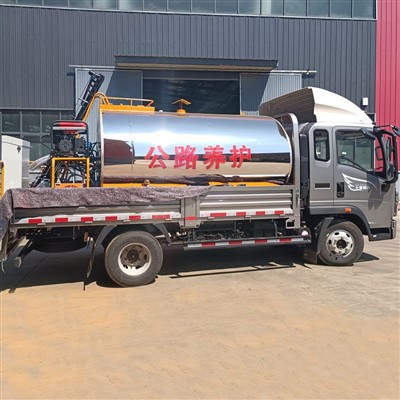
When it comes to operating bitumen melting equipment, safety should always be the top priority. As a reputable supplier of Asphalt Melting Machine, Asphalt Melting Equipment, and Asphalt Fast Melting Machine, we understand the importance of ensuring that operators are well - informed about the necessary safety measures. In this blog, we will delve into the key safety precautions that should be taken during the operation of bitumen melting equipment.
Pre - operation Safety Checks
Before starting the bitumen melting equipment, a series of pre - operation checks are essential. First and foremost, inspect the equipment thoroughly for any visible signs of damage, such as cracks in the melting tank, loose connections in the heating system, or worn - out electrical cables. Any damaged parts should be repaired or replaced immediately to prevent potential hazards.
Check the level of bitumen in the storage tank. Overfilling can lead to spills, which are not only wasteful but also pose a significant safety risk. Ensure that the tank has proper ventilation to prevent the accumulation of harmful fumes. The ventilation system should be inspected regularly to make sure it is functioning correctly.
Verify that all safety devices, such as pressure relief valves, temperature sensors, and emergency stop buttons, are in good working condition. These devices are crucial for preventing over - pressurization, overheating, and other dangerous situations. Conduct a test of the emergency stop button to ensure that it can quickly halt the operation of the equipment in case of an emergency.


Personal Protective Equipment (PPE)
Operators of bitumen melting equipment must wear appropriate personal protective equipment at all times. This includes heat - resistant gloves to protect hands from burns when handling hot bitumen or hot parts of the equipment. Safety goggles are necessary to shield the eyes from splashes of molten bitumen, which can cause severe eye injuries.
A heat - resistant apron or coveralls should be worn to protect the body from direct contact with hot bitumen and to prevent clothing from catching fire. Steel - toed boots are also essential to protect the feet from falling objects and hot bitumen spills. In addition, a respirator may be required if there is a risk of inhaling fumes or dust during the melting process.
Heating System Safety
The heating system of bitumen melting equipment is a critical component that requires special attention. Use only approved heating methods and fuels. For example, if the equipment uses a gas - fired heating system, ensure that the gas supply is properly regulated and that there are no gas leaks. Gas leaks can lead to explosions or fires, so it is important to conduct regular leak checks using a gas detector.
Monitor the temperature of the bitumen closely during the melting process. Overheating can cause the bitumen to degrade, release toxic fumes, and even catch fire. Set the temperature control system accurately and use temperature sensors to continuously monitor the temperature. If the temperature exceeds the safe limit, the heating system should be automatically shut down.
Handling and Transfer of Bitumen
When handling and transferring molten bitumen, extreme caution must be exercised. Use appropriate transfer equipment, such as pumps and hoses, that are designed for handling hot bitumen. Inspect the transfer equipment regularly for leaks and damage.
During the transfer process, ensure that the receiving container or storage tank is clean and dry. Any water or moisture in the container can cause the bitumen to foam and splatter when it comes into contact with the hot bitumen. This can lead to burns and other injuries.
When filling or emptying the bitumen melting equipment, make sure that the equipment is stable and that there are no obstructions around it. Do not overfill the transfer hoses or pipes, as this can cause pressure build - up and potential leaks.
Fire Prevention
Bitumen is a flammable material, so fire prevention is of utmost importance. Keep a fire extinguisher nearby that is suitable for extinguishing bitumen fires. Train all operators on how to use the fire extinguisher correctly.
Eliminate all sources of ignition in the vicinity of the bitumen melting equipment. This includes open flames, smoking, and electrical sparks. Ensure that the electrical system of the equipment is properly grounded to prevent static electricity from causing a fire.
Have a fire emergency plan in place. This plan should include procedures for evacuating the area in case of a fire, as well as steps for containing and extinguishing the fire. Conduct regular fire drills to ensure that all operators are familiar with the emergency plan.
Maintenance and Cleaning
Regular maintenance and cleaning of the bitumen melting equipment are essential for its safe operation. Schedule routine maintenance checks to inspect the equipment's components, lubricate moving parts, and replace worn - out parts.
Clean the equipment regularly to remove any bitumen residues. Bitumen residues can accumulate over time and pose a fire hazard. Use appropriate cleaning agents and methods to clean the equipment safely. Avoid using flammable solvents for cleaning, as this can increase the risk of fire.
Training and Education
All operators of bitumen melting equipment should receive comprehensive training on its safe operation. The training should cover topics such as equipment operation, safety procedures, emergency response, and maintenance. Provide operators with written safety manuals and guidelines that they can refer to at any time.
Encourage operators to ask questions and report any safety concerns immediately. Regularly update the training program to incorporate new safety information and best practices.
Conclusion
Operating bitumen melting equipment safely requires a combination of proper pre - operation checks, the use of personal protective equipment, careful handling of bitumen, fire prevention measures, regular maintenance, and comprehensive training. By following these safety measures, operators can minimize the risk of accidents and ensure the smooth and safe operation of the equipment.
As a leading supplier of Asphalt Melting Machine, Asphalt Melting Equipment, and Asphalt Fast Melting Machine, we are committed to providing high - quality equipment and valuable safety information to our customers. If you are interested in purchasing our bitumen melting equipment or have any questions about safety measures, please feel free to contact us for further discussion and procurement negotiation.
References
- Bitumen Safety Handbook, Industry Standard Publication
- Occupational Safety and Health Administration (OSHA) Guidelines for Hot Bitumen Handling
- Manufacturer's Manuals for Bitumen Melting Equipment