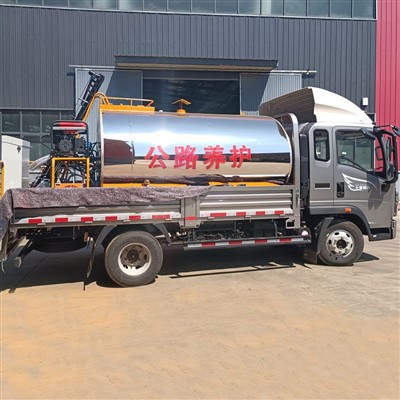
Hey there! I'm a supplier of Bitumen Melting Plants, and today I'm gonna break down the main components of these plants. Bitumen, also known as asphalt in some parts of the world, is a crucial material in the construction industry, especially for road building. A well - functioning bitumen melting plant plays a vital role in ensuring that bitumen is melted and ready for use efficiently.
Storage Tanks
Let's start with the storage tanks. These are like the big warehouses of the bitumen melting plant. They are designed to hold large quantities of bitumen in its solid or semi - solid state. The size of the storage tanks can vary depending on the capacity of the plant. Some smaller plants might have tanks that can hold a few tons, while larger industrial - scale plants can have tanks with capacities of hundreds of tons.
The material used to make these tanks is usually steel because it's strong and can withstand the weight of the bitumen. The tanks are also insulated to prevent heat loss. This is super important because we don't want the bitumen to cool down and solidify again before it's ready to be used. Insulation helps maintain the temperature of the bitumen inside the tank, which saves energy in the long run.
Heating System
The heating system is the heart of the bitumen melting plant. Its job is to raise the temperature of the bitumen from its solid or semi - solid state to a liquid state so that it can be pumped and used. There are different types of heating systems available.
One common type is the direct heating system. In this system, a burner is used to heat the bitumen directly. The burner can use different fuels like oil, gas, or even coal. The heat is transferred to the bitumen through a heat exchanger or by direct contact. However, direct heating systems need to be carefully controlled because overheating can cause the bitumen to degrade, which affects its quality.
Another type is the indirect heating system. Here, a heat transfer medium, like hot oil or steam, is used to heat the bitumen. The heat transfer medium is heated in a separate boiler and then circulated around the bitumen storage tank or through a heat exchanger. This method provides more uniform heating and reduces the risk of overheating. If you're interested in learning more about the equipment related to this, you can check out Bitumen Melting Equipment.
Pumping System
Once the bitumen is melted, we need a way to move it around the plant and to where it's needed. That's where the pumping system comes in. The pumps are responsible for transferring the liquid bitumen from the storage tank to other parts of the plant, like the mixing unit or to a tanker for transportation.
There are different types of pumps used in bitumen melting plants. Centrifugal pumps are commonly used for low - viscosity bitumen. They work by using a rotating impeller to create a centrifugal force that moves the bitumen. For high - viscosity bitumen, positive displacement pumps are a better choice. These pumps work by trapping a fixed amount of bitumen and then forcing it out of the pump chamber. The pumping system needs to be reliable because any breakdown can halt the entire operation of the plant.
Mixing Unit
The mixing unit is where the magic happens. In many cases, we don't just use pure bitumen. We might need to add other additives or modifiers to improve its properties. The mixing unit ensures that these additives are evenly distributed throughout the bitumen.


The mixing unit usually consists of a large tank with a powerful agitator. The agitator rotates at high speeds to mix the bitumen and the additives thoroughly. This is important because if the additives are not mixed properly, the quality of the final product will be affected. For example, if we're adding polymers to improve the bitumen's elasticity, an uneven mix can result in some parts of the bitumen having better properties than others. If you're looking for a machine that can handle this process, take a look at Asphalt Melting Machine.
Control System
The control system is like the brain of the bitumen melting plant. It monitors and controls all the processes in the plant. It keeps an eye on things like the temperature of the bitumen, the pressure in the pipes, and the level of bitumen in the storage tank.
Modern control systems are usually computer - based. They use sensors to collect data from different parts of the plant and then use this data to make adjustments. For example, if the temperature of the bitumen in the storage tank starts to drop, the control system can increase the heat output of the heating system. This ensures that the plant operates efficiently and safely.
Filtration System
Before the bitumen is used, it needs to be clean. The filtration system removes any impurities or solid particles from the bitumen. These impurities can come from the raw bitumen or from the additives that we add.
The filtration system usually consists of one or more filters. These filters can be made of different materials, like mesh or paper. The bitumen is passed through the filters, and the solid particles are trapped. This is important because impurities can clog the pumps and pipes in the plant and can also affect the quality of the final product.
Safety Equipment
Safety is always a top priority in any industrial plant, and bitumen melting plants are no exception. There are several safety equipment and features in a bitumen melting plant.
Fire suppression systems are essential. Since bitumen is a flammable material, there's always a risk of fire. Fire suppression systems can include sprinklers, foam generators, or dry chemical extinguishers. These systems are designed to quickly put out any fires that might occur.
There are also safety valves and pressure relief devices. These are installed in the pipes and tanks to prevent over - pressurization. If the pressure inside a tank or pipe gets too high, the safety valve will open and release the pressure, which prevents explosions.
Conclusion
So, there you have it - the main components of a bitumen melting plant. Each component plays a crucial role in the overall operation of the plant. From the storage tanks that hold the bitumen to the safety equipment that keeps everyone safe, every part needs to work together seamlessly.
If you're in the market for a Bitumen Melting Plant, or if you have any questions about the components or how they work, don't hesitate to reach out. We're here to help you find the right solution for your needs. You can also explore more about Bitumen Melting Plant on our website.
References
- "Bitumen Technology and Refining" - A comprehensive guide on bitumen properties and processing.
- Industry standards and regulations related to bitumen melting plants.