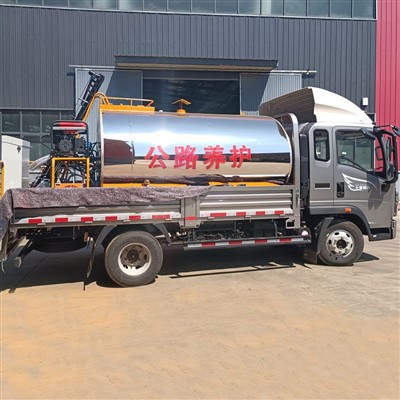
As a trusted supplier of Bitumen Emulsion Plants, I understand the critical role emulsifiers play in the production of high - quality bitumen emulsions. Bitumen emulsions are a mixture of bitumen (asphalt), water, and an emulsifier. The emulsifier is the key ingredient that stabilizes the mixture, preventing the bitumen droplets from coalescing and separating from the water phase. In this blog, we will explore which emulsifiers are suitable for a bitumen emulsion plant.
Types of Emulsifiers for Bitumen Emulsion Plants
Anionic Emulsifiers
Anionic emulsifiers are widely used in bitumen emulsion plants. These emulsifiers have a negative charge on their hydrophilic end. They are typically derived from fatty acids, rosin acids, or lignosulfonates.
Fatty acid - based anionic emulsifiers, such as sodium or potassium salts of fatty acids, are popular due to their relatively low cost and good emulsifying properties. They work well in producing slow - setting bitumen emulsions. The slow - setting nature is beneficial for applications like surface dressing, where the emulsion needs to remain stable for a longer time before breaking.
Rosin acid - based anionic emulsifiers offer better adhesion properties compared to fatty acid - based ones. They are often used in applications where strong bonding between the bitumen and the aggregate is required, such as in micro - surfacing.
Lignosulfonates are by - products of the pulp and paper industry. They are cost - effective and can be used to produce medium - setting bitumen emulsions. These emulsions are suitable for applications like soil stabilization, where a moderate setting time is desired.
Cationic Emulsifiers
Cationic emulsifiers carry a positive charge on their hydrophilic end. They are usually based on amines, diamines, or polyamines. Cationic emulsifiers have several advantages over anionic ones.
One of the main advantages is their rapid setting time. Cationic bitumen emulsions break quickly when they come into contact with aggregates, which is ideal for applications like tack coats. A tack coat is a thin layer of bitumen emulsion applied between two layers of asphalt to ensure good bonding. The fast - setting property of cationic emulsions allows for quicker construction progress.
Cationic emulsifiers also have better adhesion to negatively charged aggregates, such as most natural aggregates. This results in a stronger bond between the bitumen and the aggregate, enhancing the durability of the asphalt pavement.
Non - ionic Emulsifiers
Non - ionic emulsifiers do not carry an electrical charge. They are typically based on polyoxyethylene compounds. Non - ionic emulsifiers are known for their excellent stability over a wide range of pH values.
They are often used in combination with anionic or cationic emulsifiers to improve the overall performance of the bitumen emulsion. For example, in some cases, adding a small amount of non - ionic emulsifier can enhance the stability of the emulsion during storage and transportation. Non - ionic emulsifiers are also suitable for applications where the emulsion needs to be compatible with other chemicals or additives.
Factors to Consider When Selecting Emulsifiers
Application Requirements
The intended application of the bitumen emulsion is the most important factor in choosing an emulsifier. As mentioned earlier, slow - setting emulsions produced with anionic emulsifiers are suitable for surface dressing, while fast - setting cationic emulsions are ideal for tack coats. For applications like cold - mix asphalt production, the emulsifier should be able to provide good workability and a reasonable setting time.
Aggregate Type
The type of aggregate used in the asphalt mixture also influences the choice of emulsifier. Cationic emulsifiers are generally preferred when using negatively charged aggregates, as they provide better adhesion. However, if the aggregate has a high calcium carbonate content or is positively charged, anionic emulsifiers may be more suitable.
Storage and Transportation Conditions
The stability of the bitumen emulsion during storage and transportation is crucial. Non - ionic emulsifiers or a combination of different emulsifiers can be used to improve the emulsion's stability over a long period. Emulsions need to withstand temperature variations, agitation during transportation, and storage time without breaking or separating.
Cost
Cost is always a consideration in any industrial process. Anionic emulsifiers, especially those derived from lignosulfonates, are generally more cost - effective compared to cationic emulsifiers. However, the cost - effectiveness should be evaluated in the context of the overall performance and the specific requirements of the project.
Our Bitumen Emulsion Plant Equipment
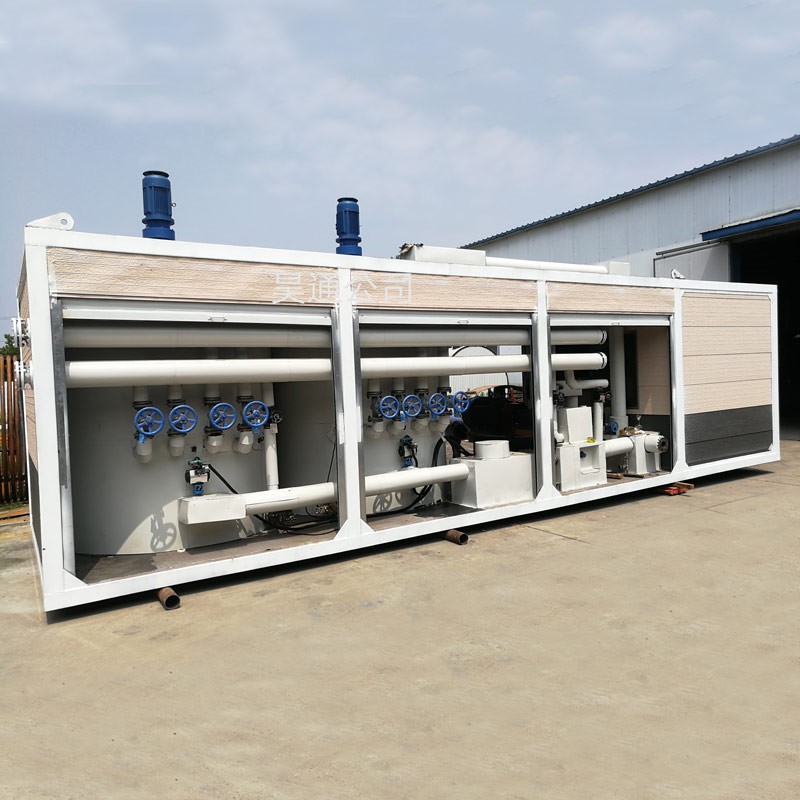
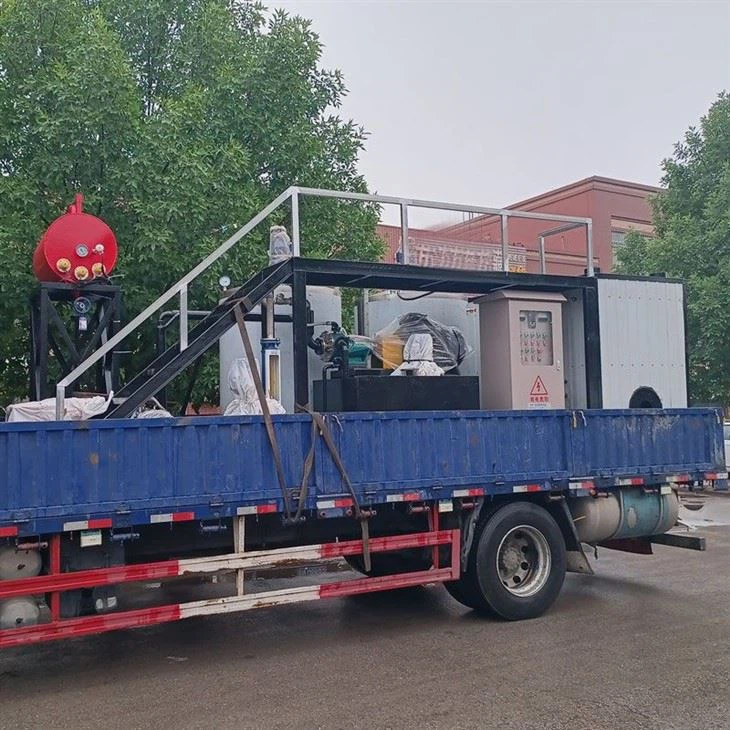
At our company, we offer a range of state - of the - art equipment for bitumen emulsion production. Our Fully Automatic Emulsified Asphalt Equipment is designed to provide high - efficiency and precise control over the emulsification process. It can handle different types of emulsifiers and bitumen, ensuring the production of consistent and high - quality bitumen emulsions.
Our Modified Asphalt Emulsification Equipment is suitable for producing modified bitumen emulsions, which can further enhance the performance of the asphalt pavement. This equipment allows for the incorporation of various additives and polymers, in combination with the right emulsifiers, to meet specific project requirements.
In addition, our Emulsion Asphalt Plant is a comprehensive solution that integrates all the necessary components for bitumen emulsion production. It is designed for easy operation, maintenance, and scalability, making it suitable for both small - scale and large - scale production.
Conclusion
Selecting the right emulsifier for a bitumen emulsion plant is a complex decision that depends on various factors such as application requirements, aggregate type, storage and transportation conditions, and cost. Anionic, cationic, and non - ionic emulsifiers each have their own unique properties and advantages. By understanding these properties and carefully considering the project requirements, you can choose the most suitable emulsifier for your bitumen emulsion production.
If you are interested in our bitumen emulsion plant equipment or need more information about emulsifiers and bitumen emulsion production, please feel free to contact us for a detailed discussion and procurement negotiation. We are committed to providing you with the best solutions for your asphalt production needs.
References
- “Asphalt Emulsions: Fundamentals and Applications” by G. A. Collop and D. A. Smith.
- “Bitumen and Bituminous Mixtures: Basic Principles and Engineering Use” by H. W. Prowell and M. W. Kandhal.