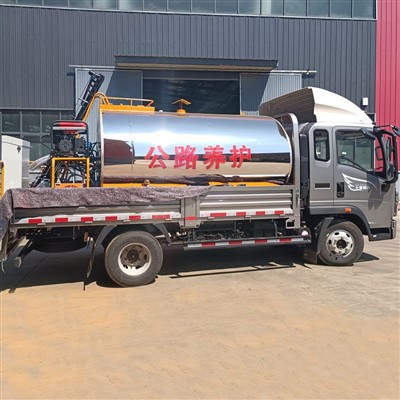
In the operation of a bitumen melting plant, one of the most critical decisions is choosing the right fuel. As a trusted supplier of Asphalt Melting Plant, we understand the importance of this choice. The economic efficiency of a bitumen melting plant is significantly influenced by the type of fuel used. In this blog, we will explore different fuels and analyze which one is more economical for a bitumen melting plant.
Common Fuels for Bitumen Melting Plants
1. Natural Gas
Natural gas is a popular choice for many industrial applications, including bitumen melting plants. It is a relatively clean - burning fuel, which means it produces fewer emissions compared to some other fuels. This is not only beneficial for the environment but also helps plants comply with strict environmental regulations.
In terms of cost, natural gas prices can be relatively stable in some regions. The infrastructure required to use natural gas, such as pipelines and storage facilities, may have an initial investment cost. However, once the infrastructure is in place, the cost of transporting and storing natural gas is often lower compared to other fuels. For bitumen melting plants, natural gas can provide a consistent heat source, which is crucial for maintaining a stable melting process.
2. Diesel
Diesel is a well - known fuel in the industrial sector. It has a high energy density, which means it can release a large amount of heat per unit volume. This makes it suitable for bitumen melting plants that require a high - intensity heat source.
The advantage of diesel is its availability. It can be easily transported and stored in tanks, which is convenient for plants located in areas where natural gas pipelines are not accessible. However, diesel prices are often more volatile compared to natural gas. They are also subject to fluctuations in the global oil market. Additionally, diesel combustion produces more pollutants such as particulate matter and nitrogen oxides, which may lead to higher environmental compliance costs.
3. Heavy Fuel Oil
Heavy fuel oil is another option for bitumen melting plants. It is a by - product of the crude oil refining process and is relatively inexpensive compared to diesel. Heavy fuel oil has a high viscosity, which requires pre - heating before it can be used in the combustion process.
The use of heavy fuel oil can be cost - effective in the short term. However, it has some significant drawbacks. Heavy fuel oil combustion produces a large amount of pollutants, including sulfur dioxide, which is a major contributor to air pollution. This requires the installation of expensive pollution control equipment to meet environmental standards. The maintenance cost of equipment using heavy fuel oil is also relatively high due to the potential for clogging and corrosion.
Economic Analysis
1. Fuel Cost
The most obvious factor in determining the economic viability of a fuel is its cost. As mentioned earlier, natural gas often has a more stable price compared to diesel and heavy fuel oil. In regions where natural gas is abundant, the cost per unit of energy can be significantly lower. For example, in areas with large natural gas reserves, the cost of natural gas may be as low as half of the cost of diesel on an energy - equivalent basis.
Heavy fuel oil, on the other hand, is generally the cheapest fuel in terms of raw material cost. However, when considering the additional costs associated with pollution control and equipment maintenance, its overall cost - effectiveness may be reduced. Diesel is usually the most expensive fuel among the three, especially during periods of high oil prices.
2. Energy Efficiency
Energy efficiency is another important aspect of the economic analysis. Natural gas has a relatively high energy efficiency in combustion. It can transfer a large proportion of its energy to the bitumen melting process, resulting in less wasted energy. Diesel also has a high energy density, but its combustion efficiency may be affected by factors such as engine design and operating conditions.
Heavy fuel oil, due to its high viscosity and the need for pre - heating, may have a lower energy efficiency compared to natural gas and diesel. The energy required for pre - heating reduces the overall energy available for the bitumen melting process.
3. Equipment and Maintenance Costs
The choice of fuel can also affect the equipment and maintenance costs of a bitumen melting plant. Natural gas - fired equipment generally has a longer lifespan and lower maintenance requirements compared to diesel or heavy fuel oil - fired equipment. This is because natural gas combustion produces fewer contaminants that can cause wear and tear on the equipment.


Diesel engines may require more frequent maintenance, such as oil changes and filter replacements. Heavy fuel oil - fired equipment is even more demanding in terms of maintenance. The high sulfur content in heavy fuel oil can cause corrosion in the combustion chamber and exhaust system, requiring regular inspections and repairs.
Case Studies
Let's take a look at some real - world case studies to illustrate the economic differences between different fuels.
Case 1: A bitumen melting plant in a region with abundant natural gas resources switched from diesel to natural gas. The plant reported a significant reduction in fuel costs, with a decrease of approximately 30% in the monthly fuel bill. The environmental compliance costs also decreased due to the lower emissions of natural gas. Additionally, the maintenance cost of the equipment decreased by about 20% as the natural - gas - fired equipment was less prone to wear and tear.
Case 2: A bitumen melting plant located in a remote area without access to natural gas pipelines continued to use diesel. During a period of high oil prices, the plant's fuel cost increased by more than 50%. The high emissions from diesel combustion also led to higher environmental compliance costs. The plant is now considering alternative fuels or investing in a natural gas pipeline connection.
Conclusion
Based on the above analysis, natural gas is generally the most economical fuel for a bitumen melting plant in most cases. It offers a combination of stable fuel prices, high energy efficiency, and lower equipment and maintenance costs. However, the choice of fuel also depends on the specific circumstances of each plant, such as the availability of fuel, local regulations, and the initial investment in infrastructure.
If you are considering purchasing a Bitumen Melting Equipment or Asphalt Fast Melting Machine for your bitumen melting plant, we can provide you with professional advice on fuel selection and equipment configuration. Our team of experts can help you make the most economical and environmentally friendly choice for your plant. If you are interested in our products or have any questions, please feel free to contact us for a detailed discussion and procurement negotiation.
References
- "Industrial Fuel Economics: A Comparative Analysis" by Energy Research Institute.
- "Bitumen Melting Technologies and Fuel Options" published by the International Asphalt Association.
- Case studies from various bitumen melting plants around the world.