Hey there! As a supplier of anionic emulsifiers, I often get asked whether these nifty little substances can be used in the production of lubricant emulsions. Today, I'm gonna break it down for you and shed some light on this topic.
Let's start with the basics. Anionic emulsifiers are surfactants that carry a negative charge. They're pretty popular in a bunch of industries, mainly because they're great at reducing the surface tension between two immiscible liquids, like oil and water. That's the secret sauce that helps create stable emulsions.
When it comes to lubricant emulsions, the main goal is to blend oil and water in a way that gives you a smooth - flowing, long - lasting product. Lubricants are crucial in machinery, as they reduce friction, prevent wear and tear, and keep everything running like a well - oiled machine (pun intended).
Now, the big question: Can anionic emulsifiers be used in lubricant emulsion production? The answer is a resounding yes! Anionic emulsifiers offer several benefits in this process.
First off, they're really good at stabilizing the emulsion. In a lubricant emulsion, you want the oil droplets to stay evenly dispersed in the water phase. Anionic emulsifiers form a protective layer around the oil droplets. This layer prevents the droplets from clumping together and separating, which could mess up the performance of the lubricant.
Secondly, anionic emulsifiers can enhance the lubricating properties of the emulsion. They can reduce the friction between moving parts, just like a regular lubricant. When you use an anionic emulsifier in a lubricant emulsion, it can improve the overall efficiency of the machinery.
Another plus is that anionic emulsifiers are cost - effective. They're relatively inexpensive compared to some other types of emulsifiers, which makes them an attractive option for manufacturers looking to keep their production costs down.
But, of course, there are also some things to watch out for. Anionic emulsifiers can be sensitive to changes in pH. They work best in alkaline conditions. If the pH of the lubricant emulsion is too acidic, the anionic emulsifiers might lose their effectiveness, and the emulsion could break down.
Also, anionic emulsifiers may not be compatible with all types of oils and additives used in lubricant formulations. Some oils might have a chemical structure that doesn't play well with the anionic emulsifiers. And certain additives could react with the emulsifiers, causing problems like foaming or reduced stability.
In the production of lubricant emulsions, the choice of anionic emulsifier matters a lot. Different anionic emulsifiers have different properties, such as their HLB (Hydrophilic - Lipophilic Balance) value. The HLB value determines how well an emulsifier can mix oil and water. A higher HLB value means the emulsifier is more hydrophilic (water - loving), while a lower HLB value means it's more lipophilic (oil - loving). You need to pick an anionic emulsifier with the right HLB value for your specific lubricant emulsion.
Now, let's talk about some real - world applications. Anionic emulsifiers are used in various types of lubricant emulsions, like metalworking fluids. Metalworking involves processes like cutting, grinding, and drilling. Lubricant emulsions are used to cool and lubricate the tools and the workpiece. Anionic emulsifiers help keep these emulsions stable, ensuring that the metalworking operations go smoothly.
They're also used in hydraulic fluids. Hydraulic systems rely on fluids to transmit power. A stable lubricant emulsion with an anionic emulsifier can improve the performance and longevity of the hydraulic system.
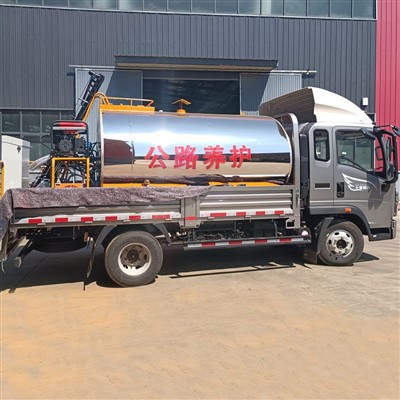
I know I've been going on about lubricant emulsions, but anionic emulsifiers have other cool applications too. For example, they're widely used in the production of Emulsified Asphalt Liquid. Asphalt emulsions are used in road construction and maintenance. Anionic emulsifiers help create a stable mixture of asphalt and water, making it easier to apply the asphalt on roads.


Asphalt Emulsifier is another area where anionic emulsifiers shine. They help in the proper dispersion of asphalt particles in water, which is essential for the quality of the final asphalt product.
And then there's Anionic Bitumen Emulsion. Anionic emulsifiers play a key role in making these emulsions stable and effective for various construction and industrial uses.
If you're in the business of producing lubricant emulsions or any of these other products, and you're looking for a reliable anionic emulsifier supplier, you've come to the right place. I've got a range of anionic emulsifiers that can meet your specific needs. Whether you need an emulsifier with a particular HLB value or one that's compatible with certain oils and additives, I can help you find the perfect fit.
If you're interested in learning more about our anionic emulsifiers or want to start a purchase negotiation, don't hesitate to reach out. I'm here to answer all your questions and help you get the best product for your business.
In conclusion, anionic emulsifiers can definitely be used in the production of lubricant emulsions. They offer many benefits, but you need to be aware of the potential challenges and choose the right emulsifier for your specific application. With the right anionic emulsifier, you can create high - quality, stable lubricant emulsions that will keep your machinery running smoothly.
References
- "Surfactants in Industrial Processes" by John M. Corkill and J. F. Goodman
- "Emulsion Science and Technology" by Paul Becher