Hey there! As a supplier of bitumen emulsifiers, I often get asked whether bitumen emulsifiers can be used in cold mix asphalt. Well, the short answer is yes! But let's dive deeper into this topic to understand why and how it all works.
First off, let's talk a bit about what bitumen emulsifiers are. Bitumen emulsifiers are substances that help mix bitumen, which is a thick, sticky black liquid, with water to form an emulsion. This emulsion makes it easier to handle and apply bitumen, especially in situations where traditional hot - mix asphalt might not be practical.
Cold mix asphalt, on the other hand, is a type of asphalt that can be used at ambient temperatures. It's a great alternative to hot mix asphalt, which requires heating the bitumen to high temperatures. Cold mix asphalt is more convenient, especially for small - scale repairs, rural areas, or in cold weather conditions where heating equipment might not be readily available or efficient.
So, how do bitumen emulsifiers fit into the picture of cold mix asphalt?
Advantages of Using Bitumen Emulsifiers in Cold Mix Asphalt
1. Ease of Handling
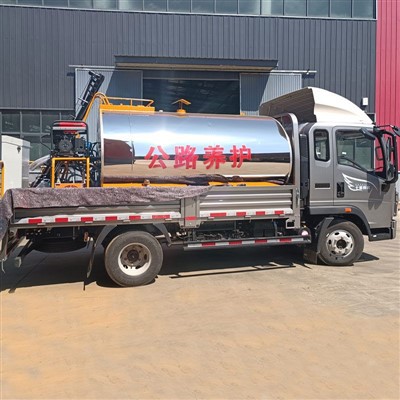
When bitumen is emulsified, it becomes a liquid at normal temperatures. This means that it can be easily mixed with aggregates (like sand, gravel, etc.) to create cold mix asphalt. There's no need for expensive heating equipment to melt the bitumen, which makes the whole process a lot simpler and more cost - effective. For example, a small road repair crew can carry around containers of bitumen emulsion and aggregates in a truck and make cold mix asphalt on - site without the need for a large hot - mix plant.
2. Environmental Benefits
Using bitumen emulsifiers in cold mix asphalt reduces energy consumption. Since there's no need to heat the bitumen to high temperatures, less fuel is burned, which in turn reduces greenhouse gas emissions. This is a big plus in today's environmentally - conscious world. It also means less air pollution from the fumes that are released when bitumen is heated in a hot - mix process.
3. Longer Working Time
Bitumen emulsions in cold mix asphalt have a longer working time compared to hot - mix asphalt. The emulsion breaks down gradually, allowing the asphalt to be worked on for a longer period before it sets. This is really useful for construction crews, as they can take their time to spread and compact the cold mix asphalt properly, especially in large - scale projects.
4. Good Adhesion
Bitumen emulsifiers help the bitumen adhere well to the aggregates in the cold mix asphalt. This results in a stronger and more durable road surface. The emulsifier creates a stable bond between the bitumen and the aggregates, preventing the asphalt from breaking apart easily under traffic loads.
Types of Bitumen Emulsifiers for Cold Mix Asphalt
There are different types of bitumen emulsifiers available, and the choice depends on various factors such as the type of aggregates, the climate, and the specific requirements of the project.
Anionic Bitumen Emulsion
Anionic bitumen emulsions are widely used in cold mix asphalt. They have negatively charged particles. These emulsions are suitable for use with aggregates that have a positive surface charge. You can learn more about Anionic Bitumen Emulsion on our website. Anionic emulsions are often used in general road construction and maintenance projects, as they provide good stability and adhesion.
Cationic Bitumen Emulsion
Cationic bitumen emulsions have positively charged particles. They are ideal for use with aggregates that have a negative surface charge. Cationic emulsions break down faster than anionic emulsions, which can be an advantage in some situations where a quicker setting time is required.
Non - ionic Bitumen Emulsion
Non - ionic bitumen emulsions have no electrical charge. They are less affected by the surface charge of the aggregates and can be used in a wider range of aggregate types. Non - ionic emulsions are often used in special applications where a more versatile emulsifier is needed.
The Process of Making Cold Mix Asphalt with Bitumen Emulsifiers
Making cold mix asphalt with bitumen emulsifiers is a relatively straightforward process.
First, the aggregates are prepared. They need to be clean and dry to ensure good adhesion with the bitumen emulsion. Then, the bitumen emulsion is added to the aggregates in a mixer. The amount of bitumen emulsion added depends on the type of aggregates and the desired properties of the cold mix asphalt.
The mixture is then thoroughly mixed until the bitumen emulsion coats all the aggregates evenly. This can be done using a mechanical mixer or even by hand for small - scale projects. Once the mixing is complete, the cold mix asphalt is ready to be transported to the construction site and laid down.
After laying the cold mix asphalt, it needs to be compacted using a roller or other compaction equipment. This helps to remove any air voids and ensures a smooth and dense surface. Over time, the bitumen emulsion breaks down, and the water evaporates, leaving behind a solid asphalt surface.


Challenges and Considerations
While using bitumen emulsifiers in cold mix asphalt has many advantages, there are also some challenges and considerations.
1. Weather Conditions
Cold mix asphalt made with bitumen emulsifiers is sensitive to weather conditions. Rain can wash away the bitumen emulsion before it has a chance to set, and extremely cold temperatures can slow down the setting process. It's important to choose the right time and weather conditions for working with cold mix asphalt.
2. Storage and Handling of Bitumen Emulsions
Bitumen emulsions need to be stored properly to maintain their stability. They should be kept in sealed containers at the right temperature to prevent them from breaking down prematurely. Also, during handling, care should be taken to avoid contamination, as this can affect the quality of the cold mix asphalt.
3. Quality Control
Ensuring the quality of the cold mix asphalt is crucial. This involves testing the aggregates, the bitumen emulsion, and the final cold mix asphalt. Regular quality control checks should be carried out to make sure that the cold mix asphalt meets the required standards.
Conclusion
In conclusion, bitumen emulsifiers can definitely be used in cold mix asphalt, and they offer many benefits such as ease of handling, environmental advantages, longer working time, and good adhesion. There are different types of bitumen emulsifiers available, each with its own properties and suitable applications.
However, like any construction material, there are challenges and considerations that need to be taken into account. By understanding these factors and following the proper procedures, cold mix asphalt made with bitumen emulsifiers can be a great choice for road construction and maintenance projects.
If you're in the market for high - quality bitumen emulsifiers for your cold mix asphalt projects, we're here to help. We're a reliable supplier of bitumen emulsifiers, and we can provide you with the right product for your specific needs. Whether you need Anionic Bitumen Emulsion, Emulsified Asphalt Liquid, or Asphalt Emulsifier, we've got you covered.
If you have any questions or would like to discuss your requirements further, don't hesitate to reach out. We're happy to have a chat and help you find the best bitumen emulsifier solution for your cold mix asphalt projects. Let's work together to build better roads!
References
- Asphalt Institute. (Year). "Cold Mix Asphalt Technology."
- Bitumen Emulsifier Manufacturers Association. (Year). "Guide to Using Bitumen Emulsifiers in Road Construction."
- Transportation Research Board. (Year). "Best Practices for Cold Mix Asphalt with Bitumen Emulsifiers."