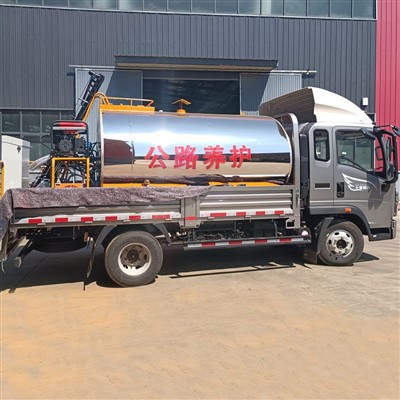
Hey there! As a supplier of Bitumen Melting Equipment, I've seen firsthand how the costs of operating this kind of machinery can really add up. But don't worry! I'm here to share some practical tips on how you can save costs when running bitumen melting equipment.
1. Choose the Right Equipment in the First Place
When you're in the market for bitumen melting equipment, it's super important to pick the right one for your needs. You don't want to go for something that's either too big or too small. If the equipment is too large, you'll end up using more energy than necessary to run it. On the other hand, if it's too small, you might have to run it for longer periods to meet your production requirements, which also burns more energy.
For example, if you have a small - scale project that only requires a limited amount of melted bitumen, an Asphalt Melting Plant that's designed for large - scale industrial use would be overkill. Look for equipment that has a good balance between capacity and energy efficiency. Many modern bitumen melting equipment models come with energy - saving features, such as advanced insulation to reduce heat loss and smart control systems that can adjust the melting process according to the amount of bitumen needed.
2. Optimize the Melting Process
The way you operate the bitumen melting equipment can have a huge impact on costs. First of all, make sure you're using the right temperature settings. Bitumen has a specific melting point, and if you set the equipment to a much higher temperature than necessary, you're just wasting energy. Most bitumen melting equipment allows you to set the temperature precisely, so take advantage of this feature.
Also, try to batch your melting operations. Instead of melting small amounts of bitumen at a time, collect a larger quantity and melt it all at once. This reduces the number of times the equipment has to be heated up from cold, which is one of the most energy - intensive parts of the process. For instance, if you have several small orders that need melted bitumen, hold off on melting until you have enough to fill a reasonable batch in your Bitumen Melting Plant.
3. Regular Maintenance
I can't stress enough how important regular maintenance is for cost - saving. A well - maintained bitumen melting equipment runs more efficiently. Over time, parts of the equipment can wear out, and if not replaced or repaired, they can cause the machine to work harder and use more energy.
Check the heating elements regularly. If they're dirty or damaged, they won't transfer heat as effectively, which means you'll need to use more energy to reach the desired melting temperature. Clean the filters and pipes to ensure proper flow of bitumen. A clogged filter or pipe can cause the equipment to strain, leading to increased energy consumption and potential breakdowns.
Also, lubricate moving parts as recommended by the manufacturer. This reduces friction, which in turn reduces the amount of energy needed to operate the equipment. By investing a little time and money in regular maintenance, you can save a lot in the long run on energy costs and avoid costly repairs.
4. Source Bitumen Wisely
The cost of bitumen itself is a significant part of the overall operating cost. Look for reliable suppliers who offer good quality bitumen at a reasonable price. Don't just go for the cheapest option, though, as low - quality bitumen might require more energy to melt or could cause problems with your equipment.
Try to establish long - term contracts with suppliers. This can often get you a better price per unit of bitumen. You can also keep an eye on the market trends. Bitumen prices can fluctuate, so if you can time your purchases right, you might be able to save some money. For example, if you know that prices are likely to go up in the near future, you can stock up on bitumen when the prices are low.
5. Train Your Staff
Your staff plays a crucial role in cost - saving when it comes to operating bitumen melting equipment. Make sure they're properly trained on how to use the equipment efficiently. They should know how to set the right temperature, batch the melting operations, and perform basic maintenance tasks.


A well - trained operator can identify potential problems early on, which can prevent costly breakdowns. They can also make sure that the equipment is used in the most energy - efficient way possible. Provide regular training sessions to keep your staff updated on the latest best practices for operating the bitumen melting equipment.
6. Energy Management
Take a close look at your energy consumption. If possible, switch to a more cost - effective energy source. For example, if you're currently using electricity to power your bitumen melting equipment and natural gas is available at a lower cost in your area, consider making the switch.
You can also install energy - monitoring devices on your equipment. These devices can track how much energy is being used during different stages of the melting process. By analyzing this data, you can identify areas where energy is being wasted and take steps to correct it. For instance, if you notice that a particular part of the melting process is using an unusually high amount of energy, you can investigate and make adjustments.
7. Recycling and Reusing
Bitumen can often be recycled and reused. If you have any leftover bitumen from previous projects, don't just throw it away. Most bitumen melting equipment can handle recycled bitumen, and melting it down again can save you money on buying new bitumen.
Before recycling, make sure to clean the bitumen properly to remove any impurities. This can improve the quality of the recycled bitumen and ensure that it melts as efficiently as new bitumen. By incorporating a recycling program into your operations, you can significantly reduce your bitumen costs over time.
Conclusion
Saving costs when operating bitumen melting equipment is all about making smart choices. From choosing the right equipment to optimizing the melting process, regular maintenance, wise sourcing of bitumen, staff training, energy management, and recycling, there are many ways to cut down on your expenses.
If you're interested in learning more about our Bitumen Melting Equipment or have any questions about cost - saving strategies, don't hesitate to reach out. We're always here to help you find the best solutions for your bitumen melting needs. Let's work together to make your operations more cost - effective and efficient!
References
- Industry reports on bitumen melting equipment efficiency
- Manufacturer's manuals for bitumen melting equipment
- Studies on energy management in industrial processes