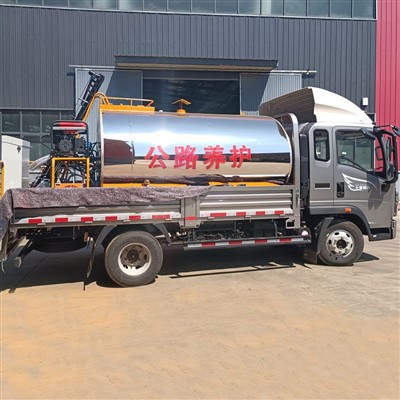
Hey there! I'm a supplier of Asphalt Melting Equipment, and I'm here to chat about the transportation requirements for this kind of equipment. It's super important to get these details right, as improper transportation can lead to all sorts of headaches, like damage to the equipment and delays in getting it to where it needs to be.
Size and Weight Considerations
First off, asphalt melting equipment can be pretty hefty and bulky. The size and weight of the equipment play a huge role in determining the right transportation method. Some of these machines are massive, with large tanks and complex heating systems. For example, a typical Asphalt Melting Plant can weigh several tons and take up a significant amount of space.
When it comes to weight, you've got to make sure that the transportation vehicle can handle the load. Overloading a truck or a trailer can not only damage the vehicle but also pose a serious safety risk on the road. You'll need to work with a transportation company that has experience in moving heavy equipment. They'll have the right trucks, trailers, and lifting gear to get the job done safely.
As for size, you need to consider the dimensions of the equipment in all directions. Some parts of the equipment might be wide or tall, which could require special permits for transportation. For instance, if the equipment is wider than the standard lane width on highways, you'll need to obtain an over-width permit. This process can take some time, so it's important to plan ahead.
Special Handling Requirements
Asphalt melting equipment is delicate in some ways, even though it's big and heavy. The heating elements, for example, need to be protected during transportation. Any damage to these elements can affect the performance of the equipment and lead to costly repairs.
You'll need to use proper padding and securing methods to prevent the equipment from shifting during transit. Straps, chains, and braces are commonly used to keep the equipment in place. The padding can be made of materials like foam or rubber to absorb shocks and vibrations.
Also, some parts of the equipment might be sensitive to moisture. If there's a risk of rain or high humidity during transportation, you'll need to cover the equipment with waterproof tarps. This will protect the electrical components and prevent rusting.
Route Planning
Planning the route for transporting asphalt melting equipment is crucial. You need to consider factors like road conditions, bridge clearances, and traffic patterns. Some roads might not be suitable for heavy vehicles due to their poor condition or low weight limits.
Bridge clearances are another important consideration. If the equipment is tall, you need to make sure that it can pass under bridges safely. You can use mapping tools and transportation databases to check the clearances along the route.
Traffic patterns can also affect the transportation time. It's a good idea to avoid peak traffic hours to reduce the risk of delays. You might also want to consider alternative routes in case of road closures or accidents.
Regulatory Compliance
Transporting asphalt melting equipment involves a lot of regulations. You need to comply with local, state, and federal laws regarding the transportation of heavy equipment. This includes obtaining the necessary permits, following weight and size restrictions, and ensuring that the equipment is properly marked and labeled.
For example, in the United States, the Department of Transportation (DOT) has specific rules for transporting oversized and overweight loads. You'll need to register the load with the DOT and display the appropriate signs on the vehicle. Failure to comply with these regulations can result in fines and legal issues.
Insurance
Insurance is a must when transporting asphalt melting equipment. You need to make sure that the equipment is fully insured against damage, theft, and other risks during transit. The transportation company should have its own insurance policy, but you might also want to consider getting additional coverage for your equipment.
Before signing any transportation contract, make sure you understand the insurance terms and conditions. Find out what is covered and what is excluded. You don't want to be left with a damaged piece of equipment and no way to pay for the repairs.


International Transportation
If you're shipping asphalt melting equipment internationally, the transportation requirements become even more complex. You'll need to deal with customs regulations, import/export taxes, and different transportation standards in each country.
Customs clearance can be a time-consuming process. You'll need to provide detailed documentation about the equipment, including its value, specifications, and origin. You might also need to hire a customs broker to help you navigate the process.
When it comes to international shipping, you can choose between different modes of transportation, such as sea freight or air freight. Sea freight is usually more cost-effective for large and heavy equipment, but it takes longer. Air freight is faster but more expensive.
Working with a Professional Transportation Company
Given all these requirements, it's highly recommended to work with a professional transportation company that specializes in moving heavy equipment. They have the knowledge, experience, and resources to handle all aspects of the transportation process.
A good transportation company will work with you to develop a customized transportation plan based on the specific requirements of your asphalt melting equipment. They'll take care of everything from obtaining permits to arranging the right vehicles and handling the equipment with care.
When choosing a transportation company, look for one with a good reputation. You can check online reviews and ask for references from other equipment suppliers. Make sure they have the necessary licenses and insurance to operate.
Conclusion
Transporting asphalt melting equipment is a complex process that requires careful planning and attention to detail. From size and weight considerations to regulatory compliance and insurance, there are many factors to take into account.
If you're in the market for Asphalt Melting Equipment or Bitumen Melting Plant, don't hesitate to reach out to us. We can not only provide you with high-quality equipment but also help you with the transportation process. We've got the expertise and the network to ensure that your equipment arrives at its destination safely and on time. Contact us today to start the conversation about your asphalt melting equipment needs!
References
- Federal Motor Carrier Safety Administration. (n.d.). Regulations for transporting heavy equipment.
- Department of Transportation. (n.d.). Oversize and overweight load permits.
- Transportation Research Board. (n.d.). Best practices for transporting heavy equipment.