Anionic emulsifiers play a crucial role in the leather industry, offering unique properties that contribute to the production of high - quality leather products. As a leading supplier of anionic emulsifiers, I am well - versed in their applications, advantages, and the specific types used in this industry.


The Role of Anionic Emulsifiers in the Leather Industry
In the leather manufacturing process, emulsifiers are used to disperse and stabilize various substances. Anionic emulsifiers, which carry a negative charge, are particularly useful in creating stable emulsions of oils, fats, and waxes in water. This is essential for several key steps in leather processing, such as fatliquoring, waterproofing, and surface finishing.
Fatliquoring is a critical process in leather production. It involves the introduction of natural or synthetic fats and oils into the leather fibers to improve its softness, flexibility, and durability. Anionic emulsifiers help to evenly distribute these fatliquoring agents throughout the leather matrix. By reducing the surface tension between the fatliquor and the leather, they ensure that the fatliquor penetrates deeply into the fibers, resulting in a more uniform and high - quality finish.
Waterproofing is another area where anionic emulsifiers shine. They can be used to create stable emulsions of waterproofing agents, such as silicone oils or waxes. These emulsions can be applied to the leather surface, forming a protective layer that repels water while still allowing the leather to breathe. This is especially important for leather products that will be exposed to moisture, such as shoes, bags, and outdoor furniture.
Surface finishing is the final step in leather production, where the appearance and feel of the leather are enhanced. Anionic emulsifiers can be used to disperse pigments, dyes, and other finishing agents, ensuring a smooth and even application. They also help to improve the adhesion of these agents to the leather surface, resulting in a more durable and attractive finish.
Types of Anionic Emulsifiers Used in the Leather Industry
Sulfonates
Sulfonates are one of the most commonly used types of anionic emulsifiers in the leather industry. They are derived from the sulfonation of hydrocarbons, such as alkylbenzenes or fatty alcohols. Sulfonates have excellent emulsifying properties and are highly stable in a wide range of pH values. They are particularly effective in emulsifying oils and fats, making them ideal for fatliquoring applications.
One of the advantages of sulfonates is their ability to form stable emulsions at low concentrations. This means that less emulsifier is required to achieve the desired effect, reducing costs and minimizing the environmental impact. Sulfonates are also relatively easy to handle and can be easily incorporated into existing leather processing systems.
Sulfates
Sulfates are another important class of anionic emulsifiers. They are typically derived from the sulfation of fatty alcohols or ethoxylated fatty alcohols. Sulfates have strong emulsifying and wetting properties, making them suitable for a variety of leather processing applications.
In fatliquoring, sulfates can help to improve the penetration of fatliquoring agents into the leather fibers. They also have good dispersing properties, which can help to prevent the formation of clumps or aggregates in the emulsion. In surface finishing, sulfates can be used to disperse pigments and dyes, resulting in a more uniform and vibrant color.
Phosphates
Phosphates are less commonly used than sulfonates and sulfates but still have their place in the leather industry. They are derived from the phosphorylation of alcohols or acids. Phosphates have good emulsifying and dispersing properties, as well as excellent corrosion - inhibiting properties.
In leather processing, phosphates can be used in combination with other emulsifiers to enhance their performance. They can also be used to improve the water - resistance of leather by forming a protective layer on the surface. Additionally, phosphates can help to reduce the yellowing of leather over time, which is a common problem in some types of leather products.
Advantages of Using Anionic Emulsifiers in the Leather Industry
Environmental Friendliness
Anionic emulsifiers are generally considered to be more environmentally friendly than some other types of emulsifiers. They are biodegradable and have a relatively low toxicity, which means that they are less harmful to the environment and human health. This is becoming increasingly important as the leather industry faces growing pressure to reduce its environmental impact.
Cost - Effectiveness
Anionic emulsifiers are often more cost - effective than other types of emulsifiers. They can be used at low concentrations to achieve the desired effect, which reduces the amount of emulsifier required and lowers production costs. Additionally, anionic emulsifiers are widely available and relatively easy to source, which further contributes to their cost - effectiveness.
Compatibility
Anionic emulsifiers are compatible with a wide range of other chemicals and additives used in the leather industry. This means that they can be easily incorporated into existing leather processing systems without causing any compatibility issues. They can also be used in combination with other emulsifiers to enhance their performance, allowing for greater flexibility in formulating leather processing solutions.
Related Products in the Industry
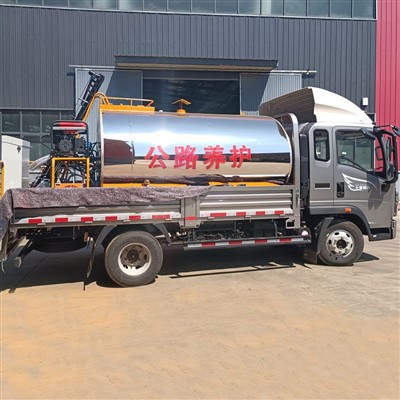
In addition to their use in the leather industry, anionic emulsifiers also have applications in other industries, such as the asphalt industry. For example, Asphalt Emulsifier is an important product that uses emulsifiers to disperse asphalt in water. This creates an Anionic Bitumen Emulsion, which is used in road construction, waterproofing, and other applications. Similarly, Emulsified Asphalt Liquid is another product that relies on the emulsifying properties of anionic emulsifiers.
Conclusion
Anionic emulsifiers are essential components in the leather industry, offering a range of benefits that contribute to the production of high - quality leather products. From fatliquoring to waterproofing and surface finishing, anionic emulsifiers play a vital role in ensuring the quality, durability, and appearance of leather. As a supplier of anionic emulsifiers, I am committed to providing our customers with the highest - quality products and the best possible service.
If you are in the leather industry and are looking for a reliable supplier of anionic emulsifiers, we would love to hear from you. Whether you have questions about our products, need technical support, or are interested in discussing a potential purchase, please feel free to contact us. We are ready to work with you to find the best emulsifier solutions for your specific needs.
References
- "Leather Science and Technology" - A comprehensive textbook on leather processing, which provides detailed information on the use of emulsifiers in the leather industry.
- "Emulsifiers: Principles and Applications" - A scientific publication that covers the fundamental principles of emulsification and the different types of emulsifiers available.
- Industry reports and research papers on the leather and asphalt industries, which provide insights into the latest trends and developments in the use of anionic emulsifiers.