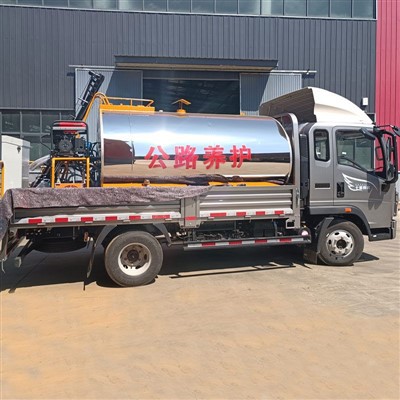
In the realm of concrete pavement construction and maintenance, surface treatments play a pivotal role in enhancing the durability, performance, and longevity of the pavement. Bitumen emulsifiers have emerged as essential components in these surface treatments, offering a range of benefits that contribute to the overall quality of concrete pavements. As a leading supplier of bitumen emulsifiers, I am excited to delve into the significant role these substances play in surface treatments for concrete pavements.
Understanding Bitumen Emulsifiers
Bitumen emulsifiers are chemical agents that facilitate the dispersion of bitumen in water, creating a stable emulsion. This emulsion consists of tiny bitumen droplets suspended in water, which can be easily applied to various surfaces, including concrete pavements. The emulsification process involves breaking down the bitumen into small particles and preventing them from coalescing, ensuring a homogeneous mixture that can be effectively utilized in surface treatments.
There are two main types of bitumen emulsifiers: anionic and cationic. Anionic emulsifiers, such as those available at Anionic Emulsifier, carry a negative charge and are commonly used in applications where a slower-setting emulsion is required. On the other hand, cationic emulsifiers have a positive charge and are often preferred for faster-setting applications.
Role of Bitumen Emulsifiers in Surface Treatments
1. Adhesion Enhancement
One of the primary functions of bitumen emulsifiers in surface treatments for concrete pavements is to improve the adhesion between the bitumen and the concrete surface. Concrete is a porous material, and without proper adhesion, the bitumen layer may not bond effectively, leading to premature failure of the surface treatment. Bitumen emulsifiers help to reduce the surface tension between the bitumen and the concrete, allowing the bitumen to wet the surface more effectively and form a strong bond. This enhanced adhesion ensures that the surface treatment remains intact under traffic loads and environmental conditions, preventing cracking, raveling, and other forms of distress.
2. Waterproofing
Concrete pavements are susceptible to water damage, which can lead to a variety of problems, including freeze-thaw damage, corrosion of reinforcement, and loss of strength. Bitumen emulsifiers can be used to create waterproofing membranes on the surface of concrete pavements. The bitumen in the emulsion fills the pores and voids in the concrete, preventing water from penetrating into the structure. This waterproofing effect helps to protect the concrete from moisture-related damage, extending the service life of the pavement. For example, Emulsified Asphalt Liquid can be applied as a waterproofing layer on concrete pavements, providing an effective barrier against water ingress.
3. Surface Sealing
Surface sealing is an important surface treatment technique used to protect concrete pavements from the ingress of contaminants, such as oil, chemicals, and debris. Bitumen emulsifiers can be used to create a sealant layer on the surface of the pavement, which acts as a barrier against these contaminants. The sealant layer also helps to prevent the oxidation of the bitumen in the pavement, which can lead to hardening and cracking. By maintaining the flexibility and integrity of the bitumen, the surface sealant extends the life of the pavement and reduces the need for costly repairs.
4. Dust Control
In areas where concrete pavements are exposed to high levels of traffic or construction activities, dust can be a significant problem. Bitumen emulsifiers can be used to control dust on concrete pavements by creating a tacky surface that binds the dust particles together. This reduces the amount of dust that is generated and improves air quality in the surrounding area. Additionally, the dust control treatment helps to prevent the loss of fine aggregate from the pavement surface, which can lead to surface deterioration.
5. Skid Resistance Improvement
Skid resistance is an important safety feature of concrete pavements, especially in areas with high traffic volumes or where vehicles are likely to stop or turn suddenly. Bitumen emulsifiers can be used to enhance the skid resistance of concrete pavements by creating a textured surface. The bitumen emulsion can be applied with a fine aggregate or other additives to create a rough surface that provides better traction for vehicles. This improves the safety of the pavement and reduces the risk of accidents, particularly in wet or slippery conditions.
Advantages of Using Bitumen Emulsifiers in Surface Treatments
1. Environmental Friendliness
Bitumen emulsifiers offer several environmental advantages compared to traditional hot bitumen applications. Since bitumen emulsions are water-based, they do not require the high temperatures associated with hot bitumen, which reduces energy consumption and greenhouse gas emissions. Additionally, the use of bitumen emulsions eliminates the need for solvents, which can be harmful to the environment. This makes bitumen emulsifiers a more sustainable option for surface treatments of concrete pavements.


2. Ease of Application
Bitumen emulsions are easy to handle and apply, making them a convenient choice for surface treatments. They can be applied using a variety of methods, including spraying, spreading, and brushing. The low viscosity of bitumen emulsions allows for uniform application, even on irregular surfaces. This ease of application reduces labor costs and installation time, making bitumen emulsifiers a cost-effective solution for concrete pavement surface treatments.
3. Cost-Effectiveness
In addition to the reduced labor and installation costs, bitumen emulsifiers can also offer long-term cost savings. By improving the durability and performance of concrete pavements, surface treatments using bitumen emulsifiers can extend the service life of the pavement, reducing the need for frequent repairs and replacements. This results in significant cost savings over the life of the pavement.
Case Studies and Applications
Numerous case studies have demonstrated the effectiveness of bitumen emulsifiers in surface treatments for concrete pavements. For example, in a major highway project, an Anionic Bitumen Emulsion was used for surface sealing. The emulsion provided excellent adhesion to the concrete surface, effectively sealed the pores, and improved the skid resistance of the pavement. After several years of service, the pavement showed minimal signs of distress, indicating the long-term effectiveness of the treatment.
In another application, a commercial parking lot was treated with an emulsified asphalt liquid to control dust and improve the appearance of the surface. The treatment not only reduced dust emissions but also enhanced the waterproofing properties of the pavement, protecting it from water damage.
Conclusion
Bitumen emulsifiers play a crucial role in surface treatments for concrete pavements. Their ability to enhance adhesion, provide waterproofing, seal the surface, control dust, and improve skid resistance makes them an indispensable component in modern pavement construction and maintenance. As a supplier of high-quality bitumen emulsifiers, we are committed to providing innovative solutions that meet the diverse needs of our customers. Whether you are working on a small-scale parking lot or a large-scale highway project, our bitumen emulsifiers can help you achieve a durable, high-performance concrete pavement.
If you are interested in learning more about our bitumen emulsifiers or would like to discuss your specific requirements, please do not hesitate to contact us. We look forward to the opportunity to work with you and contribute to the success of your next project.
References
- Asphalt Institute. (20XX). “Emulsified Asphalt Handbook.”
- ASTM International. (20XX). “Standard Specifications for Bituminous Emulsions.”
- TRB (Transportation Research Board). (20XX). “Pavement Preservation Manual.”