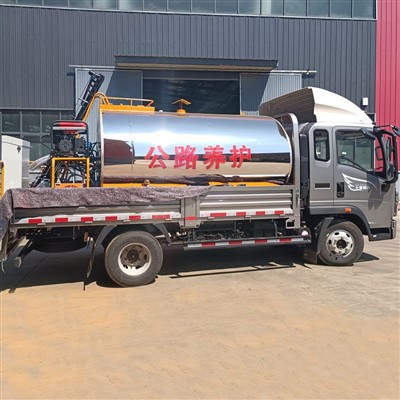
As a reputable supplier of Bitumen Melting Plants, I understand the critical importance of safety when operating such equipment. Bitumen, also known as asphalt, is a viscous and highly flammable substance. When heated in a melting plant, there are numerous potential hazards that need to be carefully managed. In this blog, I will outline the essential safety measures that should be taken when using a Bitumen Melting Plant.
1. Personnel Training
One of the most fundamental safety measures is to ensure that all personnel involved in the operation of the Bitumen Melting Plant are properly trained. Training should cover a wide range of topics, including the basic principles of bitumen melting, the specific operation procedures of the plant, and emergency response protocols.


Operators should be well - versed in how to start, stop, and monitor the plant's operation. They need to understand the correct temperature settings for melting bitumen, as overheating can not only degrade the quality of the bitumen but also pose a significant fire risk. Additionally, training should include the proper use of personal protective equipment (PPE).
PPE is a crucial part of safety in any industrial setting, and bitumen melting plants are no exception. Workers should be provided with and required to wear heat - resistant gloves, protective goggles, fire - retardant clothing, and steel - toed boots. These items protect against burns, eye injuries, and foot injuries that can occur during the handling of hot bitumen.
2. Facility Design and Maintenance
The design of the Bitumen Melting Plant facility plays a vital role in ensuring safety. The plant should be located in an area with adequate ventilation to prevent the accumulation of flammable vapors. A well - ventilated space helps to disperse any fumes that are released during the melting process, reducing the risk of explosion and inhalation hazards.
Proper storage of bitumen is also essential. Bitumen should be stored in tanks that are designed to withstand the high temperatures and pressures associated with the melting process. These tanks should be regularly inspected for signs of corrosion, leaks, or other structural damage. Any issues should be addressed immediately to prevent potential spills or accidents.
The plant's heating system, which is responsible for melting the bitumen, should be carefully maintained. Regular inspections of the heating elements, thermostats, and control systems are necessary to ensure that they are functioning correctly. Faulty heating equipment can lead to uneven heating, overheating, or even fires.
3. Fire Prevention and Control
Fire is one of the most significant risks associated with bitumen melting plants. To prevent fires, the plant should be equipped with fire - prevention measures. This includes installing fire - resistant materials in the construction of the plant, such as fire - rated walls and ceilings.
Automatic fire suppression systems, such as sprinklers or foam suppression systems, should be installed in the plant. These systems can quickly extinguish a fire in the event of an outbreak, minimizing damage and preventing the spread of flames.
In addition to automatic systems, workers should be trained in the use of portable fire extinguishers. Fire extinguishers should be strategically placed throughout the plant, and workers should know how to operate them effectively. Regular fire drills should also be conducted to ensure that all employees are familiar with the emergency evacuation procedures in case of a fire.
4. Electrical Safety
Electrical systems in a Bitumen Melting Plant need to be carefully managed. Electrical equipment can generate heat and sparks, which can ignite flammable bitumen vapors. All electrical components should be properly grounded to prevent electrical shocks and to reduce the risk of fire.
Regular inspections of electrical wiring, switches, and motors are necessary to detect any signs of wear or damage. Faulty electrical equipment should be repaired or replaced immediately. Additionally, workers should be trained to follow proper electrical safety procedures, such as not overloading electrical outlets and avoiding contact with live electrical parts.
5. Emergency Response Planning
Despite all the preventive measures, emergencies can still occur. Therefore, having a comprehensive emergency response plan is essential. The plan should include procedures for dealing with fires, spills, and other accidents.
In the event of a bitumen spill, there should be a protocol for containing the spill and cleaning it up safely. This may involve using absorbent materials to soak up the bitumen and properly disposing of the contaminated materials. Workers should be trained on how to respond to spills quickly and effectively to minimize environmental impact and prevent further hazards.
Emergency contact information for local fire departments, emergency medical services, and other relevant authorities should be prominently displayed in the plant. Regular drills should be conducted to test the effectiveness of the emergency response plan and to ensure that all employees are familiar with their roles and responsibilities during an emergency.
6. Quality Control and Monitoring
Quality control is not only important for the final product but also for safety. Regular testing of the bitumen being melted can help to identify any potential issues. For example, if the bitumen contains impurities, it may require different melting parameters or may pose additional risks during the melting process.
Monitoring systems should be in place to continuously track the temperature, pressure, and other critical parameters of the melting process. These systems can alert operators to any abnormal conditions, allowing them to take corrective action before a safety incident occurs.
7. Use of Advanced Technology
Advancements in technology have provided new ways to enhance safety in bitumen melting plants. For example, some modern plants are equipped with remote monitoring systems that allow operators to monitor the plant's operation from a safe distance. These systems can provide real - time data on temperature, pressure, and other critical parameters, enabling quick response to any issues.
Automated control systems can also improve safety by reducing the need for manual intervention. These systems can precisely control the melting process, ensuring that the bitumen is melted at the correct temperature and pressure, while minimizing the risk of human error.
Conclusion
In conclusion, safety is of utmost importance when using a Bitumen Melting Plant. By implementing comprehensive safety measures, including personnel training, proper facility design and maintenance, fire prevention and control, electrical safety, emergency response planning, quality control, and the use of advanced technology, the risks associated with bitumen melting can be significantly reduced.
If you are in the market for a reliable and safe Bitumen Melting Plant, Asphalt Melting Plant, or Asphalt Fast Melting Machine, we are here to assist you. Our products are designed with safety and efficiency in mind, and we can provide you with the necessary support and training to ensure that your plant operates safely. Contact us to start a procurement discussion and find the best solution for your needs.
References
- National Fire Protection Association (NFPA) standards for industrial heating equipment.
- Occupational Safety and Health Administration (OSHA) guidelines for industrial safety.
- Industry - specific research on bitumen melting processes and safety.