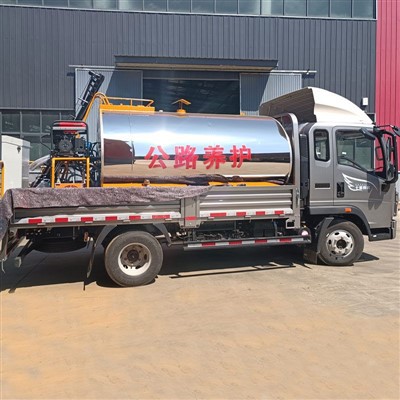
Can asphalt melting equipment be used for different types of asphalt mixtures? This is a question that often comes up in the construction and road - building industries. As a supplier of Asphalt Melting Equipment, I'd like to delve into this topic in detail.
Understanding Different Types of Asphalt Mixtures
Asphalt mixtures are not one - size - fits - all. There are several types, each with its own unique properties and applications.
Hot - Mix Asphalt (HMA)
Hot - Mix Asphalt is the most commonly used type of asphalt mixture. It is produced at high temperatures, typically between 150°C and 190°C. HMA offers excellent durability and is suitable for heavy - traffic roads, highways, and airport runways. The high - temperature production process allows for better coating of aggregates with asphalt binder, resulting in a strong and long - lasting pavement.
Warm - Mix Asphalt (WMA)
Warm - Mix Asphalt is produced at lower temperatures than HMA, usually between 100°C and 140°C. The use of additives or chemical processes enables the production at these reduced temperatures. WMA has environmental benefits as it reduces energy consumption and greenhouse gas emissions during production. It is also more workable at lower temperatures, which can be advantageous in certain construction scenarios, such as cold - weather paving.
Cold - Mix Asphalt
Cold - Mix Asphalt can be produced and applied at ambient temperatures. It is typically used for minor repairs, pothole filling, and low - traffic areas. Cold - mix asphalt uses emulsified asphalt or cut - back asphalt, which are more fluid at lower temperatures. This type of mixture is convenient as it does not require on - site heating, but it may have lower long - term durability compared to HMA.
Capabilities of Asphalt Melting Equipment
Our Asphalt Melting Equipment is designed with advanced technology to handle different types of asphalt mixtures to a large extent.
Temperature Control
One of the key features of our equipment is precise temperature control. For HMA, the equipment can heat the asphalt to the required high temperatures accurately. The heating elements are designed to distribute heat evenly, ensuring that the asphalt reaches the optimal temperature for proper mixing with aggregates. In the case of WMA, the equipment can be adjusted to maintain the lower production temperatures. The temperature sensors and control systems continuously monitor and regulate the heating process, preventing over - heating or under - heating.
Compatibility with Different Asphalt Binders
Different asphalt mixtures use various types of asphalt binders. Our asphalt melting equipment is compatible with a wide range of binders, including penetration - graded asphalt, polymer - modified asphalt, and emulsified asphalt. The design of the melting chamber and the mixing mechanism ensures that the binder is melted and mixed thoroughly, regardless of its type. For example, when using polymer - modified asphalt, the equipment can handle the higher viscosity of the binder and ensure that the polymers are evenly dispersed throughout the mixture.
Adaptability to Different Production Volumes
Whether you are producing a small batch of cold - mix asphalt for a minor repair job or a large quantity of HMA for a major road project, our equipment can be adjusted accordingly. The production capacity can be scaled up or down based on the requirements of the project. This flexibility makes our Asphalt Melting Plant suitable for contractors of all sizes, from small local businesses to large international construction firms.
Limitations and Considerations
While our asphalt melting equipment is highly versatile, there are some limitations and considerations when using it for different types of asphalt mixtures.
Additive Handling
Some asphalt mixtures, especially WMA, require the addition of special additives. Our equipment can be configured to handle the addition of these additives, but it may require some additional setup and calibration. The proper dosage and timing of additive addition are crucial for achieving the desired properties of the mixture. Incorrect handling of additives can lead to inconsistent mixture quality.
Cleaning and Changeover
When switching between different types of asphalt mixtures, it is essential to clean the equipment thoroughly. Residues from one type of mixture can contaminate the next batch, affecting its quality. Our equipment is designed with easy - to - clean features, but the cleaning process still takes time and resources. Additionally, the changeover time between different mixtures should be factored into the production schedule.
Quality Assurance
Regardless of the type of asphalt mixture being produced, quality assurance is of utmost importance. Our equipment is equipped with quality control sensors and monitoring systems. However, operators need to follow strict quality control procedures to ensure that the final product meets the required standards. This includes regular sampling, testing, and adjustment of the production process as needed.


Conclusion
In conclusion, our asphalt melting equipment can be used for different types of asphalt mixtures, including HMA, WMA, and cold - mix asphalt. With its precise temperature control, compatibility with various asphalt binders, and adaptability to different production volumes, it offers a high level of versatility. However, there are limitations and considerations such as additive handling, cleaning, and quality assurance that need to be addressed.
If you are in the market for reliable and versatile Bitumen Melting Plant or asphalt melting equipment, we are here to provide you with the best solutions. Our team of experts can assist you in choosing the right equipment for your specific needs and offer technical support throughout the operation. Contact us to start a conversation about your asphalt production requirements and explore how our equipment can enhance your construction projects.
References
- Kandhal, P. S., & Mallick, R. B. (1998). Hot - Mix Asphalt Materials, Mixture Design, and Construction. NAPA Education Foundation.
- Newcomb, D. E., & Bahia, H. U. (2005). Warm - Mix Asphalt: European Practice. National Asphalt Pavement Association.
- Harvey, J. T., & Tsai, C. F. (1991). Cold - Mix Asphalt: State - of - the - Art. Transportation Research Record.